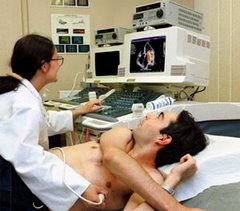
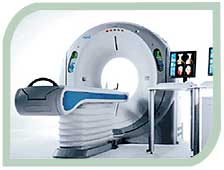
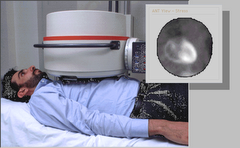
A study focusing on a new non-invasive imaging technology--one that may enable more precise diagnosis of coronary artery disease and treatment tailoring in individual patients--was released by Israeli researchers at SNM's 53rd Annual Meeting June 3-7 in San Diego.
"This work presents a new non-invasive cardiac imaging technology for the assessment of ischemic heart disease--also known as coronary artery or coronary heart disease--caused by the narrowing of heart arteries, which prevents blood and oxygen from reaching the heart muscle," said Zohar Keidar, deputy director of the nuclear medicine department at Rambam HealthCare Campus in Haifa, Israel. "This new modality (or technique) enables--in a single imaging session--accurate evaluation of cardiac blood vessel narrowing and blood supply to the heart muscles," said the co-author of "Assessment of Hemodynamically Significant Coronary Artery Lesions--Initial Experience With an Integrated SPECT/CT Device." He added, "These initial results suggest that this novel non-invasive imaging technology will enable more precise diagnosis of coronary artery disease, thus leading to treatment tailoring in the individual patient who may be directed to either invasive or conservative medical procedures."
Get the whole story.
Thursday, June 08, 2006


Another Clean Bill of Health
Two years ago, a cardiologist in Indianapolis, attempted to scare me into having a quintuple coronary artery bypass graft (CABG). I was referred to him because I was having some rather troublesome angina pains in my chest whenever I walked as little as a few blocks. I had failed my stress test and the cardiologist said I needed a cardiac catheterization to evaluate my problem further. He warned me I might need to have a stent or two put in when he did the cath. Upon returning from the cath lab, I awoke from the twilight sleep given me to find a cardio-thoracic surgeon standing over me, along with my cardiologist.
I was told the cath showed two coronary arteries that were 100% blocked and three that were over 85% blocked. He said, that although my heart was in great shape, my arteries were terrible. I then asked a simple question the cardiologist would not or could not answer, "How can my heart be in such good shape if the arteries whose job it is to supply them with oxygen are almost totally blocked?" He simply said I needed an immediate CABG to save my life.
I sought a second opinion from a noninvasive cardiologist in San Diego named Howard Wayne. He confirmed that my arteries indeed were very bad, but told me the reason my heart was still very healthy was because other vessels, collaterals, had taken over their job and my body was also making new vessels, a process called "angiogenesis." Dr. Wayne began treating me in June 2004. I returned for followup exam a year later. I had not experienced one episode of angina since staring his medication regimen. Today, I returned from my second followup visit to Dr. Wayne. I am still angina-pain-free and his tests of my heart all came out perfectly normal.
Please, if you are told you need Bypass surgery -- Get a second opinion from a noninvasive cardiologist. You will be so glad you did. You can learn more about Dr. Wayne here.
DO YOU REALLY NEED BYPASS SURGERY? A SECOND OPINION
Dr. Wayne's newest book Do You Really Need Bypass Surgery will be available by the end of the summer or early Fall. The price of the book has not yet been determined. Some of the subject material is listed below.
You will learn from Do You Really Need Bypass Surgery:
- That you are a victim of medical terrorism when a doctor threatens that you could have a massive heart attack or die unless you undergo immediate bypass surgery or angioplasty, and that there are no other options for treatment. Are such threats true? Almost never!
- This book will show that the heart attack and death rate after bypass surgery is 5-10 times that of medical treatment with drugs. Bypass surgery, angioplasty and stent insertion do not prevent heart attacks or death but actually cause them.
You will learn:
- That other complications of bypass surgery, such as brain damage and loss of memory and reasoning, occur in over one-third of patients
- That patients undergoing bypass surgery have an accelerated progression of their coronary artery disease.
- That symptom relief after bypass surgery is due to a dozen other reasons that have nothing to do with the bypass procedure.
- That successful treatment of coronary artery disease with medication not only saves lives and prevents future heart attacks, but can be accomplished at a fraction of the cost of surgery and without its side effects.
Learn:
- Why coronary artery disease is no longer the lethal disease it once was but with modern treatment with FDA approved medications has become as benign as mild arthritis.
- Why blockage of a coronary artery may really be an adaptive mechanism on the part of the heart to protect the arterial wall downstream. Removal of that blockage may actually be the wrong thing to do!
- Why a cardiologist trained at the Cleveland Clinic (birthplace of bypass surgery and angiograms) gave up bypass surgery in favor of medical treatment with drugs.
- Why cardiologists continue to recommend bypass surgery even though it is obsolete.
- Why the angiogram is not only the most inaccurate test in cardiology but the most dangerous.
- Why the angiogram should never be used alone to diagnose and treat coronary artery disease.
- Why the number of blocked arteries on an angiogram is irrelevant because the heart creates its own bypasses through angiogenesis and the formation of new blood vessels.
- Why noninvasive imaging tests, at a fraction of the cost of an angiogram, and without its dangers, provide all the information necessary to diagnose and treat coronary artery disease successfully.
This book can not only save your life but the lives of your family, friends and loved ones.
Wednesday, June 07, 2006
Generx shows promise
There is a new product that shows much promise in the quest to prove CABG is not the best treatment for CAD.
Of the major interventions performed for treating severe coronary heart disease in the United States, namely percutaneous coronary intervention (PCI or angioplasty) and coronary artery bypass graft (CABG) surgeries, more than one million procedures are performed annually and more than two-thirds of these are performed on men. While angioplasty and stenting or CABG surgeries can be used to mechanically open or surgically bypass blockages of the large epicardial blood vessels that surround the myocardium, neither angioplasty nor CABG are believed to be capable of also addressing blockages or flow limitations affecting the mid-sized to smaller blood vessels which are located deeper within the heart muscle. These deeper blood vessels, which form the underlying coronary "microcirculation," are directly responsible for conveying oxygenated blood into close proximity with the adjacent heart tissue. In addition, microcirculatory impedance or resistance to flow at the downstream level can contribute substantially to reducing overall blood flow through the myocardium - which may be a contributory cause of ischemia in patients with heart disease. In that regard, many patients continue to experience angina even after surgical and other interventions have been performed to mechanically open or bypass accessible portions of the large upstream blood vessels that initially conduct blood flow into the heart.
Cardiovascular disease is also becoming the number one health problem globally. According to the World Health Organization, by 2020 heart disease and stroke will be the leading causes of death and disability worldwide, with the number of fatalities projected to increase to more than 20 million per year. Additional information regarding heart disease in both men and women can be found in the publications of the American Heart Association, including Heart Disease and Stroke Statistics, and in the reports of the World Health Organization and its affiliates.
About Generx
Generx (alferminogene tadenovec) is the lead development product in a new class of cardiovascular biologics that is being developed to leverage the body's natural healing processes in response to repeated ischemic stress (insufficient blood flow and myocardial oxygen supply due to severe coronary artery disease). The natural biologic response to repeated transient ischemia is angiogenesis, the growth of new collateral blood vessels, which is orchestrated by a complex and incompletely understood cascade involving many myocardial-derived growth factors. These newly-formed vessels can effectively augment blood flow and oxygen delivery to parts of the patient's heart downstream from a blockage in a coronary artery. In many patients however, including those with recurrent angina, coronary collateral vessel formation is insufficient to meet the heart's needs during stress. Currently available anti-anginal drugs, which may provide temporary symptomatic relief, are generally designed to alter the oxygen demand of the heart muscle or dilate vessels to relieve angina without changing the underlying medical condition.
For more information, check out http://www.pharmalive.com/News/index.cfm?articleid=346686&categoryid=40
Bypass Goof Sparks Lawsuit
Another lawsuit has been filed by the family of a patient who died after heart surgery at Mary Washington Hospital.
The suit alleges that Ralph P. Holt died because he received contaminated medicine during bypass surgery last year.
The suit was filed last week in Spotsylvania County Circuit Court and brings to eight the number of suits brought by heart patients and their survivors who believe that bacteria-laden solution caused their injuries and deaths.
The Holt case is similar to a case filed in March by the family of another man who died after heart surgery. It also resembles six other cases filed Monday in Spotsylvania court.
All involve former bypass patients at Mary Washington Hospital. The cases name as defendants Central Admixture Pharmacy Services, or CAPS, the maker of the suspect medicine; B. Braun Medical, its parent company; and MediCorp Health System, parent company of the hospital.
Holt's death was one of three cases that brought about a temporary halt to heart-bypass cases at Mary Washington. Hospital officials suspended heart surgeries in September, blaming a cardioplegia solution purchased from CAPS for a cluster of poor outcomes.
Efforts to reach CAPS representatives for comment yesterday were unsuccessful. In one court document, they blame Mary Washington for the patients' problems, saying the solution was "further prepared" at the hospital.
Hospital officials deny this, saying bacteria were discovered by independent labs in unopened bags of the cardioplegia.
After Mary Washington complained about the solution, the U.S. Food and Drug Administration did inspections and ordered the temporary closure of CAPS' Lanham, Md., plant because of bacterial contamination.
The Holts' court filing also offers a glimpse at the personal side of these cases, how a relatively healthy person can enter the hospital for surgery, only to have it take an unexpected turn.
"Obviously, he was in the hospital for surgery, but he was expecting to have a long and happy life," said Charles A. Gavin, the Richmond attorney representing the Holt family.
Holt was a 75-year-old resident of Fredericksburg, the father of one son and one daughter. He and his wife, the former Dona Grise, were within weeks of celebrating their 54th wedding anniversary.
The Holts met while attending the University of Central Arkansas in Little Rock. After graduation, he entered the Marines and served tours of duty in Okinawa, Korea and Vietnam.
After his retirement in 1981, the couple settled in the Fredericksburg area and purchased The Flower Shop in Fredericksburg. They ran the business together, with Ralph Holt doing much of the book work and deliveries, and Dona Holt specializing in floral arrangements. They sold the business in 2001.
Afterward, the couple enjoyed traveling, something they had done frequently while he was a Marine.
"Ten days prior to his surgery, they were in Colorado," Gavin said.
They also enjoyed golf, playing together three or four times a week. A dream for both was to attend the Masters golf tournament in Augusta, Ga. Each year they tried unsuccessfully to purchase tickets. They were able to get tickets for the 2006 tournament.
Friends describe Holt as a vigorous man who exercised regularly and appeared younger than his years. His widow's lawsuit describes him as "in general good health, fully independent, active and loved by his family."
But he experienced a "spell" at church one day and went for a cardiac catheterization at Mary Washington on Aug. 16. The test revealed a blockage, and his physician recommended coronary artery bypass graft surgery.
Dr. John M. Armitage performed the surgery on Aug. 31.
During the surgery Armitage used a cardioplegia solution manufactured by CAPS in Lanham where the suspect material was made.
Cardioplegia is a mixture of chemical compounds routinely used during open-heart surgery to still the beating heart. It comes in a three-bag set and is administered intravenously throughout the surgery.
Holt never recovered from the bypass surgery. His blood pressure plummeted, and he bled internally. Eventually his kidneys failed. The constellation of symptoms is called systemic inflammatory response syndrome.
Armitage decided to reopen Holt's chest two days later, but his condition worsened throughout the day.
"They couldn't figure out what was going on," Gavin said.
Holt died that evening, Sept. 2.
Friends joined the family for the funeral at Fredericksburg United Methodist Church. Holt was buried at Quantico National Cemetery.
Dona Holt didn't attend the Masters tournament in April, Gavin said, and she has not played golf since her husband's death.
Saturday, June 03, 2006
Study says do not underestimate the pain factor
Prevalence, characteristics, and predictors of chronic nonanginal postoperative pain after a cardiac operation: A cross-sectional study
-
Nonanginal chronic postoperative pain affected 23% of patients.
-
Eighty percent of them had pain 1 or more days per week.
-
The worst and usual pain intensities during the week preceding the survey reached moderate to severe levels (
 4/10) in more than half of the patients.
-
Thirty-one percent of the patients with chronic postoperative pain had taken analgesic pain medication during that week.
-
During the same period, pain interfered significantly (
4/10) with various aspects of patients' daily life (eg, general activity level: 39.1%, sleep: 36.7%).
-
When patients with and without chronic postoperative pain were compared, the former group had significantly higher levels of anxiety and depression, and they perceived their health-related quality of life as more compromised.
-
Multivariate logistic regression analysis revealed that greater analgesic needs in the first few days postoperatively were associated with an increased risk of chronic postoperative pain.
-
The only other significant factor was the time elapsed from surgical intervention to survey: the longer it was, the less likely the patients were to report chronic postoperative pain.
CONCLUSION: The prevalence, severity, and effect of chronic postoperative pain after cardiac surgery should not be underestimated. Longitudinal prospective studies are needed to further evaluate risk factors, including inadequate postoperative pain relief in the acute period.
Friday, June 02, 2006
CABG Makes Many Lose Their Minds, at least for a while
As many as 90 percent of patients who undergoCoronary Artery Bypass Graft Surgery, experience Mild Cognitive Impairment afterwards. This condition, which also is the pre sequellar to Alzheimer's Diseases, persists in as many as 24 percent of them. Allon Therapeutics, Inc. thinks they may be onto a treatment for this side effect of CABG surgery.
Allon Therapeutics Inc. (TSX:NPC), The Neuro Protection CompanyTM, today announced that patient enrolment has begun for a Phase II human clinical trial evaluating the Company's product AL-208 as a treatment for the mild cognitive impairment (MCI) that commonly occurs following coronary artery bypass graft (CABG) surgery.
Gordon McCauley, President and CEO of Allon, said the Phase II trial will evaluate the safety and effectiveness of AL-208 at preventing or reducing MCI in CABG surgery patients aged 65 to 79. Preventing or reducing MCI post-CABG has a potential market estimated at US$500-million for which there is no available treatment today.
"This clinical trial is particularly significant for Allon because it is the first trial that will evaluate the effectiveness of one of our drugs in patients," McCauley said. "We believe this will be the first of several human clinical trials starting in the next year to evaluate the effectiveness of our drugs in different neurodegenerative diseases and conditions."
The initial portion of the study in which all patients receive AL-208 will be open-label to confirm safety, followed by a randomized placebo-controlled portion. In total, approximately 200 patients will be treated with AL-208 (or placebo) during surgery. The patients will be assessed using standard cognitive tests, administered several weeks after surgery, to determine the impact on cognitive function of patients treated with AL-208 versus patients in the control group. The trial will be conducted in approximately 20 hospitals in the US and Canada.
The Company expects results of the Phase II trial will be released during the second half of 2007.
Allon's compounds have been shown to be effective in preventing and repairing brain cells from disease or injury in 14 different pre-clinical animal models of eight central nervous system conditions. In some acute animal models, a single administration of AL-208 has provided 30 days of neuroprotection and maintenance of cognitive function after a single administration.
About MCI-post CABG
Mild cognitive impairment is a common result after coronary artery bypass graft surgery (CABG - commonly known as "bypass surgery").
Some studies estimate that cognitive impairment occurs in 90% of cases in the first week post-surgery, that more than 50% of patients show impairment when discharged from the hospital, and that 24% continue to show impairment after six months.
Approximately 500,000 patients in the United States and 800,000 patients worldwide undergo coronary artery bypass graft surgery every year. Currently there is no therapy available that ameliorates or treats the cognitive damage associated with artery bypass surgery.
About Allon
Allon Therapeutics Inc. is a Canadian biotechnology company developing drugs that protect against neurodegenerative conditions such as Alzheimer's disease, mild cognitive impairment, stroke, traumatic brain injury, multiple sclerosis and neuropathy. The Company is listed on the Toronto Stock Exchange under the trading symbol "NPC" (Neuro Protection Company) and based in Vancouver.
Tuesday, May 30, 2006
Cardiologists Lose License, should be in Prison
This story is from the Redding, CA Record Searchlight
by Ryan Sabalow
After almost four years of investigation, the state medical board moved Tuesday to revoke or suspend the license of a Redding doctor accused of having performed hundreds of unnecessary heart procedures.
by Ryan Sabalow
After almost four years of investigation, the state medical board moved Tuesday to revoke or suspend the license of a Redding doctor accused of having performed hundreds of unnecessary heart procedures.
In an accusation filed with California Attorney General Bill Lockyer, Dr. Fidel Realyvasquez Jr. is charged by the Medical Board of California with gross negligence stemming from bypass surgeries he performed on three patients in 2001 and 2002.
According to the accusation, Realyvasquez, the chief cardiac surgeon at what was then Redding Medical Center, operated on the patients -- ages 58, 52 and 76 -- without cause, based solely on diagnoses made by cardiology chief Dr. Chae Hyun Moon.
Moon, who also is under investigation by the state medical board, voluntarily agreed to stop practicing medicine in July 2003.
Moon, 58, is charged by the medical board with dozens of counts of gross negligence, incompetence, dishonesty and corruption, filing false or fraudulent claims, failure to maintain adequate records, and repeated negligent acts.
That investigation is ongoing.
Tuesday's accusation is that Realyvasquez, 57, performed the three coronary bypasses without verifying Moon's diagnoses.
The medical board's accusation reports each of the three surgeries in detail, using words like "failed to," "unnecessary" and "erroneous" to describe Moon's diagnoses and the following surgeries by Realyvasquez.
The accusations identified the patients by initials to protect their privacy.
In the case of the of the 58-year-old patient, identified as "E.G.," Realyvasquez performed a triple bypass coronary graft without checking to see that the patient could have been helped by a less invasive procedure, according to the filing.
In the second case, Moon told a 52-year-old woman in March 2002 she needed a coronary artery bypass graft surgery, the filing says. Moon suggested that if she didn't get one, "her grandchildren might find her dead," according to the accusation.
The accusation calls Moon's diagnosis of heart angiography a "misinterpretation" and says the patient had only "minor, if any, coronary artery disease."
In his examination of the patient, "Dr. Realyvasquez simply restated Dr. Moon's findings ... and obtained the patient's consent for the surgery," according the accusation.
The most serious allegation stems from the 76-year-old woman's surgery.
The accusation says she "suffered a major embolic stroke, from which she has not yet fully recovered" because of a four-vessel bypass Realyvasquez performed based on Moon's diagnosis.
Realyvasquez's Sacramento attorney, Malcolm Segal, said the medical board's claims are unfounded because his client simply was going off of test results given to him by another physician -- something every surgeon does.
"What (the accusation) seems to be saying is that no physician can rely upon any test report prepared by another physician on the case," Segal said. "I question then, does that mean that a surgeon has to repeat and personally do all the blood tests, repeat and personally do all the X-rays, repeat and redo every other test, even when, by training, that's not his responsibility?"
Saying that he had not seen the medical board's accusations, Moon's attorney, Matthew Jacobs of Sacramento, declined to comment on the allegations against Realyvasquez or Segal's statements.
Redding attorney Russell Reiner, who represents 345 patients who sued the doctors in civil court, said the final decision lies with the person holding the scalpel.
"It's the surgeon's ultimate responsibility to determine whether a person proceeds to surgery," Reiner said. "Realyvasquez failed in his responsibility."
Reiner said the medical board's accusation is "long overdue."
The complaint urges that Realyvasquez's license be revoked or suspended, and that he be forced to pay the costs of the investigation, future enforcement and probation.
Tuesday's filing is the latest chapter of the Redding Medical Center saga, which began in October 2002, when federal agents raided the hospital after tips from whistle-blowers.
Federal officials have been hashing out a settlement in that case since Nov. 15, when Moon and Realyvasquez came to a "global settlement" and agreed to pay prosecutors $1.4 million each.
A spokeswoman for the U.S. attorney's office in Sacramento said prosecutors have until June 2 to finalize that deal.
The settlement ended three years of criminal investigation.
No criminal charges were filed, and none of the doctors has admitted guilt.
In February, Realyvasquez and two other surgeons, Kent Brusett and Ricardo Javier Moreno-Cabral, were ordered to begin paying a $21 million civil settlement to 760 patients.
Moon and other cardiologists settled separate civil suits for $24 million nearly a year earlier.
Both doctors still live in Redding, their attorneys said.
Segal said his client has been "working on other matters related to medicine, including research."
Reporter Ryan Sabalow can be reached at 225-8344 or at rsabalow@redding.com.
Thursday, May 25, 2006
CABG - Legal Assault with a Deadly Weapon.
If a patient is told by a cardiologist that his or her heart is in "GREAT SHAPE," but he or she needs a CABG or he could drop dead at any time, and the doctor hands the patient a pen with which to sign the permission to perform the surgery, he should be arrested and charged with conspiracy to commit assault. If this patient, with the heart in "GREAT SHAPE," indeed has the surgery, the cardio-thoracic surgeon and all of his assistants, including the cardiologist who referred the patient should be arrested for assault with a deadly weapon. And if, this patient whose heart was in "GREAT SHAPE" before the surgery happens to die on the table or of later complications, that entire group of conspirators should be charged with murder.
Two years ago, after seeking a second opinion from a noninvasive cardiologist, I opted for treatment with medication for my unstable angina instead of a quintuple bypass. Ten days ago, my friend underwent a triple CABG and he is miserable. He is afraid to go to sleep at night for fear that he won't wake up. He is not allowed to lift anything heavier than his shoes for several months. He can't walk more than 1/2 hour a day for 3 months. He feels like his guts are going to fall out.
Granted, a year from today, if he is lucky, he'll say to me, "I feel great, I am so glad I had that surgery last May." But I am equally convinced I'll be able to say, "I've felt great for three years and didn't have the CABG." He may then say, but you must take all kinds of medicine every day for the rest of your life." And my response shall be, "Well, don't you as well."
Before you let a cardiologist talk you into this major surgery that you probably don't need, please, get a second opinion from a noninvasive cardiologist. If your current heart doctor says, "Oh, you are a walking time bomb, you haven't time for that," or "Dr. Cutter is a cardio-thoracic surgeon, he's your second opinion," RUN, don't walk to a noninvasive cardiologist because chances are those other two guys are lying to you.
Wednesday, May 17, 2006
Some Disturbing Facts
The fact that most patients with Coronary Artery Disease (CAD) can be safely and medically treated instead of with invasive and surgical solutions such as angioplasty and Coronary Bypass Arterial Grafts (CABG) has been known for over ten years. C. Pepini, writing in the Journal of Myocardial Ischemia in 1995 said this in his paper titled "Management of Myocardial Ischemia: A Time to Re-evaluate." In 1997, in their paper Evidence-Based Coronary Care," in a 1997 Annals of Internal Medicine , Braunwald and Antman reaffirmed Pepini's findings.
My own noninvasive cardiologist, Howard Wayne, MD (www.heartprotect.com) says in more than 22 years of treating his CAD patients with medication, only 11 of them had to have a CABG because they stopped responding to his medical regimen. During the same period, mortality in his patients from CAD and incidences of heart attacks has been less than one percent a year.
Finally, Dr. Thomas Preston, MD, a Professor of Medicine at the University of Washington School of Medicine and Chief of Cardiology at Pacific Medical Center in Seattle, said, "CABG is overused, frequently ineffective, and absurdly expensive. It is the epitome of modern medical technology, yet, as it is now practiced, its net effect on the nation's health is probably negative." Strong words from a cardiologist, but no stronger than those Howard Wayne has been saying for years.
In his editorial, "Marketing an Operation," Preston states the following:
These are the words of a respected Professor of Medicine and a chief of Cardiology for a major medical center. They are the words of a noted noninvasive cardiologist who has been treating CAD patients primarily with medication for over 22 years. There has been reams of papers published in medical journals for more than a decade that expose the Coronary Artery Bypass Graft as unnecessary, expensive and dangerous. They stop your heart when they perform this surgery for crying out loud. Listen to the wisdom of a few upstanding cardiologists who are desperately trying to stop the gross over-prescribing of CABGs.
Why do cardiologists insist on performing this surgery instead of treating their CAD patients? There can only be two answers to this question. They either do not know any better or it is a matter of they put their own financial well-being ahead of the health of their patients.
This message is being sent out in emails and placed on message boards and forums around the Internet. Administrators of these sights have a choice. They can continue deleting these posts and demonstrate they are part of the problem, or they can prominently display and promote this discussion. Let's see what side of the issue they are really on.
My own noninvasive cardiologist, Howard Wayne, MD (www.heartprotect.com) says in more than 22 years of treating his CAD patients with medication, only 11 of them had to have a CABG because they stopped responding to his medical regimen. During the same period, mortality in his patients from CAD and incidences of heart attacks has been less than one percent a year.
Finally, Dr. Thomas Preston, MD, a Professor of Medicine at the University of Washington School of Medicine and Chief of Cardiology at Pacific Medical Center in Seattle, said, "CABG is overused, frequently ineffective, and absurdly expensive. It is the epitome of modern medical technology, yet, as it is now practiced, its net effect on the nation's health is probably negative." Strong words from a cardiologist, but no stronger than those Howard Wayne has been saying for years.
In his editorial, "Marketing an Operation," Preston states the following:
- CABG consumes more medical money than any other treatment of procedure.
- Although performed less frequently than most common abdominal and gynecological operations, it is the leader in terms of equipment and personnel, hospital space, and assorted resources.
- CABG does not cure CAD, is scandalously overused, and its high costs drains resources from other areas of need.
- Fully half (Wayne says 95%) of the CABGs done in the United States are unnecessary surgeries that do not save lives or even prevent heart attacks.
- Among sufferers of CAD, those treated without surgery enjoy the same survival rate as those who do.
These are the words of a respected Professor of Medicine and a chief of Cardiology for a major medical center. They are the words of a noted noninvasive cardiologist who has been treating CAD patients primarily with medication for over 22 years. There has been reams of papers published in medical journals for more than a decade that expose the Coronary Artery Bypass Graft as unnecessary, expensive and dangerous. They stop your heart when they perform this surgery for crying out loud. Listen to the wisdom of a few upstanding cardiologists who are desperately trying to stop the gross over-prescribing of CABGs.
Why do cardiologists insist on performing this surgery instead of treating their CAD patients? There can only be two answers to this question. They either do not know any better or it is a matter of they put their own financial well-being ahead of the health of their patients.
This message is being sent out in emails and placed on message boards and forums around the Internet. Administrators of these sights have a choice. They can continue deleting these posts and demonstrate they are part of the problem, or they can prominently display and promote this discussion. Let's see what side of the issue they are really on.
Thursday, May 11, 2006
It is high time for an update
Hey, Dr. Corey, I'm still alive and kicking. In fact, two years after refusing to have my chest cracked open by a cardio-thoracic surgeon at Indiana Heart Hospital, I am feeling better than ever! This despite the scare tactics you and he used to try to get me on the operating room table. It turns out I was not the walking time bomb you said I was.
In fact, I am alive and well, working on an offshore drilling rig in Nigeria, West Africa. I am sitting on that rig this very moment, typing this post to the blog that I have not posted on in nearly a year. I just got off the phone with my lovely wife, Rebecca (YES! I've gotten married since my last post! -- and she's 16 years younger than I) and she gave me the sad news that a friend of ours is trying to be talked into a triple cardiac artery bypass graft.
It seems our friend has symptoms that are similar to mine and a story that practically mirrors mine. He has angina. His doctors tell him that his coronary arteries are badly blocked -- but his heart is in good shape. Well people!! If the heart is in great shape, it must be getting oxygen, that's what keeps the heart in great shape! If the oxygen isn't getting through the clogged coronary arteries, it must be bypassing them in some way, right?
The body is a miraculous entity. It has the capability to heal itself. When arteries get blocked, the ingenious body builds natural bypasses to replace the clogged ones. There is a doctor in San Diego named Howard Wayne. He taught me this fact and has been treating me for two years with medication. MEDICATION!!! Not surgery. I didn't get cut open. I didn't have my heart stopped, I didn't have a long post-op recovery period and an even longer period of physical therapy AND, I didn't put a lot of money in my surgeon's pocket!
Dr. Wayne is a board certified cardiologist, among other certifications he can boast. He is not a quack. He costs about 10 percent what bypass surgery charges insurance companies. He is not trying to pay for his Mercedes Benz 500 or the new olympic swimming pool in his backyard. He is trying to show the 80,000 Americans doctors scare into bypass surgery every year that for most of them, not only is the surgery unnecessary, it reduces your life expectancy! You could do nothing at allfor your angina and still live longer than many bypass victims.
Yes, I wrote "VICTIMS." Most patients who undergo bypass surgery are victims of scare tactics made by cardiologists who either do not know what they are talking about, or worse, are purposely misleading their patients to get them to have unnecessary but very expensive surgery.
I am going to call my friend this afternoon at 3 pm Nigeria time (10 am Indianapolis time) and ask him to please read my blog. I'll ask him to go to the archives and start at the beginning. I also want to encourage him to call Dr. Wayne in San Diego. I have an appointment on June 6 to see him for my second annual check up.
Wake up America! Your cardiologist is more interested in his financial well being than your health.
Wednesday, September 07, 2005
So Long Gilligan
Bob Denver died this week. The 70-year old comedic actor was best known for his portrayal of Gilligan of Gilligan's Island. He succumbed to complications from a coronary artery bypass surgeons convinced him he needed. One has to wonder if, like Bill Clinton, he did not receieve a second opinion from a noninvasive cardiologist. You only hear about the failures of bypass surgery when someone famous passes that has undergone one. But there are thousands of bypasses performed unnecessarily year after year to keep big hospital corporations solvent and highly paid surgeons able to buy a brand new Mercedes Benz every year.
It has been nearly two years since my cardiologist attempted to coerce me into getting a quintuple coronary artery bypass. I began being treated with medication on June 6, 2004 and I feel great. And I don't have a nasty scar on my chest where the surgeons cracked it open. Already I have lived longer than the doctors at the Indiana Heart Hospital thought I would and I am going strong.
I have been working as a safety advisor on an offshore drilling rig in Nigeria, West Africa since April. I feel strong and vital and my stamina is that of a man ten years younger than I am. If I had the surgery, chances are I would still be experiencing post operative pains and complications and wouldn't feel half as good as I do now.
In November, Rebecca and I are going on a five night vacation to the City of Lights, Paris, France. I fully intend to take advantage of the romantic atmosphere and environment and enjoy myself with the woman I love.
If doctors tell you or a friend you need a bypass, politely tell them you want to obtain a second opinion froma noninvasive cardiologist. Try medication before getting your chest cracked open unnecessarily.
Friday, June 03, 2005
I Am Getting Better!!
Rebecca and I journeyed to San Diego on May 28 and returned on June 1. It was my annual pilgrimage to Dr. Howard Wayne's Noninvasive Heart Clinic. My appointment was on May 31 and we enjoyed and appreciated the hospitality and fellowship of friends who live in that beautiful city. In fact, they kindly loaned us a car while we were there.
Enough about the non-medical stuff -- Let's get to the reason for this post:
I have spent the past year taking medication twice a day for a problem cardiologists in Indiana insisted must be corrected with a Quintuple Coronary Artery Bypass Graft. I was warned that unless I had the surgery immediately, I faced the probability of having a heart attack within three months or less.
Well, I am still standing! I fact, according to Dr. Wayne, my heart is in better shape today than it was when he saw me exactly a year ago. The walls of my left atriumthat were slightly enlarged have decreased in size. My ejection fraction has gone from 65 to 72.
And I haven't experienced angina symptoms since I began his regimen, so he has removed Unstable Angina from my list of diagnoses.
But by far the best news I have to report, is I started working again. That's right, after almost two years on Social Security Disability, I felt good enough to work and was offered employment.
I began working as a Safety Advisor to ExxonMobil on the drilling rig Scarabeo 7, working off the coast of Nigeria, West Africa. I spent 43 days on the rig recently, my first hitch offshore since 1998.
Dr. Wayne was opposed to the job at first, since I would be so isolated from a decent medical facility. But everything went well and he has certified me "fit for duty."
I return to Nigeria on July 4.
Remember: IF YOUR DOCTOR INSISTS YOU NEED CORONARY BYPASS SURGERY -- GET A SECOND OPINION FROM A NONINNTERVENTIONALIST CARDIOLOGIST.
Wednesday, March 23, 2005
California Here I Come
Well, this June will mark a year of treating my coronary artery disease and hypertension with Dr. Wayne's medical regimen. I am so grateful I decided to get a second opinion when in May of 2004, I was told by a cardiologist and cardiothoracic surgeon at Indiana Heart Hospital that I needed an immediate quintuple coronary artery bypass graft (CABG). Instead of getting my chest cracked open and the trauma of dangerous, potentially life-taking major surgery and spending months in rehab trying to recover from unnecessary surgery, I have had a productive, active and satisfactory life.
My blood pressure runs between 88/56 and 100/62 while at rest. Side effects from this lower than normal BP are few and very transient. I have experienced exactly one episode of angina that lasted approximately ten minutes and stopped about five minutes after I began resting during a brisk walk in cold weather. I have had absolutely no shortness of breath or other symptoms since before June 6 2004.
I am returning to San Diego on June 29 for a follow-up appointent with Dr. Wayne. I am looking forward to seeing this man who literally let me live the good life.
Wednesday, February 23, 2005
Life is Beautiful
Well, its only a week until the end of February. It has been a fairly comfortable winter, with only a few snowy days and nights and not all that much cold weather. I am anxiously awaiting the spring though. I look forward to planting some gardens and basically getting outside more than I am now.
I need to get my activity up. My slothfullness of winter has caused me to develop an extra layer of fat, like a bear puts on before going into hibernation. My health is fairly good, although my back and neck are in constant pain, probably from some degenerative joint disease that I've had at least since I retired from the Army in 1988. My heart keeps on ticking and my blood pressure is maintained at an average of around 90/54 by the medications Dr. Wayne put me on last June.
Speaking of Dr. Wayne: In mid June, I shall be journeying back to San Diego on the second of what I hope are decades of annual visits to see the amazing noninterventionalist cardiologist. If you do not know about Dr. Wayne, please go to the first message on gthis blog and read up on what the man has done for me.
Wednesday, February 09, 2005
We're Still Kicking
Belated New Year greetings! I have been so busy writing and enjoying life that I completely failed to post a new years greeting. Well, since the Chinese Lunar New Year just passed, let this one be in honor of that holiday.
I remain healthy, although I did gaain too much weight since the onset of winter. My blood pressure continues to fluctuate between a systolic of 90 - 100 and a diastolic of 48 - 60. I feel good and am completely free of angina.
I managed to sell a piece I wrote about gambling to a local weekly tabloid here in Indianapolis, Nuvo, although I am not sure when it will be published. I also am writing and will offer for sale, an article I recently wrote about psychics. My book, The Ghosts of November, may have a new publisher, I will let you know when and if it happens.
I also will try to be a better poster this year, but wcan make no promises. Well, take care for now and remember -- ALWAYS GET A SECOND OPINION BEFORE YOU LET THEM CRACK YOUR CHEST!
Wednesday, December 15, 2004
Year is almost over
In 15 days we will end 2004 and start a new year. This has been an interesting year for me, one of health problems that required major decisions. I was told in April that I needed a quintuple coronary artery bypass. This information was presented to me in such a way that I was led to believe I would never see 2005 unless I let a cardiothoracic surgeon crack my chest. Well, I opted for a second opinion, decided to be treated with medication rather than surgical intervention and am I ever glad I did.
I began my medical regimen In June. Now, half a year later, I can honestly say I have not had any symptoms I recognized as the angina that caused me to seek medical help in the first place. I take 22 pills a day, including medication for my Parkinson's Disease and I feel wonderful. Rebecca, the lady in my life and I are in the process of writing a book and all is right with the world.
The reason I am posting this message is to urge anyone who has been told he or she requires heart surgery to get at least a second and maybe a third opinion. And have a great Christmas and a prosperous and healthy new year.
Saturday, October 30, 2004
Good Saturday Morning
Good morning from the heartland of America. My blood pressure continues to register around 90/50 almost every day and I am completely without angina pain, shortness of breath or any other symptoms of cardiac problems or hypertension. I continue to take my medication as ordered and feel great. I have lost approximately 15 pounds since the summer and continue to eat right and exercise moderately. Except for some morning bach aches, knee pain and occasional neck pain from arthritis and degenerative joint disease every person my age begins suffering, I am in excellent health. I will post my blood pressure and pulse readings from October 7 in a day or two.
If anyone who comes across this blog has any questions or comments, feel free to make them. Have a safe Halloween and don't forget to vote Tuesday.
Thursday, October 07, 2004
BP Report 9/7/04 thru 10/7/04
(This is a copy of my BP Report sent to Dr. Wayne today.
My BP Report for 9/7/04 thru 10/7/04 follows:
Date Time BP Pulse
9/07 2100 90/47 60
9/08 2045 105/60 62
9/09 2300 80/46 58
9/10 1100 94/48 66
9/11 2000 102/52 66
9/12 2000 94/54 60
9/13 2015 122/70 62
9/14 2100 96/56 64
9/15 2115 96/56 62
9/16 2000 104/56 86
9/17 1900 104/56 70
9/18 2145 96/54 58
9/19 2130 100/56 60
9/20 2100 102/58 74
9/21 2130 90/50 70
9/22 2145 100/54 66
9/23 2045 104/60 56
9/24 2100 106/56 58
9/25 2045 100/56 64
9/26 2000 104/58 70
9/27 2100 100/60 62
9/28 2000 104/56 72
9/29 2030 94/52 62
9/30 2045 112/68 68
10/1 2045 104/56 66
10/2 1900 104/54 70
10/3 1945 104/56 70
10/4 2045 104/58 64
10/5 1945 94/56 60
10/6 2100 104/54 70
10/7 1230 94/50 68
The lightheadedness his been gone for about a week now. I have noticed my BP is slightly higher than it had been running and I have had a couple of minor occassions of a small amount of chest tightness, not associated with exertion. It may be due to the change in the weather, I do not feel bad at all. When my BP was really low and I was getting a lot of lightheadedness, we cut the monpril from 20mg to 10mg. Should I go back up to 20mg and see what happens?
Sunday, October 03, 2004
October Update
Well, at least one reader left a reply to a couple of posts since I began this Blog, so perhaps my story is being read by people who have been told they need coronary bypass surgery and probably really do not. I continue to do well on my medication regimen, however, in the past couple of weeks I have noticed a slight rise in my blood pressure readings throughout the day. Before, I was averaging around 90/50 or slightly lower. Recently, they have been around 100 over 56, not a very perceptible difference, however, I have noticed some occasions of what I would describe as "chest discomfort a couple of times this week. Of course, most chest symptoms people experience are not related to the heart, so I am not really worried about them, especially sense my heart rate continues to be strong and normal.
I also will admit to increased symptoms of arthritic pain, especially in my back and neck, where I have DJD and my knees and shoulder as well. Frankly, I attribute these aches and pains to the changes in the weather the fall brings. This morning, as I type this entry, it is 37 degrees in Brownsburg, Indiana. I already take two aspirin four times a day so I will not take any other pain medication to ease the pain. However, I have become more liberal in the application of analgesic balm. Oh well, I guess I'll send Dr. Wayne an update email tomorrow and see what he says about the blood pressure readings. Until next time,hang in there and enjoy life.
Tuesday, September 21, 2004
Returned to My Indiana Cardiologist
Well, I had an appointment with my cardiologist's Physician Assistant this morning and was she ever surprised. Remember, this is the Indiana cardiologist who thought I needed a bypass operation when he last saw me in May.
Now I have been on my medication regimen since June 6, have lost almost 10 pounds,, feel great and look well, too. She was shocked at my low blood pressure (80/50) and took it twice. She was surprised to find my BP rarely goes above 90/50 any more and that my lightheadedness is pretty much gone. She gave me a cursory physical exam, listened to my lungs, heart and abdomen with her stethoscope, asked several questions and then declared that since Dr. Wayne is going to see me once a year, Dr. Cory can do the same. My next appointment is Sept. 26, 2005.
Saturday, September 18, 2004
Why we are here...
Well, everyone has to be someplace, every minute of the day. Since wordworks2001 was banned from HealthBoards.com for speaking his mind, I decided to move many of my posts from that site to this blog. Unfortunately, I was unable to replicate my original posting to HealthBoard, which was titled "My Experience with Cardiologists." At the time of my banning, the thread which began in May 2004, had more than 3150 views, by far the most hits of any thread on the board. I have decided to move my comments about heart disease, hypertension and the lot to Blogspot, where freedom of speech reigns for all, including anyone who would care to reply or comment.
Although I began this blog today, I have back-dated my blood pressure readings to the dates I emailed the reports to my cardiologist. I think many of you with a traditional view of the treatment of hypertension will be surprised.
Medicate First!!
The American Heart Association and the American College of Cardiologists both state that this condition should be treated with medication FIRST. Why go to the big guns from the get go? I responded very well to meds and my blockages were very very severe (85-100%). And most cardo-thoracic surgeons and invasive cardiologists totally ignore the fact that in people in their 50s, revascularization through angiogenesis picks up the slack left by the coronary vessels that have been compromised. In fact, a CABG usually damages most of the revascularization the body has instituted to heal itself. Why do they do that? Well there's one simple answer, CABGs are much more lucrative than treating this disease with medications.
I have come to believe that if a cardiac physician tells you that you need surgery immediately and you are a walking time bomb waiting to explode or the longer you delay the worse its going to get, you should run, not walk to the nearest board certified noninterventionalist cardiologist and obtain a second opinion. I had been scared into believing the 100% blockages in two of my coronary arteries and 85-90% blockages in the third and other major vessels around my heart meant I would have a heart attack and die at any minute if I didn't have the surgery. Yet, I was told my heart was in good shape. Now what kind of idiot did that interventionalist cardiologist and his cardio-thoracic surgeon buddy think I was? The pipes supplying oxygen to my heart are clogged yet my heart's in good shape? That does not make any sense at all. They didn't tell me about revascularization as the reason my heart was in great shape. Why? because if they did, they knew I would seek another opinion and quite possibly find out my angina was due to hypertension undert physical exertion and they would not get to perform their very expensive lifesaving surgery. As it was, that's exactly what happened. But not because these doctors were ethical and saw that I the patient was fully informed. Oh no, I had to have surgery postponed because the surgeon was not in network with my insurance. Had he been, I would have been one more unnessecary coronary bypass performed in 2004.
Nine Heart Risk Factors
Nine Heart Risk Factors
------------------------------------------------------------------------
A doctor named Salim Yusuf says there are nine risk factors that account for 90% of all heart attacks. And, we can do something about most of them.
The risk factors include:
* Smoking
* Abnormal cholesterol
* Diabetes
* High blood pressure
* Stress
* Abdominal obesity
* Sedentary lifestyle
* Eating too few fruits and vegetables
* Abstaining from alcohol
A report on CBS News.com's WebMD, says the factors are "equal-opportunity killers," all races, sexes and ages of people can fall victim to these same risks. The study included 30,000 people -- half were first heart attack survivors and half were healthy volunteers of similar ages, races and genders of the heart attack victims.
Generally, they found out
* The bigger the waist, the bigger the risk.
* The bigger the cholesterol particles, the bigger the risk.
* Smoking and a bad lipid ratio accounts for 2/3 of heart disease.
* Smoking alone increases heart attack risk 36%.
* Smoking 3 cigarettes a day wipes out the ptotective effect of aspirin.
* Smoking 3 cigarettes a day wipes out 2/3 of the protective effect of cholesterol lowering drugs.
* Stress doubles the risk of a heart attack.
* A good diet (vegetables & fruit), regular exercise and moderate alcohol intake reduce the risk of heart disease.
Of course diabetes and high blood pressure are factors that are harder to control. However, most people can have their hypertension controlled with medication and diabetes can respond well to weight reduction and dietary changes.
Something I cannot emphasize enough is that many people do not know they have hypertension until it is too late, especially if they are relying on a normal BP finding during physical exams or while getting the BP checked at the pharmacy or supermarket. I always had normal, or even low BP until my cardiologist checked it while I was squeezing a grip testing instrument in my extended right hand for about a minute. My BP shot from 120/70 to 140/110!
I had been having chest tightness (unstable angina) on exertion for months. Little did I realize it was caused by my high blood pressure, even when I would walk as little as four blocks, I would get the chest tightness. My cardiologist put me on Meapropolol, Modiuretic and Monopril starting in June. The anginal pain has disappeared and I am able to do all my normal activities, including mowing my very large yard with a walking mower this morning.
So if you are having angina pain and you don't think you have high blood pressure, ask the doctor to take it while you lay on your back, with your right arm extended in the air squeezing a small rubber ball as hard as you can. You may be very surprised!
Coronary Bypass for a 90-year-old Man!!!
!
boltnut55
Junior Member
Join Date: Jun 2002
Posts: 13
Coronary Bypass for 90 Year Old?
------------------------------------------------------------------------
Hi. My father is almost 90 and two weeks ago was diagnosed w/CHF when he ended up in the ER w/breathing problems. Several days later, he was released (W/O proper meds, which we took care of the next day), but yesterday morning, he ended up in the ER again. This time, the drs. found out he had a small heart attack. Drs. did an angiogram today and found that all three arteries were damaged/clogged (not sure of term). When I asked how much, one dr. said all were 65-90% bad. They didn't do an angioplasty but would have the heart surgeon/team evaluate him over the weekend (he's in a teaching hospital).
Besides cataract/glaucoma and hearing problems, he does have high blood pressure ("normally" 170'ish) and high cholesterol (no idea of numbers). Other than that, he is able to live alone, cook, clean, and bathe... well, until this whole CHF episode, of course.
Is 90 too old to have bypass surgery? I guess I'm trying to figure out if it's automatically a bad idea or whether there should be consideration to his current quality of life, etc. My normal way of handling these situation is to tell him the positive and negative and say, "Dad, you need to decide!" When I explained the angiogram to him, I did tell him there's a chance that they can't do the angioplasty and he might have to have bypass surgery. He said he would agree to the bypass surgery too, but when the drs. told me about the three clogged arteries, one mentioned that the surgical team would still have to evaluate him to see if he's a candidate (as in just cuz dad's willing doesn't mean it'll get done).
If he doesn't get it done, they would do the angioplasty as a backup way and hope it'll take care of the problem. My dad has said that he doesn't need to live to 100. If he can get a few more good years, he'll be happy (always the optimist... not sure why he got me as a pessimistic child!).
Any comments? Answers? HELP!
I just read this very sad thread and what I have to say about this 90-year-old gentleman's physicians would probably be deleted by the moderator. This only serves to reinforce the indictment that some members of the medical community are in it only for the money and to hell with the Hippocratic Oath.
Nine Lives, thanks for reviving this old thread that I had never seen.
RE: Angina
Re: Angina
------------------------------------------------------------------------
Quote:
Originally Posted by alphamale9009
I have slighly elevated blood pressure, but i have angina whether my blood pressure is high or not. Atenolol has worked, but only at a dosage of 200mg a day. I want to get off the Atenolol because it lowers testosterone, and perhaps there is something that works better. Has anyone used a medication that has gotten rid of heart pain? What was it, was there any side effects? Any responses will be appreciated.
alpha
Alpha,
I am just starting week two of my medical program. I have been completely assymptomatic since beginning it.
Here is my medication regimen:
Week One - Metoprolol 50mg bid; Moduretic (amiloride/hydrochlorothiazide 5/50mg 1 tablet q am
Week Three - Increase Metoprolol to 75mg bid;
Week Five - Increase Moduretic to 2 tablets q am; Keep Metoprolol the same.
Week Seven - Fosinopril 10mg at bedtime; all other meds as before.
Week Nine - Increase Fosinopril to 15mg hs; all other meds stay the same.
Week Eleven - Increase Fosinopril to 20 mg hs; all other meds stay the same.
Week Twelve - Depending on my blood pressure readings, adding Isordil three times a day at an incremental rate of 1, 1 1/2, and 2 tablets every eight hours or 1/2, 1, and 1 1/2 tablets q8h; all other meds stay the same.
BTW, my primary care physician had me on atenolol for about three weeks before I started this program. It made me practically impotent. I am okay sexually on these meds.
Collateral Circulation
Collateral Circulation
------------------------------------------------------------------------
I thought I'd try to begin a thread on the very important issue of collateral circulation as it realated to cardiac survival.
It's a remarkable process where myriad routes of tiny arterioles and capillaries expand in size and number to carry blood around an arterial blockage (and presumbably in venous blockage also!)
The collateral circulation can be from the top of a blockage (proximal) to a point beyond the blockage at the bottom (distal) thus mititgating the effect of an otherwise damaging and often deadly cessation of blood flow.
Amazingly sometimes the routing is even from one artery to another often spanning accross the heart from the left decending system to the circumflex or even RCA (right) system.
Obviously the blockage spurs the circulation and it becomes a race to see if the collateralization keeps up or a heart attack occurs!
I survived for at least a decade with collaterals around a virtually complete RCA blockage from top proximal to distal right artery (same one.) I only noticed the deficiency of blood flow during peak stress....maybe 5-10 minutes a day max!
Now, HOW do we make the collateralization progress faster than the blocking? Neither drug companies nor cardiologists really seem to care about the topic (quite naturally- we live in a capitalist society.)
But WE MUST care! We MUST find a way to enhance this process.
Let me throw a couple of my thoughts out ("Partially baked ideas", if you will: an old Mensa term for decent thoughts not fleshed out...NEVER to be confused with HALF baked ideas )
I'm an engineer and I know that hydraulics demonstrates that a way to push a new channel through is higher pressure. Is perhaps high blood pressure a way that evolution has blessed mankind in its need for coronary and cerebral collaterals...not likely that the everpresent hypertension developed from cave man days solely to enrich doctors and drug manufacturers...or to give us red faces when we get angry!
This line of thinking also goes to the subject of hard cardiac workouts to get BP up so high that it can safely force through some new arteries when needed (without blowing any out )...I'm thinking Ubernier's peak exercising (and mine lately as well )
It has always struck me a wrong-thinking to use drugs that weaken the heart's pumping ability and strength (beta and calcium channel blockers) in an effort to develop cardiac health. Lessening of pain frequency may be admirable but what if it's at the cost of slowing down auto-revascularization.
Perhaps all the studies that show that people with high blood pressure are at higher risk of heart disease have it asp backwards. Maybe the growing blockages are putting the body into a state where it it most able to revascularize with higher hydraulic pressure to force new channels! If this is correct then perhaps ALL methods of BP overcontrol are counterproductive for cardiac health, fighting the body's best efforts to survive!
Of course, it would seem any method to stop clotting (such as daily aspirin) which will prevent catastrophic total blockage, or any any anti inflammatories (also aspirin) which will prevent plaques from becoming unstable and blowing open...also causing clotting and blocking are HIGHLY desirable to buy time for the slow coollateraliztion.
I've seen some research last week on drugs that hope to stop cancer's ability to "call" vascularization from adjoining vessels, a process which allows the tumor to feed. These drugs might be effective at blocking certain receptors on blood vessels so they don't grow over to the nearby tumor, thus starving it.
Maybe we should be learning from the cancer cell and develop some of it's chemical devices to SPUR vascularization where needed...perhaps in people with 40% blockages, or some arbitrary break even point between benefit and risk.
Any thoughts?
------------------------------------------------------------------------
Last edited by zip2play : 06-17-2004 at 03:52 PM.
zip2play
View Public Profile
Find all posts by zip2play
Add zip2play to Your Buddy List
Sponsored Links
#2
06-17-2004, 04:57 PM
wordworks2001
Banned
Join Date: May 2004
Posts: 133
Re: Collateral Circulation
------------------------------------------------------------------------
There are two sources I found when I was researching noninvasive alternatives to treatment for CAD. One is from the journal Circulation. 2002;105:666 and the other is from Reviews in Cardiovascular Medicine 2002;3:5.
The Veterans Affairs Non-Q-Wave Infarctions Strategies in Hospital (VANQWISH) trial showed the noninvasive strategies not only to be more economical, but those who were treated medically had better survival 76% of the time.
This is one of the more recent studies I cited to Dr. Wayne's detractors on this board and that no one was able to effectively refute. But that is an old discussion from another flood.
Thanks for renewing the debate Zip2play. I will review what is written here faithfully and perhaps even contribute now and then. However, I am far from a candidate for MENSA, so I will probably be more of an observer.
Jeff
RE: Two Basic Angina Questions
Re: 2 basic angina questions
------------------------------------------------------------------------
Quote:
Originally Posted by EWF
Hi, there ... I hope someone can clear up 2 questions (mostly out of curiousity) that have been floating around in my mind lately:
1. It is said that most exercise-induced angina lasts only a few minutes and then subsides when activity is stopped. So I'm curious, if one does not stop exercising upon feeling the pain, wouldn't the pain then last for the entire duration of the activity, i.e., more than just a few minutes?
2. Is angina always accompanied by shortness of breath?
Thanks for any insights anyone may have to offer.
I can only speak to my angina symptoms. Before I began treatment, I would get a tightness in my chest that would last for about five minutes after I ceased the activity that precipitated the discomfort. I would not characterize the sensation as "pain." It usually was not accompanied by shortness of breath but I do recall one instance when I was walking up a long hill when it was. I sometimes didn't stop and wait for the discomfort to subside and it never got worse once it reached a certain point. So to answer your question -- Yes. I was given NTG 4mg to take sublingually three times five minutes apart. Often it would not stop the symptoms, only rest would.
My chest tightness could be caused by walking briskly a few blocks or carrying heavy objects. I have not had the chest tightness since I began my medical program.
A Reply to a Cardiologist
wordworks2001
Banned
Join Date: May 2004
Posts: 133
Test5629
------------------------------------------------------------------------
At the risk of insulting you more, remember what I said about Dr. Wayne spending 5 UNINTERUPTED hours with me? Check out this article from the New York Times.
Michael J. Okoniewski for The New York Times
Tell the Doctor All Your Problems, but Keep It to Less Than a Minute
By MEREDITH LEVINE
Published: June 1, 2004
woman walks into a doctor's office. The doctor says, "What brings you here today?" The woman starts to answer. Eighteen seconds later, the doctor interrupts.
This may sound like the setup to a lame joke but it is a scene played out regularly in doctors' offices across the country. Two decades ago, in 1984, researchers showed that on average, patients were interrupted 18 seconds into explaining their problems. Fewer than 2 percent got to finish their explanations.
Advertisement
But at the time, the office or bedside manner of doctors was considered unworthy of research.
"We were thought of as weirdos," said Dr. Howard Beckman, co-author of the study and a clinical professor of medicine at the University of Rochester.
Today, however, the rise of managed care has helped make doctor-patient communication a major issue that is drawing increasing interest from researchers.
Researchers have linked poor communication to misdiagnoses, the ordering of unnecessary tests, and the failure of patients to follow treatment plans.
"When communication doesn't work and patients have good outcomes, it's by chance," said Dr. Sherrie H. Kaplan, an associate dean in the college of medicine at the University of California, Irvine, and a leading researcher in the field.
Just how often does communication between doctors and patients run amok? Research shows that only 15 percent of patients fully understand what their doctors tell them, and that 50 percent leave their doctors' offices uncertain of what they are supposed to do to take care of themselves. Studies suggest that women are better at building relationships with their doctors than men. The typical number of questions a male patient asks during a 15-minute doctor's visit is zero, while women average six, according to a study by Dr. Kaplan.
Doctors as well as patients may suffer the consequences of communication gone awry. A common theme of malpractice lawsuits is a breakdown in communication, said Dr. Wendy Levinson, vice chairwoman of the University of Toronto's department of medicine. What often prompts people to sue their doctors, said Dr. Levinson, who has studied the issue extensively, "is the feeling that they were not listened to, that they didn't have the doctor's full attention."
In one study, Dr. Levinson and Dr. Nalini Ambady, a psychologist at Harvard, compared the office manner of surgeons who had been sued multiple times with those who had never been sued. Doctors with "a more dominant tone of voice," they found, were more likely to have been sued by patients. Doctors whose voices contained more warmth were less likely to have been sued.
In many instances, the lawsuits have little to do with physical harm to the patient, the researchers said, and much to do with the relationship between doctor and patient. Patients who sue often feel abandoned by their doctors.
Advice by experts on how doctors can most effectively communicate with patients reads as if it came straight out of a relationship self-help book: Listen carefully, ask open-ended questions, do not interrupt, make eye contact and indicate that you care.
Good doctors, communication experts say, do not pepper patients with questions; patients, studies find, do not like that.
A doctor's medical competence is of course important. And patients sometimes stick with doctors they feel are cold or uncommunicative in the belief that a physician's technical and diagnostic skills are more important than bedside manner. But, Dr. Levinson said, competence and communication are equally important.
"We should consider excellence a combination of the most technically sophisticated skills and knowledge and the best communication skills," she said, "because that will get us the best outcomes from our patients."
Research has shown that there is a clear connection between positive doctor-patient relationships and improvements in the patients' health.
In several studies, Dr. Kaplan and her husband, Dr. Sheldon Greenfield, also of the University of California at Irvine, found that good doctor-patient communication resulted in lower blood sugar levels in diabetic patients, and lower blood pressure in hypertensive patients.
The State of Our Health Care Delivery System
Here is another interesting article about the state of our health care delivery system:
Study Finds Widespread Problem of Inadequate Health Care
By LAWRENCE K. ALTMAN (NYT) 753 words
Americans get substandard care for their ailments about half the time, even if they live near a major teaching hospital, the first comprehensive study of health care provided in metropolitan areas has found.
The inadequate treatment leads to ''thousands of needless deaths each year,'' said Dr. Elizabeth A. McGlynn, a researcher at the RAND Corporation and an author of the study, being published today in the journal Health Affairs.
Only a fundamental redesign of the health system will improve the situation, Dr. McGlynn said, adding, ''It's a tremendous cultural shift we're asking for.''
The study's conclusions were based chiefly on a review of the medical records of nearly 7,000 people in 12 metropolitan areas, including Newark, Miami and Orange County, Calif. On average, the authors found, patients received substandard care, as defined by leading medical groups, 50 percent to 60 percent of the time. There was little variation among the metropolitan areas, randomly selected from 60 with populations of at least 200,000. The areas included cities and their suburbs.
Dr. McGlynn said the study's definitions of adequate care were developed not only from the recommendations published by specialty medical groups but also from four panels of doctors who practiced in a variety of settings. The recommendations reflected what was considered standard at the time the care in the study was delivered, from 1996 to 2000.
The team used the standards to measure average care for adults in an entire community, not the care delivered by specific hospitals, health care plans or doctors. The study did not make comparisons with earlier years or other countries.
''Quality in most areas of care was uniformly poor,'' said the authors of the study, which was financed by the Robert Wood Johnson Foundation. And Dr. McGlynn added that for the $1.4 trillion a year the United States spends on health care, it was getting ''fairly dismal results.''
In a telephone interview with reporters, she noted that doctors and hospitals were paid the same whether they provided ''very good care or not-so-good care.''
Dr. Donald J. Palmisano, president of the American Medical Association, said yesterday that ''there is room for improvement'' in medical care and that his organization had taken steps so that new recommendations and innovations are quickly communicated to all physicians.
''The main challenge is quick retrieval of pertinent information,'' Dr. Palmisano said in an interview from a meeting on improving patient safety he was attending in Boston.
Although other researchers have concluded that American health care falls far short of its potential, their studies have not been as broadly based as the new one.
To assess the level of care in the 12 communities, the authors received permission from the patients who participated to scour their medical records for the two preceding years. The authors recorded information concerning 439 steps involved in the care of 30 acute and chronic medical conditions like high blood pressure, immunizations, heart failure, diabetes, broken hips and alcoholism.
For diabetes, the steps included measurements of blood pressure, blood sugar, cholesterol and examination of the feet and eyes. The steps were intended to measure control of the disease and its complications.
Quality of care for some chronic diseases was variable. High blood pressure ranked among the best while diabetes care ranked lowest in most communities, the authors said. Preventive care for sexually transmitted diseases, AIDS and substance abuse ranked lower than screening for high blood pressure and offering immunizations.
Saying that information about quality should be presented locally so officials could tailor action to community needs, the authors urged greater collaboration among communities to improve monitoring of health care.
As models, the authors cited efforts that 43 medical groups and hospitals in Minnesota were making to develop uniform practice guidelines for all health plans in the state. The authors also said monitoring and public reporting of heart bypass surgery in New York State had led to a decline in deaths from the procedure.
The authors also called on research agencies to conduct studies involving larger numbers of communities. They said it would require a study of more than 100 metropolitan areas to draw more definitive conclusions about the effects of the structure of health care systems and finances. (Besides Newark, Miami and Orange County, the areas studied were Boston; Cleveland; Greenville, S.C.; Indianapolis; Lansing, Mich.; Little Rock, Ark.; Phoenix; Seattle; and Syracuse.)
Is a Heart Cath Really Necessary?
Re: Is a Heart Cath really necessary???
------------------------------------------------------------------------
Quote:
Originally Posted by KShortie
Hi there. I had a heart catheterization, and it truly is the only test that gives the doctors the entire picture of whether there is blockage in your heart or not. It is invasive, but only a catheter is threaded up through the vein in your groin so it isn't like surgery. It's actually quite fast, I don't think it took over fifteen to twenty minutes once there in there looking. It really wasn't painful either. So if you are worried go ahead and have it.
Good luck!
Dr. Howard Wayne, pioneer in noninvasive diagnosis and treatment of heart disease said in his book, Living Longer with Heart Disease:
"The Holy Grail for cardiologists is the angiogram. It is worshipped with a religious fervor unlike any test in medicine. Go to any invasive or interventionalist cardiologist and he or she will invariably recommend an angiogram either the same day or the next day -- and will often become upset if you refuse...
"Is the cardiologist's faith in this procedure justified? Is the information the angiogram provides reliable? Can it tell the doctor how his or her patients should be treated, and if they are likely to have a heart attack and die? Will it provide information that can't be obtained in any other way? And, most importantly, is it even necessary to know whether and where an artery is narrowed to treat the patient? In simple terms, is the angiogram recommended for the patient's -- or for the doctor's benefit?...
"...When coronary artery disease is found on an angiogram, the cardiologist cannot be sure whether it is causing the patient's symptoms, or if the disease has been present for years...
"...there is very poor correlation between the anatomical amount of coronary artery disease and the presence or absence of symptoms..."
Bottom line regarding angiograms:
They cannot determine the cause of chest pain.
They cannot predict a heart attack.
Finally, Dr. Wayne, Fellow of the American College of Cardiology and American College of Physicians, has said "It cannot be emphasized strongly enough that the cornary angiogram is one of the most inaccurate and unreliable tests in all of cardiology. More often than not it leads to the wrong diagnosis, and results in inapprpriate and unnecessary treatment. It has little relationship to symptoms, it does not relate to the cause of the patient's symptoms, it correlates poorly with the function of the heart, and it cannot accurately predict the occurence of a heart attack. Immediate angiograms are done solely for economic reasons, not medical reasons. "
Noninvasive Diagnosis of CAD
Noninvasive Diagnosis of CAD
------------------------------------------------------------------------
It seems I have started a debate on Noninvasive Treatment of CAD. Now let me take this subject one step further by discussing noninvasive diagnosis of CAD.
Dr. Howard Wayne of the Noninvasive Heart Center of San Diego says "Noninvasive testing entails placing radioactive detectors, sonar devices, pulse transducers and microphones on the chest. No catheters, tubes or needles enter or "invade" the body.
Non invasive tests and images permanently record:
* localized abnormalities of motion of heart muscle due to obstructive coronary artery disease.
* flow of blood in heart muscle.
* thickness of heart muscle walls.
* dimensions of heart's chambers.
* structure and motion of its valves.
* obstruction or leakage of valves.
* heart murmurs: their origin and the volume, velocity and pattern of blood flow through each valve.
* duration of each phase of the cardiac cycle (electrical activation, rise in pressure, ejection of blood, relaxation, early and late filling of the heart, and atrial contraction).
* normal and abnormal heart sounds.
* systolic and diastolic heart function.
* fraction of blood ejected each beat.
Heart disease, if present, will be found with resting, noninvasive tests in 85-90% of patients. Even those without symptoms. Exercise tests with noninvasive studies will identify almost all of the remainder.
Lest the readers of this post think this is the insane ramblings of a "quack," I reiterate Dr. Wayne's credentials: He is a fellow of the American College of Cardiology and American College of Physicians.
His belief in noninvasive diagnostic and treatment techniques are also endorsed by these two independent websites:
[url]www.physsportmed.com/issues/2000/01_00/roos.htm[/url]
[url]www.hearts.sutterhealth.org/health/conditions/cad.html[/url]
You will note this site not only lists noninvasive diagnostic techniques, it lists coronary bypass surgery as a last resort.
Bill Clinton Should Have My Health Insurance
It’s too bad that former President Bill Clinton didn’t have the same insurance company I had. If he did, he might have been spared a great deal of pain and surgery-induced heartache. He also might have extended his life and saved some money in the process.
Like Clinton, I began to experience chest tightness earlier this year. Ironically, it happened whenever I did the one thing we’re always told we don’t do enough of: exercise. I’d walk only a few blocks, and I’d feel a non-painful chest tightness and shortness of breath. It went away when I was at rest.
In April, my primary care physician performed an EKG that appeared normal. Even so, she felt that I should consult a cardiologist and seek further tests. The cardiologist at the state-of-the-art, multi-million dollar Indiana Heart Hospital ordered a stress test and imaging study of my heart, the results of which were deemed “abnormal.”
The cardiologist scheduled me for an angiogram, an invasive procedure in which a catheter with a camera on the end is inserted in the leg and threaded into the heart to get a closer look. I was warned that I likely had blockages in one or more coronary arteries that would require the placement of stents.
The doctor’s reaction when I requested the procedure to be postponed until May because of a planned vacation led me to believe that my situation was not life-threatening.
At 5:30 a.m. on May 10, I arrived at the four-star hotel they call the Indiana Heart Hospital for the outpatient procedure. A guest relations representative escorted me through the double doors to a small room in Suite C.
As I emerged from my twilight sleep, I was double-teamed by my heart specialist and a cardiothoracic surgeon he had paged for an emergency consult. The specialist told me that I had massive blockages to each of my three coronary arteries and surrounding vessels that supply oxygen to my heart. He said so many blockages were involved that stents would not be effective. I would need a quintuple bypass.
The surgeon, summoning up his most understanding bedside manner, shared that he understood how I felt because he had undergone surgery recently himself. It was Monday, and he anticipated doing the surgery on Wednesday or Thursday. The surgeon explained that I would need pre-operative instruction, which would be best for me to do while still in the hospital.
On Wednesday night, I prepared for Thursday morning surgery just as the physical therapist and nurse had instructed. But that same nurse called and said that the surgeon was not in network with my insurance. The procedure would be postponed until a network surgeon could be found.
A retired Army nurse, I normally would be the first to conduct in-depth research into any diagnosis and its possible treatments. But the anesthesia affected my judgment. Thankfully, I was thinking more clearly after the news about my insurance.
My research led me to an obscure web site run by Howard H. Wayne a renegade cardiologist in San Diego. Dr. Wayne is a rare commodity in medicine: he cares more about his patients than the bottom line. A master of customer service, he personally oversees every aspect of his patients’ care.
Dr. Wayne said that bypass surgery is unnecessary in 98 percent of patients. But the $40,000 price tag for the procedure, versus the cost of simple medications, makes surgery attractive to the doctors who perform it.
Unfortunately, statistics show that 53 percent of patients who undergo the surgery or angioplasty are likely to die or have a heart attack within five years. Those treated with medication have only a 5 percent chance of this outcome. In addition, those who are 56 years young, as I am, likely face a repeat bypass operation within 20 years.
I had been told by the surgeon that while my arteries were clogged, my heart was strong. This makes little sense because a heart can be strong only when it receives sufficient oxygen, which theoretically would not be possible with 90-percent and 100-percent blockages. What the surgeon and cardiologist didn’t tell me was that the body creates its own bypass system, making surgery not only unnecessary but detrimental.
After visiting Dr. Wayne, I learned that my chest tightness, as is almost always the case, was caused by high blood pressure. Interestingly, my blood pressure was normal – at rest. That is how most physicians record it. But Dr. Wayne likes to see how blood pressure performs under stress. My resting blood pressure was 120/70, perfectly normal. But Dr. Wayne performed a non-invasive test, asking me to squeeze a handgrip measuring instrument for one minute. The result: 140/110. It could have been as high as 200/150, he said, if my primary care physician had not already started me on beta blockers.
Since early June, I have been on a regimen of several medications that have lowered my blood pressure to 90/50. This may sound far too low, but Dr. Wayne said plaque in the arteries is encouraged by blood coursing through too quickly, causing injury. The lower the blood pressure, he says, the less chance for such injury.
And have I mentioned, that I haven’t had the chest tightness or shortness of breath since starting his regimen? According to Dr. Wayne, I am likely to live a long, full life. I am very grateful to the surgeon who was not in network with my insurance company and Dr. Wayne for that.
WordWorks2001 Uncensored
I was posting on a message board at www.healthboards.com for several months and it was not an experience that was open to the free and unfettered exchange of ideas. So, I decided to start my own board. I may not get as many people noticing my writings as I did at HealthBoards, but I will be able to say my mind without fear of being banned.
And, anyone else who wishes to reply may do so, without far of censorship. But your words and ideas may be challenged. If that doesn't bother you, WRITE ON!
Monday, September 06, 2004
Blood Pressure Report
I am doing well. The lightheadedness continues, some
days are more frequent than others. If I sit for a
while before rising and go slowly, I find the symptoms
subside quicker. I have not come close to passing
out, so its not very troubling. My BPs for August 15
through September 6, 2004 follow:
DATE TIME BP PULSE
08/15 1145 88/46 64
08/15 2200 98/56 70
08/16 0715 90/52 80
08/16 1515 102/58 76
08/16 2045 96/52 76
08/17 0700 104/62 62
08/17 1200 78/46 66
08/17 1630 80/44 60
08/18 1115 100/60 60
08/18 1445 112/60 60
08/18 1930 108/60 64
08/18 2315 90/52 68
08/19 0745 94/52 68
08/19 1400 104/56 78
08/19 1945 100/56 66
08/19 2245 88/50 66
08/20 1815 100/56 58
08/20 2130 96/52 62
08/21 1915 90/48 72
08/21 1945 98/54 64
08/21 2045 88/48 60
08/21 2145 92/48 60
08/22 1000 112/60 72
08/22 1930 92/52 60
08/22 2100 104/56 60
08/23 0830 106/48 66
08/23 1700 102/56 64
08/23 2200 92/52 54
08/24 0800 96/58 78
08/24 2030 96/54 88
08/24 2130 96/52 80
08/25 0800 106/58 64
08/25 2100 108/62 66
08/25 2215 104/58 64
08/26 0730 100/56 64
08/26 0930 96/52 66
08/26 2045 106/56 66
08/27 0830 108/58 62
08/27 1845 106/58 74
08/27 2030 104/58 66
08/28 1045 96/52 56
08/28 1345 88/48 64
08/28 2230 104/58 56
08/29 0945 88/52 66
08/29 1330 86/50 56
08/29 2130 86/46 56
08/29 2330 76/42 60
08/30 0800 86/50 60
08/30 1530 88/48 82
08/30 2245 96/58 58
08/31 1330 94/48 70
08/31 1900 104/56 70
08/31 2200 108/56 60
09/01 2000 96/52 66
09/01 2100 104/48 56
09/01 2230 86/48 58
09/02 2045 106/60 58
09/03 2000 100/56 64
09/03 2215 88/48 60
09/04 2200 88/48 66
09/04 2245 86/46 58
09/05 1330 84/46 64
09/05 1830 96/48 70
09/05 2345 82/48 60
09/06 1045 92/44 62
09/06 1915 106/58 82
09/06 2145 106/56 54
Sunday, August 15, 2004
Blood Pressure Report
Here is my BP Report for 07/13/04 thru 08/14/04.
DATE TIME BP PULSE
07/13 1400 106/70 66
07/17 1830 90/56
76
07/18 1300 94/62
64
07/19 0900 96/64
88
07/19 1900 88/56
82
07/24 1200 90/56
88
07/28 2115 108/60 74
07/28 2330 110/62 72
07/29 1400 86/50
70
07/29 2015 102/54 68
07/30 2045 106/64 56
07/30 2045 110/64 58
07/31 1800 96/54
74
07/31 2100 106/60 64
08/01 1615 106/60 60
08/01 2200 102/62 68
08/02 0745 100/58 56
08/02 1300 94/52
64
08/02 1945 106/50 74
08/03 0715 106/52 58
08/03 1900 88/48
74
08/03 2100 102/68 74
08/04 0715 102/56 58
08/04 0945 80/46
70
08/04 1330 102/58 82
08/04 1545 88/50 66
08/05 0800 100/56 56
08/05 1630 102/60 84
08/07 0000 100/58 54
08/07 0945 102/54 60
08/07 0000 96/54 62
08/08 1830 96/52 50
08/10 1935 86/48 88
08/11 0715 108/58 60
08/12 1900 116/66 56
08/12 2315 96/56 66
08/13 2045 96/54 82
08/13 2315 100/56 76
08/14 0945 88/56 66
08/14 2100 106/58 62
I began my Isordil this morning, taking 1/2 tablet. I
will take one tablet in 6 hours. So my daily dosage
will be 1/2 tab in the early morning and 1 tab 6 hours
later. Correct?
How am I doing so far. I still get lightheaded
occassionally, but those incidents are decreasing in
number and intensity. I did experience some very
minor chest tightness while on a rather long walk on
Friday. It stopped by itself without resting or
taking any NTG.
Jeff
Tuesday, July 13, 2004
Blood Pressure Report & Questions
I am feeling well. There is some occasional "aching"
feelings on both sides of my upper chest, which I
attribute to muscle cramping or chest wall type pain.
Twice since I last communicated with you, I
experienced some shortness of breath. These
occurrences were while walking up hill in 90 degree
plus heat. I cannot say I have had any chest
tightness, a la the symptoms I had before beginning
the medical program you have me on.
The most frequent symptom I have, occurring once or
twice a day for as long as a couple of hours, is
lightheadedness. Sometimes it is quite noticeable,
but I have not felt like "passing out." I also have
heartburn on several days a week, which I attribute to
gastric reflux and is fairly well relieved with
Pepsid.
I began taking Fosinopril 10 mg at bedtime on Sunday
evening. I noticed this morning that I actually was
supposed to begin it on July 18, so I mistakenly
jumped the gun by one week.
Here are my vital signs since my last report:
Date Time BP P
06/23 7:45 am 110/58 68
06/23 4:00 pm 110/80 80
06/23 8:25 pm 110/64 80
06/24 7:00 pm 100/74 64
06/24 9:00 pm 90/56 68
06/25 8:45 am 90/60 74
06/25 9:25 pm 100/58 76
06/26 11:00am 96/60 58
06/26 6:00 pm 110/76 58
06/27 10:30am 92/58 70
06/27 noon 90/60 76
06/27 6:00 pm 96/60 76
06/27 10:00pm 90/64 62
06/28 7:00 am 100/70 70
06/28 8:45 pm 120/86 * 92 *
06/29 9:30 pm 90/58 76
07/01 10:38am 96/62 76
07/01 11:00pm 110/66 74
07/02 8:00 am 100/70 68
07/03 8:00 am 108/80 66
07/03 5:40 pm 90/60 84
(07/04 - Moduretic increased to 2 tabs q am)
07/04 9:20 am 100/60 60
07/04 8:00 pm 94/68 70
07/05 8:30 am 86/58 66
07/06 8:30 am 110/64 68
07/07 6:00 pm 100/62 66
07/08 11:30am 90/62 68
07/08 7:30 am 86/60 86
07/09 8:20 am 120/56 76
07/09 6:40 pm 100/60 84
07/09 10:40pm 100/56 68
07/10 4:00 pm 130/80 76
07/11 5:45 pm 92/76 74
07/11 8:20 pm 100/72 88
07/11 10:30pm 90/72 66
07/12 4:30 pm 100/58 60
07/13 8:40 am 90/62 64
Now for the questions:
My neurologist wants me to take Lipitor 10 qd because
of plaque in my carotid arteries he says can lead to
stroke. I told him I really don't want to take it and
he cited patients he has had on statins for 10 to 15
years who have actually demonstrated a lessening of
athersclerosis in their carotids over the years. I
told him I would run it by you.
Would Lipitor be contraindicated with any of the
medications I am now on?
These symptoms of lightheadedness: They are somewhat
disconcerting, particularly when I am at a social
event. They do not seem to be related to activity or
food or alcohol ingestion.
Will these symptoms subside or get worse as I increase
the dosages and amounts of medication I am taking?
Do you have any suggestions for treating the
lightheadedness?
Given the fact I started the Fosinopril a week early
by mistake, should I adjust the dates I am to increase
it or go back to the schedule as outlined in the
medical program you provided me on June 2?
I guess that's all from this end. Hope you had a
great Independence Day weekend. Rebecca and I did.
We went to New York City and saw a Broadway show and
then went on to Connecticut to visit my mother. This
week we are in Nashville for a conference.
Jeff
Subscribe to:
Posts (Atom)


 Posts