HOW RUSH REALLY FEELS ABOUT SANDRA FLUKE

Wednesday, June 13, 2007

Maltreatment of Black Medicare Patients

A new U.S. study finds that black Medicare patients who have a heart attack are less likely than whites to get procedures that open their blood vessels, such as angioplasty, which can leave them more vulnerable to dying within a year.

The study used recent data to confirm and update knowledge of racial disparities persisting in the health care system.

"We found some significant differences, and definitely, we have no good explanation for why," said lead researcher Dr. Ioana Popescu, health services researcher at Iowa City VA Medical Center. "More research needs to be done."

The study is published in the June 13 issue of the Journal of the American Medical Association.

"This study uses a contemporary cohort, following patients through 2005, and this is the first study to look at that," said Popescu, who is also a junior faculty member at the University of Iowa Carver College of Medicine in Iowa City.

The study also differs from previous research in that it stratifies patients by hospital type, meaning those that do and do not provide specialized heart services.

Prior studies have indicated that racial differences in care after a heart attack appear most pronounced when it comes to invasive and costly technologies such as coronary revascularization or procedures to get the blood flowing again to the heart.

The most common type of revascularization is coronary artery bypass graft (CABG).

Some recent studies have suggested that differing access to high-quality providers might account for some racial disparities.

Less than one-fifth of U.S. acute-care hospitals provide coronary revascularization, and many Medicare beneficiaries are initially admitted to hospitals that don't provide CABG or percutaneous coronary intervention (PCI, formerly known as angioplasty).

Few studies have looked at such patterns of care and how they might impact disparities.

For this study, the authors looked at more than 1.2 million black and white Medicare beneficiaries aged 68 and older who had been admitted to one of 4,627 U.S. hospitals between 2000 and 2005 with a heart attack. The hospitals were mixed, some having revascularization services and some not.

Black patients admitted to hospitals with or without revascularization services were less likely to undergo revascularization than white patients (34.3 percent vs. 50.2 percent and 18.3 percent vs. 25.9 percent) and were also more likely to die within one year (35.3 percent vs. 30.2 percent and 39.7 percent vs. 37.6 percent).

In addition, black patients admitted to hospitals without these specialized services were less likely to be transferred to a hospital with the services within two days (7.4 percent versus 11.5 percent) and within 30 days (25.2 percent versus 31 percent) of admission.

The likelihood that a black patient admitted to a hospital without revascularization services would be transferred was also 22 percent lower than their white counterparts, the team found.

Even among patients who were transferred, blacks were 23 percent less likely to undergo revascularization.

Blacks had a 9 percent lower risk of death during the first 30 days after admission to the hospitals with revascularization services and 10 percent lower in the other hospitals. Between 30 days and one year after admission, blacks had a 12 percent to 26 percent higher risk of death. The risks were lower if the patient underwent revascularization but were still higher than for whites.

Some aspects of the data were unclear, however, including what type of heart attack the participants suffered. The guidelines for revascularization can be different depending on the characteristics of the heart attack, noted Dr. John P. Erwin III, associate professor of internal medicine at Texas A&M Health Science Center College of Medicine and cardiologist at Scott & White Hospital in Temple.

It's also unclear why such disparities exist.

"Probably we should look at other potential contributors to the differences that we notice such as more clinical information on patients," Popescu said. "There may be some underlying baseline differences such as symptoms in the beginning, the time they chose to come to the hospital, which may play role in getting the procedure and the diagnosis. Definitely we need more research into patient preferences and decision-making."

"Aspects of medical decision-making were unclear," Erwin added. "More data points would have helped us understand it."

For Dr. John Underwood, a cardiologist in Scottsdale, Ariz., and past president of the Association of Black Cardiologists, the findings confirm previous patterns seen in medicine. And if patients aren't undergoing procedures such as revascularization, then they're less likely to be followed up.

"You're not tied into the system, those things aren't happening, and people are dying," he said.

CABG may adveresly affect brain function

Patients whose blood pressure drops during heart surgery may have short-term cognitive declines or suffer small strokes, say U.S. researchers.

Researchers at Johns Hopkins School of Medicine in Baltimore assessed 15 patients, age 57 to 81, who underwent coronary artery bypass graft surgery and were believed to be at high risk for postoperative stroke.

All 15 patients took the Mini-Mental Status Examination before surgery, which measures thinking, learning, and memory. Their mean arterial blood pressure, or MAP, which estimates the pressure of the blood that perfuses the organs of the body, was taken before and during surgery. Thirteen patients also underwent postoperative magnetic resonance imaging of their brains.

The researchers found that patients whose MAP decreased by 27 millimeters or mercury or more during surgery scored significantly lower on the Mini-Mental Status Examination after surgery.

The team also found that six of the 13 people who underwent MRIs had evidence of acute strokes, and those who had the 27-plus millimeter drop in MAP were 2.7 times as likely to have such a lesion as those whose MAP decreased by a smaller amount.

The researchers said the cognitive declines they noted might be partially due to the strokes, and proposed further studies to define the relationship between operative MAP drop, stroke and poorer short-term postoperative cognitive performance.

A report on the research appears in the early online edition of the August issue of Archives of Neurology.

Tuesday, June 05, 2007

Don't be deceived

The following story appeared on eMaxHealth.com:

Cardiac Surgery Death Rates Decline To Lowest Level In A Decade

Check this story out and remember: THE NUMBER OF CABG OPERATIONS BEING PERFORMED IS DECREASING BECAUSE PATIENTS AND RESEARCHERS ARE ON TO THE LIE THAT IT IS THE TREATMENT OF CHOICE FOR CAD. IT IS NOT!

Cardiac Surgery Death Rates

Cardiac surgery death rates have dropped to their lowest level since the New Jersey Department of Health and Senior Services began issuing reports a decade ago.

The state's mortality rate has declined 54.5 percent between 1994 and 2004, including a nearly 12 percent drop from 2003 to 2004, according to the report.

"The cardiac surgery reporting initiative is a real success story. It shows what a powerful difference we can make when we work together with one goal in mind -- giving every patient high-quality care," Commissioner Jacobs said.

"Cardiac surgery programs have succeeded because of their remarkable efforts to examine the care they give and make systematic improvements," said Charles Dennis, M.D., chairman of the Commissioner's Cardiovascular Health Advisory Panel. "I appreciate the Department's ongoing support for the panel's efforts to track and report on patient outcomes."

The Cardiac Surgery in New Jersey series focuses on a common cardiac surgical procedure – coronary artery bypass graft (CABG) surgery with no other major surgery during the same hospital admission.

Included in the report are patient mortality data for New Jersey's 17 cardiac surgery hospitals and 49 individual named surgeons. For the first time, the report also includes each hospital's average length of patient stay following surgery.

According to the report released today, the number of CABG surgeries continues to decline as patients are increasingly treated with angioplasty, a less invasive alternative to bypass surgery. There were 6,177 procedures in 2004 compared with a high of 8,377 in 1998. ( How many were treated medically in those years?)

Of the 6,177 patients, 122 -- or 1.98 percent -- died in the hospital or within 30 days of surgery. (How many patients treated with medication died in the first 30 days of treatment?) In 1994-1995, the period covered by the first report, the rate was 4.14 percent. The department risk-adjusts all hospital and surgeon rates to, in effect, give "extra credit" to those treating sicker patients.

Other hospital findings include:

* Hackensack University Medical Center was the only hospital with a statistically significantly better-than-average performance (0.65 percent death rate).

* Our Lady of Lourdes Medical Center in Camden (4.46 percent) and the UMDNJ-University Medical Center in Newark (6.84 percent) had rates that were significantly worse than the statewide average.

* Englewood Hospital and Medical Center had no deaths among its 102 patients, but the rate was not statistically significantly different from the state average.

* The statewide average patient stay in the hospital was 6.43 days, with individual hospitals ranging from 5.64 to 7.39 days.

Jersey City Medical Center received its cardiac surgery license in late 2004 and will be included in the next report.

The 49 surgeons named in the report had performed at least 100 bypass operations in one hospital in the years 2003-2004 combined. That is the minimum number needed to calculate reliable risk-adjusted mortality rates. Surgeon findings include:

* Three surgeons had a statistically significantly better-than-average performance – one each at Hackensack University Medical Center, AtlantiCare Regional Medical Center and St. Michael's Medical Center.

* Three had worse than average performances – one each at Cooper Hospital/University Medical Center, Our Lady of Lourdes Medical Center and PBI Regional Medical Center.

* One surgeon each at Englewood Hospital and Medical Center and Newark Beth Israel Medical Center had no deaths, although this was not statistically significantly different from the statewide average.

Four other states report on cardiac surgery outcomes. Pennsylvania and Massachusetts also examine 30-day mortality, while New York and California look at in-hospital deaths.

FDA Warns on Chinese-Manufactured Toothpaste

FDA Warns on Chinese-Manufactured Toothpaste

The FDA is warning consumers to throw out any Chinese toothpaste after it found a component of antifreeze in several products.

Because diethylene glycol (DEG) is not always listed in the ingredients on the package, the FDA says people should examine their toothpaste and discard any imported from China. So far there have been no reports of injuries from DEG-contaminated toothpaste, but there have been deaths in several countries from DEG-contaminated products like cough syrup. The FDA is concerned about chronic exposure to DEG, particularly to vulnerable populations like children and people with kidney or liver disease.

The following brands are affected by the advisory: Cooldent Fluoride, Cooldent Spearmint, Cooldent ICE, Dr. Cool, Everfresh, Superdent, Clean Rite, Oralmax Extreme, Oral Bright Fresh Spearmint Flavor, Bright Max Peppermint Flavor, ShiR Fresh Mint Fluoride Paste, DentaPro, DentaKleen, and DentaKleen Junior.

Link(s):
FDA advisory (Free) http://click2.nejm.org/cts/click?q=227%3B266245%3B8je%2F6AHR7GDtOfK1NN%2FD7DXBIPGFt%2BpriXCGV6FnjQ0%3D

Wednesday, May 02, 2007

Canadian Women Get Sicker From Coronary Disease

Heart disease kills more women each year than all the cancers combined, yet recognizing it and the best ways to treat it remain a mystery
Apr 27, 2007 04:30 AM

During seven years of not feeling well, Silvia Rizzuto never thought about her heart.

The middle-aged mother of two chalked up her fatigue, her shortness of breath, to stress and being overweight.

Then she got sicker – constantly feeling tired, occasionally blanking out for a second – and her doctor finally referred her to a cardiologist.

Her life was more imperiled than she ever realized. While undergoing tests, Rizzuto suffered cardiac arrest.

She was revived and diagnosed with ventricular tachycardia, a rapid heart beat that can cause sudden cardiac death – she had a defibrillator implanted in her chest. Rizutto also had hypertrophic obstructive cardiomyopathy – part of her heart had thickened, impeding blood flow. Last June she underwent more than four hours of open-heart surgery to carve away part of the thickened muscle.

"I always worried about breast cancer and carefully checked myself," says Rizzuto, 49. "I knew nothing about heart disease. It came as a very big shock."

Cardiologists hear this from women all the time. But more Canadian women die every year from cardiovascular disease – 36,695 deaths in 2004 – than from all the cancers combined: 32,458 women were claimed by cancers in 2004. The news gets worse. For the first time, cardiovascular disease is now an equal opportunity killer, felling nearly as many women as men, according to a report this year from the Heart and Stroke Foundation of Canada. The report also pointed to an alarming gender gap: women are less likely than men to receive the right treatment and more likely to die. It has prompted Heart and Stroke to explore a national campaign to highlight women and heart disease, modeled after a successful six-year awareness blitz in the U.S.

"We need to do a better job marketing the impact of cardiovascular disease in women," says Heather Ross, medical director of cardiac transplants at Toronto General Hospital. "It's absolutely a hot topic."

The topic earned headlines last month when Canadian singer Jann Arden was hospitalized with takotsubo, or stress-induced cardiomyopathy – also known as broken heart syndrome. The disorder, believed to be more prevalent in women, may first appear with sudden chest pain, and causes part of the heart to bulge.

Last month, the Canadian Medical Association Journal devoted a special supplement to sex-specific issues related to cardiovascular disease. "We've summarized what's known and identified the knowledge gaps," says Louise Pilote, principal investigator on GENESIS, a five-year project involving 40 Canadian researchers studying sex and gender factors of heart disease and stroke.

One key knowledge gap: Doctors can't fully explain why the incidence and mortality of heart disease and stroke is decreasing among men and not women.

"Female patients are slightly older and sicker," says Toronto cardiologist Beth Abramson, "but even when you correct for age, it doesn't explain it."

Women's hearts tend to be protected before menopause, possibly through the effects of estrogen. After menopause, their risk of heart disease and stroke rises. The average age for a heart attack in women is 65, compared to 55 for men.

The misconception that cardiac disease is a man's problem is a bias held by both patients and some medical professionals, says Leonard Sternberg, director of cardiology at Women's College Hospital. "Women need to be more pro-active about their hearts."

That gender bias could keep a woman's heart disease from being diagnosed early – or even prevented. There's even been confusion about the signs of a female heart attack. Doctors used to believe women presented different symptoms than men, but now that's doubted, according to cardiologist Abramson, spokesperson for the Heart and Stroke Foundation. "Women may just describe the symptoms differently," she says.

While about 70 per cent of heart attacks cause chest pain in both male and female victim, 30 per cent do not, says cardiologist Sharonne Hayes, director of the Women's Heart Clinic at the Mayo Clinic in Rochester, Minn. Instead, they experience a mix of symptoms – shortness of breath, gastrointestinal upset, loss of consciousness, excessive sweating.

Women are also less likely to be treated by a cardiologist or receive coronary artery bypass graft surgey or angioplasty (to reopen blocked arteries) than men, according to the recent Heart and Stroke Foundation report.

"The advances in the treatment of cardiovascular diseases have been fairly dramatic," says Hayes. "If you're not seeing a specialist, you're not being offered the treatment you're eligible for."

Another hurdle for women has been their low numbers in cardiovascular clinical trials, at about only 20 per cent, says cardiologist Ross, even though women account for 62 percent of deaths by heart failure. The disease is more common in the elderly, and that means women since human females outlive males.

Scientists don't yet fully understand what biological gender differences might affect heart disease and treatment. "We're on the cusp of learning a whole lot more, of better understanding the role of hormones," says Hayes.

For example, the HRT results of the landmark Women's Health Initiative Study surprised the world's medical community in 2002. Once thought to protect post-menopausal women from cardiovascular disease, hormone replacement therapy appeared, instead, to be linked to increased risk of heart disease and stroke.

In her animal research, Carin Wittnich, director of the cardiovascular sciences collaborative program at UofT, has found that estrogen is a "double-edged sword."While it helps protect healthy female hearts, estrogen may hurt a diseased heart before menopause. "It's not straightforward," says Wittnich. "We're slowly peeling each layer, like an onion."

What is more straightforward is how to keep a heart healthy. The majority of cardiovascular disease cases could be prevented, says the Mayo Clinic's Hayes. Notwithstanding family history, people can control risk factors such as high blood pressure and cholesterol, smoking, obesity and a sedentary lifestyle. Diabetes is of particular concern: It increases the chances of cardiovascular disease by 70 per cent in women, compared to 40 per cent in men, says TGH cardiologist Ross.

Heart patient Rizzuto changed her attitude, with the help of the cardiac rehabilitation program at Women's College. "It made me realize I need to take time for myself," says Rizzuto. "Before it was always about family, never me."

The rehab program, which includes educational sessions and personal support, is the sole women-only program in North America, says Jennifer Price, nurse practitioner in cardiology at Women's College.

Rizzuto works out on the hospital's exercise equipment twice weekly and meets with a dietician about weight loss. She's joined a fitness centre to keep exercising when her six months in rehab ends. She's also enjoying long walks in her neighbourhood. "I'm definitely more energetic," smiles Rizzuto, using the step machine. "I feel alive now."

From the Toronto Star

Monday, April 09, 2007

What should doctors tell their patients about COURAGE?

Action Points
  • Explain to patients that this study compared optimal medical management versus stenting in patients with chronic stable angina. The findings did not extend to patients with acute coronary syndrome.

  • Explain to patients that on the basis of current evidence, stenting does not reduce mortality or prevent myocardial infarctions in patients with chronic stable angina but it does provide rapid relief of symptoms.

Respect for COURAGE Study Coming

NEW ORLEANS, April 6 -- The potential impact of the COURAGE trial -- the headline-making study that matched medicine against stenting in patients with chronic stable angina -- appears to be in the eye of the clinical beholder.

Now that the dust has started to settle, some believe the fallout might be less striking than implied by the uproar at the American College of Cardiology meeting here. When the COURAGE results were presented, interventional cardiologists and stent-makers perceived a bleak future.

Since then, even the interventional cardiologists have calmed down. Some joined medical cardiologists in pointing out that COURAGE and other recent studies may help put stenting into perspective for chronic stable angina, finding the right patient population.

Others argued that irrespective of the eventual impact, their lack of faith in stenting, at least for chronic stable angina, has been justified by COURAGE, in spades.

For example, Salim Yusuf, M.D., of McMaster University in Hamilton, Ontario, a medical cardiologist and blunt critic of percutaneous coronary interventions, said the trial confirmed that stenting has "very little to offer." Percutaneous coronary interventions "only have a role when medical therapy fails."

Noting that stenting has been touted for its ability to bring fast relief of angina, Dr. Yusuf suggested that stenting should be classified as palliative therapy while medical management and coronary artery bypass graft surgery should be considered therapeutic.

Steven Nissen, M.D., director of cardiovascular medicine at the Cleveland Clinic, said the real impact might be more of a course adjustment rather than a sea change.

Dr. Nissen, who was president of the ACC when the COURAGE results were reported at the ACC meeting, and published simultaneously online in the New England Journal of Medicine, said he is anticipating a modest impact on clinical practice.

Most clinicians, Dr. Nissen predicted, will now feel more comfortable about offering medical therapy as initial treatment, but "they will also recognize that the patient can at any time be crossed over to elective angioplasty."

But the findings do "remind us that intervening at a single spot does not change the underlying pathophysiology of coronary artery disease, which is that the next plaque that causes infarct won't be the plaque that was stented," he said. "It is not common to see an infarct at the point of high grade stenosis [which has been stented] but rather at another point where the stenosis may be much less-say 20% to 40%."

Sidney Smith, M.D., a professor of medicine at the University of North Carolina at Chapel Hill, said that the COURAGE trial was important because it "emphasized the value of comprehensive medical therapy, which is needed even for patients who do undergo percutaneous coronary intervention."

Dr. Smith added, "It's also important for us to explain to our patients that these findings in no way address the role-the very important role-of primary percutaneous coronary intervention in acute coronary syndrome, We shouldn't lose sight of the reality that revascularization can help patients in that emergency situation."

Gregory J. Dehmer, M.D., director of the division of cardiology at the Scott and White Clinic in Temple Tex., and a professor of medicine at Texas A&M College of Medicine, said that was exactly what happened during the initial rash of news reports about the COURAGE findings.

He said that interventional cardiologists were confronted with recently stented patients who pointed to stark headlines that declared "Most Angioplasty Unnecessary." The patients wanted to know if they fell into that "unnecessary" category. The concern, according to Dr. Dehmer, arose because most of the early news reports failed to clearly differentiate between chronic stable angina and acute coronary syndrome.

Dr. Dehmer, who is president of the Society for Cardiovascular Angiography and Interventions (SCAI), also pointed out that current guidelines recommend medical therapy as the initial treatment for chronic stable angina, so "this is really not new."

Dr. Smith, who chairs the ACC/American Heart Association/SCAI's percutaneous coronary intervention guidelines committee, agreed that the guidelines for treatment of chronic stable angina do not recommend percutaneous coronary intervention as an initial treatment. He declined to speculate about the impact -- if any -- of the COURAGE findings on future guidelines.

The COURAGE trial has frequently been characterized as a face-off between two subspecialties within cardiology -- the interventional cardiologists and the medical cardiologists.

But William E. Boden, M.D., of the University of Buffalo (N.Y.), COURAGE's principal investigator, has made a point of downplaying the turf battle potential of the trial.

During a press conference at the ACC meeting, he said it was a mistake to consider the trial as a competition between interventional and medical cardiologists, insisting instead that it was "an open-minded attempt to determine if there is an additional benefit of angioplasty on top of optimal medical therapy."

Moreover, Dr. Boden claimed that if bias existed in the trial, that bias would favor percutaneous coronary intervention because we "purposely set this up to give percutaneous coronary intervention the best opportunity to demonstrate benefit."

As a result, he said, he was "surprised by the results, especially by the really unexpected positive impact of medical therapy on symptomatic relief of angina -- at five years 74% of stent patients and 72% of the medical therapy patients were free of angina.

Dr. Dehmer said that he, too, was initially surprised by symptomatic benefit observed in the medical therapy arm, but after reflecting upon the study for more than a week he had a slightly different reaction.

The COURAGE trial, he said, demonstrated that just as catheter-based interventions have improved in the last decade, so has medical therapy. "This is evidence of just how good medical therapy has become," he said. At the same time he said there have been major technical advances in thoracic surgery so that coronary artery bypass surgery has also "become a less invasive procedure with less morbidity."

Taken together, those advances suggest that "we have a number of very good options to offer patients," Dr. Dehmer said.

Valentin Fuster, M.D., Ph.D., director of the Zena and Michael A. Wiener Cardiovascular Institute and a professor of medicine at Mount Sinai School of Medicine in New York, said the COURAGE findings "are not really surprising for any of us since medical therapy today is really quite different from medical therapy 10 or 20 years ago."

Drugs are more effective and better tolerated today, Dr. Fuster said, "which means that adherence to medical therapy is not the obstacle that it was considered to be in the past."

Beyond better drugs, Dr. Fuster said the COURAGE findings were predictable because "15 years ago trials comparing bypass surgery to medical therapy for patients with stable angina found no difference. This is the same story again."

Nonetheless, Dr. Fuster said he hoped the "not surprising" COURAGE findings would dampen enthusiasm for stenting. "The community has been mislead by the results of acute trials that have shown a definite benefit for primary percutaneous coronary intervention," he said. "Those benefits have been transferred -- wrongly -- to the chronic patients and that is where the community was misled."

Initially, leading interventional cardiologists and major stent-makers were aggressive in their criticism of COURAGE, as the results were presented at the ACC sessions.

They said that COURAGE had a flawed design on two counts. First, it didn't include angina relief as a primary endpoint. Second, although 97% of percutaneous coronary interventions in COURAGE involved bare-metal stents or balloon angioplasty, most of the stents implanted today are drug-eluting.

And they moved quickly to get this message out to journalists covering the ACC sessions.

Donald Baim, M.D., chief medical officer of Boston Scientific, a leading stent-maker, tried to persuade reporters to put a positive spin on the COURAGE data. He suggested that instead of a headline such as "Yet Another Failure of Percutaneous Coronary Intervention," the headline could be "Another Study Saying for Stable Angina You Have PCI to Improve Symptoms."

And moments after the ACC press conference on COURAGE began, David E. Kandzari, M.D., chief medical officer at Cordis Cardiology Division of Johnson & Johnson, which makes Cypher, a sirolimus-eluting coronary stent, made public a "Dear Colleague" letter critical of the results.

From 1999 through 2004, the COURAGE investigators recruited 2,287 patients who had stable angina at 50 U.S. and Canadian centers. They assigned 1,149 patients to percutaneous coronary intervention plus maximum medical therapy and 1,138 to maximum medical therapy alone.

After 4.6 years the primary event rate -- death and myocardial infarction -- was 19.0 in the percutaneous coronary intervention group versus 18.5% in the medical therapy arm, a statistical dead heat.

Among the non-significant differences in the findings:

  • There were 211 primary events in the percutaneous coronary intervention arm and 202 in the medical therapy arm (NS).
  • There were 85 deaths in the percutaneous coronary intervention arm included 23 cardiac deaths and 95, of which 25 were cardiac deaths in the medical therapy group (NS).
  • There were 143 myocardial infarctions in the percutaneous coronary intervention group and 128 in the medical therapy arm (NS).
  • There were 22 strokes in the percutaneous coronary intervention arm and 14 in the (NS).

There was a statistically significant difference in revascularization that favored percutaneous coronary intervention, 228 versus 348 (P<0.001).>

COURAGE was the third shoe to drop on interventional cardiology in the past year, so analysis of this study requires mention of those first two shoes.

At the 2006 ACC meeting and again at the 2006 European Society of Cardiology meeting, there were a number of reports that drug-eluting stents were associated with a small, but statistically significant increase in the risk of late stent thrombosis compared with bare metal stents. In some of those studies, including a number of European registries, there was also a small, late increase in both death and MI.

The concern about stent thrombosis and drug-eluting stents led the FDA to convene a special panel to review drug-eluting stent safety in December 2006. That panel found that when used according to label indications, meaning for low-risk patients with single-vessel disease, drug-eluting stents were safe.

Used off label, which is how about 60% of drug-eluting stents are used, the safety was not as clear cut, which led the panel to recommend that dual-antiplatelet therapy (aspirin plus clopidogrel [Plavix]) be extended for 12 months when the stents were used in higher risk patients. The FDA is also considering new requirements for future approvals of drug-eluting stents.

The other shoe that dropped was the Occluded Artery Trial (OAT), which found that when stenting was delayed for a day or two after an MI it did not reduce cardiovascular events compared with optimal medical therapy. The OAT results were reported in November at the American Heart Association meeting.

"I do think these trials [COURAGE and OAT] combined with the emerging issue of stent thrombosis risk remind us not to ascribe magical properties to interventions," Dr. Nissen said. "It seems so intuitive -- you have an 80% to 95% blockage, surely putting a stent in ought to make the patient a whole lot better."

But the reality, he said, is that stenting doesn't "really change the prognosis. I do think that we got into an era of irrational exuberance where we began to believe that no alternative was more effective than stenting -- especially stenting with a drug-eluting stent."

The events of the past 12 months, he said, remind physicians and patients of the "important principle that atherosclerotic disease is a systemic disease, there are plaques throughout the coronary, and any interventional procedure does not address the underlying pathophysiology. So putting a stent in the tightest narrowing is not going to change the outcome."

Dr. Dehmer said the events of the past year "reminds us that medicine is an incredibly dynamic field -- we're always learning new things about what we do. We've seen this over and over again. I reflect upon the vitamin E story -- vitamin E was promoting as the greatest thing, then another study found the net effect was no benefit. We've seen this with digoxin for heart failure: first it's good drug, then it's a bad drug, then it's a good drug over and over. And we are going to see this in many areas of medicine for many years to come."

As an interventional cardiologist, Dr. Dehmer said, "when I talk with patients I tell them I'm the interventionalist, I'm the guy you call when your house if on fire and something needs to be fixed, but if you really want to help yourself it's prevention, prevention, prevention. You need to control your blood pressure, get your cholesterol down, lose weight, exercise, get rid of those cigarettes."

And that, agreed Drs. Nissen, Smith, Fuster and Boden, should be the ultimate take home message from COURAGE.

Wednesday, March 28, 2007

An e-mail to my new cardiologist

Hi Dr. DeVries,

I am excited about the article in the NEJM regarding angioplasty. I guess it validates the decision I made to put my faith in Dr. Wayne three years ago.

I learned a couple of weeks ago that my Tricare health insurance coverage has changed because I stopped paying for my Medicare Part B when I finally thought I was off of Social Security disability last year. Well, it seems my Medicare was only suspended so I have to wait until July before I am covered again. I will be paying cash for my medical care until then. If I drive to Wright Patterson Air Force Base in Dayton, Ohio, I can be seen by a military doctor and get my meds filled for free.

I haven't started the Crestor yet and after talking to the Space Doctor (http://www.spacedoc.net) , a former astronaut who has written about statins a lot, I probably won't fill the prescription. I have been looking into EECP and am arranging an adequate amount of time off to receive it. I will probably start the 7 week course in August.

The combination of the isosorbide and NTG pretty much control my angina. Since my visit with you on the 8th, I go some days without any angina at all. I have been watching my diet, no refined sugars and six small meals a day, including a lot of fresh veggies and fruits. I've had oatmeal every morning since returning to Nigeria. I test my blood sugar every morning and three times on Tuesdays and Saturdays. It's been normal.

I guess that's about it from here. See you in June.

Jeff

The NEJM Article

For those who want to read the article regarding the angioplasty study in the NEJM, here is a link:

NEJM

Tuesday, March 27, 2007

New Study Validates the Premise of this Blog

According to an Associated Press report, More than half a million people a year with chest pain are getting an unnecessary or premature procedure to unclog their arteries because drugs are just as effective, suggests a landmark study that challenges one of the most common practices in heart care.

The stunning results found that angioplasty did not save lives or prevent heart attacks in non-emergency heart patients.

An even bigger surprise: Angioplasty gave only slight and temporary relief from chest pain, the main reason it is done.

"By five years, there was really no significant difference" in symptoms, said Dr. William Boden of

Buffalo General Hospital in New York. "Few would have expected such results."
He led the study and gave results Monday at a meeting of the American College of Cardiology. They also were published online by the New England Journal of Medicine' name=c1> SEARCHNews News Photos Images Web' name=c3> New England Journal of Medicine and will be in the April 12 issue.

Angioplasty remains the top treatment for people having a heart attack or hospitalized with worsening symptoms. But most angioplasties are done on a non-emergency basis, to relieve chest pain caused by clogged arteries crimping the heart's blood supply.

Those patients now should try drugs first, experts say. If that does not help, they can consider angioplasty or bypass surgery, which unlike angioplasty, does save lives, prevent heart attacks and give lasting chest pain relief.

In the study, only one-third of the people treated with drugs ultimately needed angioplasty or a bypass.

"You are not putting yourself at risk of death or heart attack if you defer," and considering the safety worries about heart stents used to keep arteries open after angioplasty, it may be wise to wait, said Dr. Steven Nissen, a Cleveland Clinic heart specialist and president of the College of Cardiology.

Why did angioplasty not help more?
It fixes only one blockage at a time whereas drugs affect all the arteries, experts said. Also, the clogs treated with angioplasty are not the really dangerous kind.

"Even though it goes against intuition, the blockages that are severe that cause chest pain are less likely to be the source of a heart attack than segments in the artery that are not severely blocked," said Dr. David Maron, a Vanderbilt University cardiologist who helped lead the new study.

Drugs are better today than they used to be, and do a surprisingly good job, said Dr. Elizabeth Nabel, director of the National Heart, Lung and Blood Institute.

"It may not be as bad as we thought" to leave the artery alone, she said.

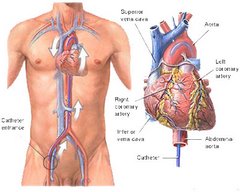
About 1.2 million angioplasties are done in the United States each year. Through a blood vessel in the groin, doctors snake a tube to a blocked heart artery. A tiny balloon is inflated to flatten the clog and a mesh scaffold stent is usually placed.

The procedure already has lost some popularity because of emerging evidence that popular drug-coated stents can raise the risk of blood clots months later. The new study shifts the argument from which type of stent to use to whether to do the procedure at all.

It involved 2,287 patients throughout the U.S. and Canada who had substantial blockages, typically in two arteries, but were medically stable. They had an average of 10 chest pain episodes a week — moderately severe. About 40 percent had a prior heart attack.

"We deliberately chose to enroll a sicker, more symptomatic group" to give angioplasty a good chance to prove itself, Boden said.

All were treated with medicines that improve chest pain and heart and artery health such as aspirin, cholesterol-lowering statins, nitrates, ACE inhibitors, beta-blockers and calcium channel blockers. All also were counseled on healthy lifestyles — diet, exercise and smoking cessation.
Half of the participants also were assigned to get angioplasty.

After an average of 4 1/2 years, the groups had similar rates of death and heart attack: 211 in the angioplasty group and 202 in the medication group — about 19 percent of each.
Heart-related hospitalization rates were similar, too.

Neither treatment proved better for any subgroups like smokers, diabetics, or older or sicker people.

At the start of the study, 80 percent had chest pain. Three years into it, 72 percent of the angioplasty group was free of this symptom as was 67 percent of the drug group.

That means you would have to give angioplasties to 20 people for every one whose chest pain was better after three years — an unacceptably high ratio, Nissen said.
After five years, 74 percent of the angioplasty group and 72 percent of the medication group were free of chest pain - "no significant difference," Boden said.

The study was funded by the U.S.
Department of Veterans Affairs' name=c1> SEARCHNews News Photos Images Web' name=c3> Department of Veterans Affairs, the Medical Research Council of Canada and a host of drug companies. Stent makers refused to help pay for the research, said scientists who led the study.

The study renewed a heated animosity between doctors who perform angioplasty and other heart specialists.

In fact, one who does the procedures and who spoke at a meeting in New Orleans sponsored by stent maker Boston Scientific Corp. was responsible for the early release of the study's results, which were not due out until Tuesday.

The study "was rigged to fail, and it did," the Wall Street Journal quoted Dr. Martin B. Leon of Columbia University telling several hundred of his colleagues Sunday night.

"A lot of people have been taking shots at us, and we need to go on the offense for awhile," the Journal reported Leon said.

He claimed to have inside knowledge of the results because he reviewed the study for the New England Journal. The journal would not comment, saying the identity of its reviewers is confidential.

The cardiology college issued a statement saying it was "extremely disappointed" results were released prematurely, "betraying the confidentiality of the scholarly process and the professional integrity of the scientific community."

The college "will be considering strong sanctions against the individual or individuals involved," the statement said.

Boston Scientific shares fell $1.05, or 6.6 percent, to close at $14.22 on the
New York Stock Exchange' name=c1> SEARCHNews News Photos Images Web' name=c3> New York Stock Exchange at double their average volume.

Dr. Spencer King of Piedmont Hospital in Atlanta, a leading cardiologist who does many angioplasties, said he was disappointed in the study results.

"How many patients have interventions in which the only expectation is to reduce the use of nitroglycerin or to walk a bit faster? Most patients anticipate a better prognosis and might opt for an extended course of medical therapy if they believe they are not putting their life at excess risk," he wrote in a recent editorial in an
American Heart Association' name=c1> SEARCHNews News Photos Images Web' name=c3> American Heart Association journal.

In an interview at the cardiology meeting, King said he recently had surgery for back pain and did not expect permanent relief but added, "If it only held up for five years, I wouldn't be happy about it."

The new study "should lead to changes in the treatment of patients with stable coronary artery disease, with expected substantial health care savings," Dr. Judith Hochman of New York University wrote in an editorial in the journal.

An angioplasty costs roughly $40,000. The drugs used in the study are almost all available in generic form.

Maron, the Vanderbilt doctor who helped lead the study, said people should give the drugs a chance.

"Often I think that patients are under the impression that unless they have that procedure done, they're not getting the best of care and are at increased risk of having a heart attack and die," he said.

Dr. Raymond Gibbons, a Mayo Clinic cardiologist and American Heart Association president, agreed: "This trial shows convincingly that that assumption is incorrect."
___

Monday, March 26, 2007

Victims of Statins

More Testimony from Victim of Statins

"Since my husband, a previously alert and healthy man, started taking Atorvastatin, our lives have changed horrendously for the worse,'' writes a lady from Middlesex, echoed by others troubled variously by loss of memory, irritability, lethargy, personality change, melancholy, insomnia, excruciating muscle pains, numbness and burning of the hands and feet, bowel disturbances and much more.

There is no doubt that statins are to blame , as the improvement in in those who have "given them a rest'' verges on the miraculous.

"I felt like an old man of 90 and had to use a walking stick,'' writes a formerly very fit ex-Marine from Dorset, who has since returned to his thrice-weekly workout in the gym.

If you are concerned about statins, see the website of Florida physician (and former Nasa astronaut) Duane Gravelin, www.spacedoc.net,) where he has posted the experience of several hundred statin victims.

Next, you need to know two important facts that together would reduce the number of statin prescriptions by 70 per cent.

First, the cholesterol level in those who are otherwise fit and well (the vast majority of those on statins) is a weak predictor of heart disease. This particularly applies to those aged 65 or over, in whom there is an inverse relationship, according to a study in The Lancet five years ago, so that the lower the cholesterol the higher the risk of "all-cause mortality''.

The pounds 1 billion a year spent on statins would pay 70,000 more nurses. That shows the extravagance of this current medical enthusiasm where family doctors get a financial incentive to turn the fit and healthy into forgetful cripples.

If you want to look after your heart, buy a dog and have a pre-prandial whisky every evening.

Friday, March 16, 2007

Enhanced External Counterpulsation

Yet another weapon in the noninvasive armory against stable angina and coronary artery disease -- EECP.

What is EECP?

EECP is a mechanical procedure in which long inflatable cuffs (like blood pressure cuffs) are wrapped around both of the patient’s legs. While the patient lies on a bed, the leg cuffs are inflated and deflated with each heartbeat. This is accomplished by means of a computer, which triggers off the patient’s ECG so that the cuffs deflate just as each heartbeat begins, and inflate just as each heartbeat ends.

When the cuffs inflate they do so in a sequential fashion, so that the blood in the legs is “milked” upwards, toward the heart.

EECP has two potentially beneficial actions on the heart. First, the milking action of the leg cuffs increases the blood flow to the coronary arteries. (The coronary arteries, unlike other arteries in the body, receive their blood flow after each heartbeat instead of during each heartbeat. EECP, effectively, “pumps” blood into the coronary arteries.) Second, by its deflating action just as the heart begins to beat, EECP creates something like a sudden vacuum in the arteries, which reduces the work of the heart muscle in pumping blood into the arteries. Both of these actions have long been known to reduce cardiac ischemia (the lack of oxygen to the heart muscle) in patients with coronary artery disease. Indeed, an invasive procedure that does the same thing, intra-aortic counterpulsation (IACP, in which a balloon-tipped catheter is positioned in the aorta, which then inflates and deflates in time with the heartbeat), has been in widespread use in intensive care units for decades, and its effectiveness in stabilizing extremely unstable patients is well known.

While a primitive form of external counterpulsation has also been around for a long time, it has not been very effective until recently. Thanks to new computer technology that allows the perfect timing of the inflation and deflation of the cuffs, and produces the milking action, modern EECP has been greatly enhanced.

EECP is administered as a series of outpatient treatments. Patients receive 5 one-hour sessions per week, for 7 weeks (for a total of 35 sessions). The 35 one-hour sessions are aimed at provoking long lasting beneficial changes in the circulatory system.

How effective is it?

EECP now appears to be quite effective in treating chronic stable angina. A randomized trial with EECP, published in the Journal of the American College of Cardiologyin 1999, showed that EECP significantly improved both the symptoms of angina (a subjective measurement) and exercise tolerance (a more objective measurement) in patients with coronary artery disease. EECP also significantly improved “quality of life” measures, as compared to placebo therapy.
More recent data show that this improvement in symptoms following a course of EECP seems to persist for up to five years.

Furthermore, there is also preliminary data suggesting that EECP may be useful for treating unstable angina, as adjunctive therapy after revascularization (i.e., with angioplasty, stent, and/or bypass surgery), and even as first-line (instead of last resort) therapy for more routine forms of angina. (Read about EECP as early therapy for angina here.)

Finally, clinical trials have suggested that EECP may be useful in improving symptoms in patients with heart failure. Read about EECP for heart failure here.

How EECP works, and who it may help
Who is likely to benefit from EECP?

Based on what is already known, EECP should be considered in anybody who still has angina despite maximal medical therapy and prior revascularization. No cardiologist could argue logically against this. And, frankly, if a patient insisted on trying EECP prior to agreeing to purely elective revascularization for chronic stable angina, the cardiologist might not like it, but would be hard pressed to give anything beyond a purely emotional reason as to why this should not be tried.

Why does EECP work?

The mechanism for the sustained benefits seen with EECP still amount to speculation. Everyone can agree that there are good reasons for EECP (just as for IACP) to benefit the heart while the therapy is actually taking place. But as to why the benefit of EECP persists even after the therapy is finished, no one can say for sure.

There are preliminary data suggesting that EECP can help induce the formation of collateral vessels in the coronary artery tree, by stimulating the release of nitric oxide and other growth factors in within the coronary arteries.

There is also evidence that EECP may act as a form of “passive” exercise, leading to the same sorts of persistent beneficial changes in the autonomic nervous system that are seen with real exercise.

Can EECP be harmful?
EECP can be somewhat uncomfortable (it is said to be more difficult to watch – what with the patient being noticeably jostled due to the milking action of the inflatable leg cuffs – than it is to actually have it done), but is not painful. In fact, it is apparently very well tolerated by the large majority of patients.

But not everyone can have it. People probably should not have EECP if they have certain types of valvular heart disease (especially aortic insufficiency), or if they have had a recent cardiac catheterization, an irregular heart rhythm, severe hypertension, significant blockages in the leg arteries, or a history of deep venous thrombosis (blood clots in the legs). For anyone else, however, the procedure appears to be quite safe.

Why cardiologists don't like it - and what you should do about it

Despite its increasingly apparent potential usefulness, EECP is hardly taking the cardiology world by storm. In fact, it seems that for most cardiologists EECP is not even on the list of potential treatments for coronary artery disease. Why is that?
There are several possible reasons. Let us dispense with the most obvious first, namely, that EECP doesn’t pay well. A series of 35 treatments costs $5000 to $6000 dollars. That’s not chicken feed, but keep in mind that we’re talking about 35 hours of therapy over 7 weeks, which involves not only the doctor’s time but also the time of office staff, nursing personnel, etc., etc. Still not a terrible return, but when you consider that a cardiologist can often bill that much by spending a morning in the cath lab, well - - -.

Then there’s the fact that EECP remains somewhat intellectually unsatisfying.

To your average cardiologist, there’s no reason at all that anyone should have thought it would work in the first place – that temporarily providing counterpulsation would have lasting effects. And the fact that it apparently does work is merely blind luck, and leaves investigators scrambling ridiculously to explain why it does. This is a less than satisfying way to advance science.

In addition, to most cardiologists, EECP is logistically difficult. To accommodate patients for EECP, they would not only have to purchase expensive equipment, but also would have to radically change the organization of their offices, their office staff, and their space.
Finally, and most importantly, EECP has nothing in common with what cardiologists do. Cardiologists study and treat the heart, for goodness sake. They stress it, image it, measure it, pace it, shock it, stent it, ablate it, revascularize it, and bathe it in drugs. What they do takes years of specialized training and expertise, millions of dollars of high-tech equipment, and tremendous manual dexterity, and it brings them significant prestige, even within the medical community.

Now they’re supposed to drop all that? In order to attach fancy balloons to peoples’ legs, throw a switch, watch them bounce around for an hour, then say, “See you tomorrow?” That’s not cardiology. That’s glorified physical therapy.

This, in DrRich’s estimation, is the real reason the average cardiologist is completely ignoring EECP, as if it doesn’t even exist. They simply can’t believe anyone really expects them to do this.

In any case, you may need to raise your cardiologist’s consciousness. If you have coronary artery disease that has proved difficult to treat, then you need to bring EECP up yourself.
Once enough patients show themselves to be aware of this new therapy and to be expecting it, suddenly EECP will no longer be beneath cardiologists, and they’ll eagerly find a way to incorporate it into their practices.

How can you receive EECP?

If you are a candidate for EECP and wish to pursue it, start with your doctor. If your doctor discourages you from pursuing EECP, make sure he/she gives you a good reason for discouraging it. Good reasons would include: you don’t have the sort of coronary artery disease or angina that would benefit from EECP; your coronary artery disease is of the type that requires revascularization; or you have one of the contraindications (listed above) for having EECP. (Good reasons would not include: it’s unproven; it doesn’t work; it’s voodoo; or I’ve never heard of it.)

There are fewer than 200 places today performing EECP, though the number is growing rapidly. If your doctor can’t think of a place to refer you for EECP, go online. The best place to start online would be EECP.com. This is a website run by Vasomedical, Inc., the company that makes the equipment for EECP, so it is not unbiased. But it does offer an excellent means of finding a place where you can get EECP in your area.

Your insurance carrier should cover EECP, though these fine humanitarians might well deny coverage initially. Medicare has approved EECP for reimbursement, and once Medicare approves a new treatment, insurance companies normally fall in line quite quickly. In the case of EECP, however, many insurance companies are still balking at paying, perhaps because their cardiology consultants are telling them it’s not really a serious therapy. Don’t let this discourage you. If you are turned down for reimbursement, appeal the decision. Most insurance companies count on patients failing to appeal (which is why they so frequently deny therapy that is obviously needed), and with Medicare supporting your contention that EECP ought to be covered, odds are that if you appeal you’ll win.

(From DrRich's article about EECP at About.com)

Saturday, March 10, 2007

Stop Working? No Way!

Anyone who has been following my blog knows I decided to take an alternative treatment to the quintuple bypass surgery my Indiana invasive cardiologist wanted me to have in 2004. My angina disappeared for two-and-a-half years on medication alone. In November 2006, the angina reurned. It is "stable" angina, occuring on exertion, readily relieved with NTG sublingually. It seems to occur mostly when my blood pressure show a diastolic reading of over 80 and a systolic of over 128.

My cardiologist, who is not a true noninvasive practitioner, has cooperated with my desire to continue medical treatment rather than undergo a bypass. We are fiddling with my meds and I am watching my diet better.

There is some consternation that I have opted to contineu working in an isolated part of the world, Nigeria, however, I choose to keep working because it is what I enjoy doing the most. There is another person I know of who has many medical, especially cardiac, problems and he too has decided to keep working. I can't say, I want to emulate him or that he is my hero, because I am vehemently opposed to his politics, however, I do give him credit for being his own man.

See his story here.

Saturday, March 03, 2007

Viagra -- Better Than Nitroglycerin?

Erectile dysfunction drugs may be better than nitroglycerin in protecting the heart from damage before and after a severe heart attack, Virginia Commonwealth University researchers report today.

During a heart attack, the heart is deprived of oxygen, which can result in significant damage to heart muscle and tissue. After the attack, most patients require treatment to reduce and repair the damage and improve their chances of survival. With the exception of early reperfusion, there are no available therapies that are truly effective in protecting or repairing such damage clinically.

Rakesh C. Kukreja, Ph.D., professor of medicine and Eric Lipman Chair of Cardiology at VCU, and colleagues compared nitroglycerin with two erectile dysfunction drugs -- Viagra®, generically known as sildenafil, and Levitra®, generically known as vardenafil -- to determine the effectiveness of each for heart protection following a heart attack. Nitroglycerin is a drug used to treat angina, or chest pain. It is a vasodilator and opens blood vessels in order to improve the flow of blood to a patient’s heart.The research team reported that in an animal model, sildenafil and vardenafil reduce damage in the heart muscle when given after a severe heart attack. In contrast, nitroglycerin failed to reduce the damage in the heart when administered under similar conditions. The findings were published in the February issue of the Journal of Molecular and Cellular Cardiology, the official publication of the International Society for Heart Research.

“Erectile dysfunction drugs can prevent damage in the heart not only when given before a heart attack, as we discovered previously, but also lessen the injury after the heart attack,” said Kukreja, who is the lead author of the study.

According to Kukreja, the protective effects on the heart produced by these erectile dysfunction drugs may be potentially useful as adjunct therapy in patients undergoing elective procedures, including coronary artery bypass graft, coronary angioplasty or heart transplantation. In addition, he said another potential application could be to prevent the multiple organ damage that occurs following cardiac arrest, resuscitation or shock.

“Preserving heart function is critical to optimal cardiac outcomes,” said George W. Vetrovec, M.D., chair of cardiology at the VCU Pauley Heart Center. “These agents have significant potential to enhance patient outcomes, particularly in high risk circumstances, such as acute heart attacks.”

For several years, Kukreja and his colleagues have studied a class of erectile dysfunction drugs known as phosphodiesterase-5 inhibitors as part of ongoing research into heart protection. The team first investigated sildenafil, and then vardenafil, and found that both compounds were protective when given before a heart attack under experimental conditions.

This work was supported by grants from the National Institutes of Health, Pfizer Inc., and Bayer Healthcare AG.

The Journal of Molecular and Cellular Cardiology is published by Elsevier Publishing.

Always consult with your health care provider before changing your medication regimen. Never take ED drugs when you are taking Nitroglycerin.

Monday, February 19, 2007

Mail Call - Where are all of the Noninvasive Cardiologists?

On 2/18/07, Dave wrote:

Hi Jeff:
I am a retired lSG living in Louisville, KY and never thought twice about heart problems! Had a mycardial infarction in 1974 while in the hospital at Ft Knox. Recovered well and have never taken anything other than a aspirin daily for it! I was referred to a Cardiologist by my Family Dr (Internal Medicine) "because your 76 yrs old, had a heart attack and on-set Type II diabeties"! I made the initial appointment and was scheduled for a stress test, echocardiogram and whatever the test is that takes about 30 minutes under a scanner in the morning then again right after the treadmill! Was informed I failed the stress test and apparently have blockage to the front of the heart; need to have a angioplasty and to determine if stints are appropriate or "we may have to go from there to more extensive surgury" My question of you is where did you find the info for locating a Cardiologist that tries medication first rather than doing the catherator bit! My blood pressure and cholesterol levels are good with medication and my diabeties well under control also! I noticedl you were from IN so thought maybe you knew of someone in this area that fits my need!

Dave


Hi Dave,

Nice to know a fellow E8/1SG/MSG (R) has the sense to do research and seek out second opinions. I found Dr. Wayne in a Google Search and that's also how I located his temporary replacement, Dr. Stephen DeVries. I Googled the words noninvasive and cardiologist . While there were some names that came up closer to me, oe in Indianapolis, for example, they were in a traditional group practice and I felt they were not independent enough. But the key is stay away from INTERVENTIONAL and INVASIVE Cardiologists. They are the ones that want to pierce your skin and fleece your pocketbook.

You sound like the average American who has had sn MI. It just goes to show us that not only the guy with high cholesterol has to worry, an MI can hit even those of us in great shape. I just finished reading Charles T. McGee's Heart Fraud: Uncovering the Biggest Medical Frauds in America . In this explosive book, the author validates something Dr. Wayne preached, cholesterol levels and types don't matter squat and the angiogram is a worthless test. McGee does endorse what he calls a Quantitative angiogram.

You are correct to question any cardiologist whose treatment of choice is a Coronary Artery Bypass Graft without first trying you on a regimen of medications. Doctors who don't tell what all of your treatmet alternatives are and the risks and benefits of each, aren't worth their salt and are not to be trusted. They are medical terrorists, looking to assault your body to make themselves rich. If you are able to go to an Army cardiologist or one at the VA, I am pretty sure you'd get a better opinion because you would be getting it from a physician who had no financial interest in the type of treatment you are put on.

If I hear of any doctors in Kentucky who are noninvasive cardiologists, I wikll definetely contact you and put it in my blog. Please let people know about my blog and do keep in touch.

With Warm Regards and Hope.

Jeff Brailey
9317)627-0359

Tuesday, February 06, 2007

We Get Questions

Question

So, what is the medication regimen prescribed for you by Dr. Wayne. Also what are the "three specific locations of blockages that are fairly rare" that may need CABG surgery? The latter was mentioned in your Blog of 6Dec2006 at 0138 hrs.


Jeff's Reply

I'm sorry I took so long to respond. I work on an oil rig in Nigeria and I don't get to check my email daily. Let me tell you about a website where a lot of questions you have may be answered. It is the late Howard Wayne's website: http://www.heartprotect.com. Dr. Wayne is no longer with us, however, his wife has kept his website up. I don't know if all of his books are available, but if they are, you can buy them through the website.

Dr. Wayne started me on three medications back in May 2004. Metapropolol, Fosinopril, and Modiuretic. He titrated my dosages until my blood pressure at rest became the lowest it could be without me having lightheadness as a side effect. That amounted to 100mg of Metapropolol twice a day, 20mg of Modiuretic in the morning and 10 mg. of Fosinopril at bedtime. It took about six weeks to accomplish this. Back then, Dr. Wayne had given me a prescription for Isosorbide but he told me to stop titrating and not use the prescription.

I went from May 2004 to November 2006 without one incident of angina. While traveling home from Nigeria just after Halloween, I had to run through Charles De Gaulle Airport in Paris to make my connection. I then experienced my first angina in over two years. Since that time, I have had angina a few times a week. In January 2007, I visited a new noninvasive cardiologist I called after learning that Dr. Wayne passed away in October 2006 while vactioning in the mountains around Lake Tahoe. He would have been 83 in three weeks and lived a good and productive life.

The new physican added Isosorbide Long Acting 60mg in the morning to my regimen and gave me Nitroglycerin .04 sublingual as needed. The Isosorbide caused my blood pressure to crash too much so, I started cutting them in half and taking it with my Metepropol in the morning and at night. The angina is once again controlled.

I will see my doctor when I return from West Africa the end of February.

Regarding what types of CAD usually require surgical intervention. The main one is a significant blockage that is of the large left atrial vessel. If there is any evidence of cardiac ischemia with new onset of chest pain, and finally, any CAD that doesn't respond to medication. In other words, if the first two conditions do not exist and the doctor has not tried to treat you with medication but wants you to have a CABG, you probably want to get a second opinion.

I am not a doctor and do not pretend to be one. I would never be so bold as to tell you what to do with your health. But I do think we all should take charge of our own bodies and not let doctors with less than altruistic motives scare and coerce us into surgery we do not need.

I wish you great health and prosperity.

*********************************************************************************

I enjoy answering questions and wish we would get more. Feel free to ask anything you like. I especially enjoy sparring with interventional and invasive cardiologists. If any of you want to (and I know you are out there) spar a little bit with me, feel free. I like nothing better than to try to turn you guys and gals into proper cardiologists. So if you can defend the huge amount of CABGs performed in the USA, drop me a line.

**********************************************************************************

Saturday, February 03, 2007

DID YOU KNOW?

More than 400,000 patients in the US have coronary artery bypass graft surgery each year, showing a loss of brain function in up to 70 per cent at discharge and more than one-third of patients after three months.

Coronary-bypass surgery consumes more of our medical dollar than any other treatment or procedure. Although it is performed less frequently than the most common abdominal and gynecological operations, it is the leader in terms of equipment and personnel, hospital space, and total associated revenues.

Scientific studies have shown that except in certain well-defined situations, bypass surgery does not save lives, or even prevent heart attacks.

Among patients who suffer from coronary-artery disease, those who are treated without surgery enjoy the same survival rates as those who undergo open-heart surgery.

In 1977 the Veterans Administration reported a study showing that bypass surgery caused no decrease in average annual mortality among patients with ordinary angina unless they happened to be suffering from an obstruction of the left main coronary artery, a particularly severe form of heart disease.

In 1978 researchers for the National Institutes of Health completed a similar study, randomly assigning patients with unstable angina to either surgery or nonsurgery; their findings mirrored those of the VA experiment. No difference could be determined in rates of survival between the two groups-in other words, the cases were not real emergencies, as had been assumed, and heroic surgery was not saving lives.

AMERICAN CARDIOLOGISTS HAVE KNOWN FOR OVER 30 YEARS THAT CORONARY ARTERY BYPASS GRAFTS ARE NO MORE EFFICACIOUS OR DO NOT SAVE ANY MORE LIVES THAN TREATMENT WITH MEDICATION. DO THE RESEARCH FOR YOURSELF AND SEE WHY I CALL INTERVENTIONALIST CARDIOLOGISTS WHO SCARE AND COERCE THEIR PATIENTS INTO UNNEEDED BYPASSES - MEDICAL TERRORISTS WHO SHOULD BE CHARGED WITH ASSAULT.

Thursday, January 25, 2007

Why don't the pharmaceutical companies tout this study?

Risk Factors for Coronary Artery Disease in Patients With Elevated High-Density Lipoprotein Cholesterol

In a January 1, Journal of Cardiology story, it was concluded that patients with high HDL and CAD had a similar or lower prevalence of traditional CAD risk factors compared with patients with normal HDL levels and CAD. In other words, your cholesterol level means squat. Why then hasn't this news been heralded around the globe? I'll tell you why, it is not in the financial interests of the pharmaceutical industry. These modern day medicine show performers would rather have people pay huge prices for something they don't even need, that even may be harmful to them.

People with high cholesterol live longest

People with high cholesterol live the longest. This statement seems so incredible that it takes a long time to clear one´s brainwashed mind to fully understand its importance. Yet the fact that people with high cholesterol live the longest emerges clearly from many scientific papers. Consider the finding of Dr. Harlan Krumholz of the Department of Cardiovascular Medicine at Yale University, who reported in 1994 that old people with low cholesterol died twice as often from a heart attack as did old people with a high cholesterol.1 Supporters of the cholesterol campaign consistently ignore his observation, or consider it as a rare exception, produced by chance among a huge number of studies finding the opposite.

Of course,, you've got to keep in mind, the pharmaceutical companies market their products to the hilt, especially the new ones people think they need. Some of the "statins" cost upwards to 10 dollars per tablet!

Please read (Almost) Everything You Need to Know About Statin Drugs by Maryann Napoli

or read The Cholesterol Myths by the foremost authority on cholesterol, Uffe Ravnskov, MD,PhD

After you have read all about cholesterol, the pros and the cons, check and see who funds most of the positive anti-cholesterol therapy studies. Merk, Eli Lily, Pfizer, and other drug companies.

It's time for the healthcare product consumer to stand up and take charge of his and her own bodies. You cannot trust medical terrorists and mercenaries to work in your best interests. Always get a second opinion if a cardiologist your family physician sent you to says you need a quintuple coronary artery bypass. Never accept a new cholesterol medication simply because your doctor thinks its great -- check it out.

Friday, January 19, 2007

Uh Oh... we'd better stop doing that!

It's not nice to fool Mother Nature -- It seemed like a good idea, but combining a carotid endarterectomy with a coronary artery bypass graft increased the risk of postoperative stroke and death by nearly 40% over CABG alone, investigators reported.

In a review of records on patients nationwide who underwent CABG with or without carotid endarterectomy, the odds ratio for a combined endpoint of postoperative stroke or death was 2.25 for patients who underwent both procedures, reported Richard M. Dubinsky, M.D., M.P.H., and Sue Min Lai, Ph.D., M.B.A., of the University of Kansas Medical Center.

After correction for co-morbidities, the odds ratio was reduced to a smaller but still significant 1.38 compared with patients who underwent CABG only, they wrote in the Jan. 15 issue of Neurology.

Their findings suggest that theoretical benefit of combining the surgeries may not outweigh the increased risks.

"The underlying rationales for combined carotid endarterectomy-CABG are to protect the carotid circulation from artery-to-artery embolic stroke during CABG and to lessen the risk by having just one operation, albeit longer, and one exposure to anesthesia," the authors wrote.

"Although there is an increased likelihood of carotid artery disease in those with coronary artery disease, the risk of asymptomatic carotid artery stenosis is low enough that perioperative mortality can be greater than the benefit of reduced risk of stroke compared with medication alone."

The investigators conducted a retrospective study of records from the Nationwide Inpatient Sample, a database that provides yearly admission and discharge data from nearly 1,000 hospitals.

They extracted data on community-wide mortality and morbidity rates in patients undergoing combined carotid-endarterectomy-CABG in the United States from 1993 through 2002.

The cohort included 657,877 patients ranging from 32 to 89 years old, 178,959 of whom underwent endarterectomy alone, 471,881 who underwent CABG alone, and 7,037 who underwent both procedures. Of the combined surgery group, 1,203 were known to have undergone the procedures on the same day; the spacing of procedures in the remaining 5,807 was unknown.

The investigators calculated the odds ratio for the combined outcomes of postoperative stroke or death for same-day endarterectomy-CABG to be 2.16 (95% confidence interval 1.78 to 2.62, P<0.0001) compared with CABG alone, and for those patients in whom the spacing of the procedures was unknown the odds ratio was 2.28 (95% CI 2.08 to 2.48, P<0.0001). For all combined procedures the odds ratio was 2.25 (95% CI 2.08 to 2.44, P<0.0001).

There were no changes over time in the rate of postoperative stroke or death in the combined surgery groups, the authors noted.

In a logistic regression model of those older than 65, procedures performed in urban non-teaching hospitals, and co-morbidities (Charlson index score > 1) were also associated with increased risk for in-hospital death and postoperative stroke, with female sex being the only factor associated with lower in-hospital mortality for people undergoing both procedures.

"The logistic regression models confirmed that for combined carotid endarterectomy-CABG, the higher risk persisted even after controlling for all risk factors and remained unchanged when individual comorbidities (rather than the co-morbidity index) were analyzed," the investigators wrote.

The adjusted odds ratio for the combined endpoint of postoperative stroke or death was 1.38 (95% CI 1.27-1.50, P<0.0001).

The authors noted that the increased risk seen with the combined procedures might be attributable to residual confounders, such as previous stroke or the degree of carotid artery stenosis.

They also acknowledged that the administrative data they relied on could include diagnostic coding errors and omissions of some co-morbidities. Their analysis could not account for the degree of carotid stenosis, extent of previous strokes, use of pre-operative medical therapies, or physician experience.

"The frequency of combined carotid endarterectomy-CABG has increased, but the reported case series are inadequate to conclude whether there is a benefit to combining the procedures," Dr. Dubinsky and Dr. Lai wrote. "A randomized controlled clinical trial, stratified for the degree of carotid stenosis and for previous stroke, with a follow-up of at least one year, is clearly needed to determine the benefit, if any, of combined carotid endarterectomy-CABG in patients with carotid and coronary atherosclerosis."

This just goes to show you that surgical procedures should be approved by an entity like the FDA before being introduced into use on the general population. How would you like to be or have had one of your loved ones be one of that 40%?


At the very least, cardio-thoracic surgeons should:

1. tell the patient studies show when the CABG and carotid endarterectomy are performed together, there is about a 40% higher risk of stroke or death after surgery than for CABG alone.

2. point out that not all co-morbidities could be determined in this study and a randomize, controlled trial would be necessary to determine the benefits of lack of benefit of this procedure.

Saturday, January 13, 2007

Low "Good" Cholesterol Level Protects Parkinson's Patients from Heart Attacks??

People with low levels of LDL cholesterol are more likely to have Parkinson’s disease than people with high LDL levels, according to University of North Carolina at Chapel Hill researchers.LDL stands for low-density lipoprotein cholesterol; low levels of LDL cholesterol are considered an indicator of good cardiovascular health. Earlier studies have found intriguing correlations between Parkinson’s disease, heart attacks, stroke and smoking.

“People with Parkinson’s disease have a lower occurrence of heart attack and stroke than people who do not have the disease,” said Dr. Xuemei Huang, medical director of the Movement Disorder Clinic at UNC Hospitals and an assistant professor of neurology in the UNC School of Medicine. “Parkinson’s patients are also more likely to carry the gene APOE-2, which is linked with lower LDL cholesterol.” And for more than a decade, researchers have known that smoking, which increases a person’s risk for cardiovascular disease, is also associated with a decreased risk of Parkinson’s disease.

Well, I have a pretty severe case of CAD, I was told in 2004 I needed a quintuple coronary artery bypass, but I opted for treatment with medication. I am doing very well on medication and am told by my doctors that my heart is in great shape. I guess I have my Parkinson's deisease to thank for that. I suppose I could say the PD is a blessing in disguise.

These findings led Huang to examine whether higher LDL cholesterol might be associated with a decreased occurrence for Parkinson’s disease, and vice versa. “If my hypothesis was correct,” she said, “lower LDL-C, something that is linked to healthy hearts, would be associated with a higher occurrence of Parkinson’s.” The results of Huang’s study, published online Dec. 18 by the journal Movement Disorders, confirmed her hypothesis. “We found that lower LDL concentrations were indeed associated with a higher occurrence of Parkinson’s disease,” Huang said. Participants with lower LDL levels (less than 114 milligrams per deciliter) had a 3.5-fold higher occurrence of Parkinson’s than the participants with higher LDL levels (more than 138 milligrams per deciliter).

Huang cautioned that people should not change their eating habits, nor their use of statins and other cholesterol-lowering drugs, because of the results. The study was based on relatively small numbers of cases and controls, and the results are too preliminary, she said. Further large prospective studies are needed, Huang added.

“Parkinson’s is a disease full of paradoxes,” Huang said. “We’ve known for years that smoking reduces the risk of developing Parkinson’s. More than 40 studies have documented that fact. But we don’t advise people to smoke because of the other more serious health risks,” she said.

Huang and her colleagues recruited 124 Parkinson’s patients who were treated at the UNC Movement Disorder Clinic between July 2002 and November 2004 to take part in the study. Another 112 people, all spouses of patients treated in the clinic, were recruited as the control group. Fasting cholesterol profiles were obtained from each participant. The researchers also recorded information on each participant’s gender, age, smoking habits and use of cholesterol-lowering drugs.

Huang notes that the study also found participants with Parkinson’s were much less likely to take cholesterol-lowering drugs than participants in the control group. This, combined with the findings about LDL cholesterol, suggests two questions for additional study, Huang said.

“One is whether lower cholesterol predates the onset of Parkinson’s. Number two, what is the role of statins in that? In other words, does taking cholesterol-lowering drugs somehow protect against Parkinson’s? We need to address these questions,” she said.

Friday, January 12, 2007

Dr. Andrew Chung, MD, PhD

Dr. Andrew B. Chung, MD, PhD, an invasive/noninterventional cardiologist practicing in Georgia, has invited all former patients of the late Dr. Wayne to the sci.med.cardiology usenet newsgroup to receive his public comments about our experiences. Dr. Chung does a great deal of patient education via email and the Internet and is a good resource for any lay person about health related topics. The URL of his cardiology newsgroup is

http://groups.google.com/group/sci.med.cardiology/msg/d114c7fea319e0fb?

Tuesday, January 09, 2007

Replacing Dr. Wayne

Today was my appointment with Dr. Stephen DeVries, a noninvasive cardiologist who practices in the University of Illinois Medical Center in Chicago. I know I promised several of Dr. Wayne's patients that I would provide them with a critique of my experience and I have been pondering what I should write. Let me tell you about my visit to the Illinois Medical Center Heart Center.

I was escorted from the waiting room by a very friendly and efficient RN. She obtained my weight and vital signs, took a history and asked of my current symptoms and had me list all of the medications, both cardiac related and otherwise. The only thing she seemed surprised at was my BP reading - 98/52. Then I was taken to another room by an EKG technician. She took about ten minutes setting me up and fiddling with the leads until all interference was gone and then she took the EKG.

Dr. DeVries entered the exam room within a few minutes after I had come back from the EKG. A thin, unopposing, affable man with a winning smile and great bedside manner, I immediately felt comfortable with him. Once we got the small talk out of the way, I told Dr. DeVries about the loss of the best cardiologist I ever had and told him frankly that this visit was an interview in search of a suitable replacement. Whether or not I chose him, depended on how he answered my questions.

He replied by saying he respected the patient's right to take charge of his own medical treatment. Likening himself to a presidential advisor, DeVries said, "The president gets advice from different advisors about which country to go to war with, but the final decsion lays with the president." He would give me advice and would give me all the facts so I could make a rational decision.

I explained to Dr. DeVries that I had been angina-free from May 2004 to November 2006, by taking Dr. Wayne's medical regimen. But in November, while running through Charles De Gaulle airport in Paris, I felt a twinge of angina. Since then, these twinges have repeated themselves several times a day, during exetion or fairly severe stress.

Dr. DeVries, although a noninvasive cardiologist, said he felt I needed a new stress test and nuclear images by cardiography during the test. I told him I no doubt would fail, then he replied, "Then I would recommend an angiogram and if necessary, possible stents."

Dr. Wayne had warned me that the medicine probably wouldn't work for ever and I may need a CABG some time in the future. He also had told me on many occasions, that angiograms were useless tools, so the fact that Dr. DeVries wanted me to have one sent a red flag up. I asked why a 64 slice CT wouldn't be acceptable and he responded, "When we do an angiogram, we can put stents in or do a baloon angioplasty." Again, not eh most encouraging response.

He asked about my cholesterol level and I said I had no idea what the numbers were and that Dr. Wayne strongly objected to me being prescribed Lipitor by my neurologist. I told him I wasn't worried about the cholesterol levels and he still wants me to get fasting lab work to check my levels.

I like Dr. DeVries and until I can find a cardiologist who seems to be schooled in the techniques and philosophy of Dr. Wayne, will probably continue to see him. I will do the blood work and the stress test and cardiography but I will, under no circumstances allow stents or angioplasty.

I don't know if I will get a CABG or not. Dr. DeVries prescribed Imdur 60mg i qd and NTG 1/150 i SL prn chest pain x 3 to be added to the medication regimen I am already on. He also increased my aspirin from 81mg daily to 325mg qd and recommended Nordic Natural EPA Fish Oil pills, 2 with breakfast. Let's see how that does.

I also will see Dr. DeVries in February, after I return from my work in Africa. So while I am going to start seeing Dr. DeVries for the time being, I cannot recommend him as a replacement for Dr. Wayne. You may want to check out Dr. Thomas A Preston, MD, Professor of Medicine at the University of Washington School of Medicine and Chief of Cardiology at Pacific Medical Center, Seattle, Washington. Scroll down to his guest editorial.

Also, check my Cholesterol Conspiracy Links. You will find them very enlightening.