HOW RUSH REALLY FEELS ABOUT SANDRA FLUKE

Tuesday, January 09, 2007

Screening CT-Coronary Angiography: Ready for Prime Time?


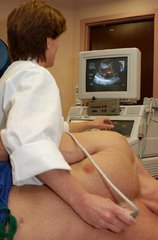
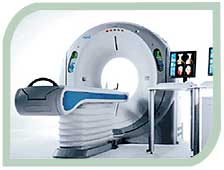
The advent of very advanced CAT scan imaging has enabled cardiologists to detect the earliest calcified and non-calcified plaque in coronary arteries. This noninvasive procedure has allowed the early detection of coronary artery disease before patients are stricken with sudden cardiac death and myocardial infarction (heart attack).

Westside Medical Imaging has been a pioneer and leader in the field of coronary imaging and 64 slice CT coronary angiography having performed nearly 4,000 scans to date and with that having an important impact on many lives. The use of 64 slice cardiac CT as a screening examination has been evaluated by Norman Lepor MD in a recent publication in the medical journal, Reviews in Cardiovascular Medicine.

Dr. Lepor is an Associate Clinical Professor of Medicine at the Geffen School of Medicine at UCLA and the co-director of Cardiovascular Imaging at Westside Medical Imaging. In this pivotal publication, Dr. Lepor describes the ability of this important technology to detect heart disease in the presymptomatic phase. In addition, he discusses the shortcoming of the current method of risk assessment using risk factor analysis which often underestimates the risk certain populations. Dr. Lepor describes in detail the risk and benefits of this approach.

He recommends that any person with one or more of the following heart attack risk factors including diabetes, smoker (past or current), high blood pressure, family history of heart disease, high cholesterol and age (> 45 years for males and > 50 years for females) be considered for this important screening examination. With the chance of having a heart attack much greater then developing breast cancer and colon cancer, coronary artery screening should save many lives.

See more about this incredible breakthrough at http://www.westsidemedimaging.com/

From PR Newswire

Sunday, January 07, 2007

Guest Editorial

MARKETING AN OPERATION: CORONARY ARTERY BYPASS SURGERY

by Thomas A. Preston, MD

Dr. Thomas A. Preston is Professor of Medicine at the University of Washington School of Medicine and Chief of Cardiology at Pacific Medical Center, Seattle, Washington.


ABSTRACT: Coronary-bypass surgery is overused, frequently ineffective, and absurdly expensive. It is the epitome of modern medical technology, yet, as it is now practiced, its net effect on the nation's health is probably negative.


Preston TA: Marketing an operation: Coronary artery bypass surgery. J Holistic Med 1985;7(1):8-15.


Coronary-bypass surgery consumes more of our medical dollar than any other treatment or procedure. Although it is performed less frequently than the most common abdominal and gynecological operations, it is the leader in terms of equipment and personnel, hospital space, and total associated revenues. The operation is heralded by the popular press, aggrandized by the medical profession, and actively sought by the consuming public. It is the epitome of modern medical technology. Yet as it is now practiced, its net effect on the nation's health is probably negative. The operation does not cure patients, it is scandalously overused, and its high cost drains resources from other areas of need.


Fully half of the bypass operations performed in the United States are unnecessary. A decade of scientific study has shown that except in certain well-defined situations, bypass surgery does not save lives, or even prevent heart attacks: among patients who suffer from coronary-artery disease, those who are treated without surgery enjoy the same survival rates as those who undergo open-heart surgery. Yet many American physicians continue to prescribe surgery immediately upon the appearance of angina, or chest pain.


The concept of bypassing an obstructed artery to restore blood flow is simple enough for any eighth-grader to comprehend. In fact, for years before the advent of the coronary-bypass operation surgeons had performed similar operations on the larger arteries in the legs, using long, thin, artificial pipelines to carry blood from a point in front of to a point beyond an obstruction in the artery. Though the bypasses put into legs often became blocked themselves after a few years, such surgery produced two real benefits: it relieved pain in legs that were not getting enough blood, and it restored strength to legs that had been nearly useless. We can easily see why physicians thought, by extrapolation, that bypassing defective coronary arteries would produce equivalent results.


So strong was the analogy to leg surgery, and so compelling the hope of restoring diseased hearts, that physicians immediately embraced the idea of coronary-bypass surgery when the procedure was introduced in 1967 -- even though no evidence of its benefits was yet available. By 1969 the procedure was being performed at most of the nation's major medical centers. A few physicians cautioned against an untested and unproven therapy, but most simply took it on faith that the operation would relieve angina, prevent heart attacks, and prolong life. Calls for scientific studies of the operation's efficacy were rejected as unnecessary, and cardiologists and surgeons refused, as unethical, to withhold surgery from some patients so that comparative studies could be made, because they "knew" that those patients would die without the surgery. Meanwhile, proponents claimed in medical reports that patients who had bypass surgery were restored to normal, or even better than normal, life expectancy. Such was the depth of the conviction.


Of the 13,000 Americans on whom coronary-bypass operations were performed in 1970, at least 8% died as a result of the surgery. (At present, only 1% to 3% die, owing to technical refinements.) The assumption at the time was that a far greater number would have died if they had been given only the nonsurgical treatment when available. We will never know whether that was true, but in my opinion they would have lived longer, on the average, without the surgery. Meanwhile, surgical-training programs expanded rapidly, open-heart surgical facilities were developed in most large general hospitals, and the number of bypass operations performed each year grew steadily- reaching 60,000 by 1975.


Many of these were performed on patients who had what is known in the medical business as "unstable angina" -chest pain of recent onset or unusual severity. The category is broad enough to take in thousands of patients who reported no more than an increase in chest pain. Some physicians, mistakenly assuming that these patients were on the verge of death, declared them medical emergencies. Patients who reported a few episodes of chest discomfort, or who had chest pain when resting, were sent to surgery as soon as an operating room was available.


In 1977 the Veterans Administration reported a study showing that bypass surgery caused no decrease in average annual mortality among patients with ordinary angina unless they happened to be suffering from an obstruction of the left main coronary artery, a particularly severe form of heart disease. This was a scientific study, using controls for an impartial comparison, in contrast to many studies using no controls that had appeared in medical journals and that supported the practice. But bypass advocates blamed the results on the ineptitude of VA surgeons, even though the percentage of VA patients who died in surgery was below the national average,


In 1978 researchers for the National Institutes of Health completed a similar study, randomly assigning patients with unstable angina to either surgery or nonsurgery; their findings mirrored those of the VA experiment. No difference could be determined in rates of survival between the two groups-in other words, the cases were not real emergencies, as had been assumed, and heroic surgery was not saving lives. Again, the medical community largely ignored the results. Cardiologists kept prescribing immediate surgery for patients with unstable angina, and the explosive growth of the bypass business continued unabated. By 1983 the annual number of operations in the United States had soared to 191,000. Projections place the 1984 total at more than 200,000.


Patients who are given the bypass operation "to prolong life" fall into four major groups, only one of which has ever been shown to gain the promised result of such surgery. The first group is composed of those who suffer no symptoms at all. Such people may seem unlikely to end up on the operating table, but in fact many do. Typical would be the 55-year-old whose family doctor detects a slight abnormality on the electrocardiogram during a routine checkup. If an exercise stress test seems to confirm the abnormality, the doctor will refer the patient to a cardiologist for coronary angiography. And if the angiogram shows partial blockage of one or more of the three major arteries feeding the heart, the cardiologist may well recommend surgery, explaining to the patient that should one of these arteries become blocked, he'll have a heart attack and might die. So the patient submits to a bypass operation, after which he tells his friends at the health club how lucky he is to be alive. Those who see him jogging marvel at the sight. Unfortunately, not a shred of scientific evidence indicates that members of this group benefit from surgery; the operation may, in fact, cause such patients harm.


A second likely candidate for bypass surgery is the patient who has just suffered or recovered from a heart attack. Some cardiologists recommend the operation for all such patients, hoping that it will protect against another heart attack or sudden death. This policy is utterly unsupported by hard evidence. Two separate studies--one from the National Institutes of Health (1983) and one by researchers in New Zealand (1981)--have found no decrease in later heart attacks among patients who receive bypass surgery after suffering one. In neither study did patients who received the operation live longer than those who went without it.


A third contender for the scalpel is the patient who appears to be having a heart attack. The signs of an impending heart attack are notoriously unreliable --about two out of three patients admitted to hospitals for possible heart attacks turn out not to have had them. Bypass surgery cannot possibly prevent heart attacks in those who aren't having them. But what of those patients who are? Most physicians oppose surgery at such a critical stage, since new medicines for dissolving the clot that causes the heart attack are more effective and avoid the risks of surgery. Yet the operation is commonly performed in some communities. Whether patients who undergo surgery during a heart attack survive because of it or in spite of it is unknown.


About 11 % of all bypass operations are performed on heart patients for whom surgery clearly prolongs life -those suffering an obstruction of the left main artery. The National Institutes of Health published data in 1983—the most extensive and statistically meaningful to date in support of this finding.


Another 10% of patients, who have obstructions of all three major coronary arteries plus a weakened heart muscle, might have some extension of life owing to surgery, but we won't know if this is so until many more years have passed. The same study found that surgery does not prolong life for patients in the other categories. For the seven years since the VA broke the news, then, evidence has been mounting in opposition to the widely held belief that bypass surgery prevents heart attacks and saves lives. Given the number of historical precedents, we should not be surprised to find the medical profession attached to an incorrect belief; but why does the belief persist even after scientific studies demonstrate that it is wrong? As the authors of the latest NIH study concluded, with wonderful understatement, "when findings oppose generally accepted views, one can expect a large amount of criticism."


Mortality statistics aside, bypass surgery is widely believed to relieve chest pain, and this is now the reason most commonly given for performing the operation. Virtually all medical studies find an enhanced "quality of life" among patients who have had bypass surgery. In response to questionnaires, and especially to physicians' direct inquiries, they give responses like "I haven't felt so well in ten years" and "I can do four times as much as I could before the operation." I have patients whose improvement has been startling and is undoubtedly due to the surgery. Others are clearly worse off than they were before surgery. But the testimonials are troubling. Various operations and medicines have claimed equally dramatic results over the past four decades—only to be proved useless later on. Could bypass surgery be just another placebo? Quite possibly. Consider the testimony of patients whose vein grafts have ceased to function after the operation. More than a hundred such cases have been identified. Yet before finding out that their bypasses were blocked, these patients reported the same amelioration of symptoms as those who had had successful operations.


Whatever the proportion of actual to imagined benefit, the boom in coronary-bypass surgery created a need for more manpower in the operating room, which led to an increase in the number of slots in cardiac-surgery training programs. By the mid-1970s the number of surgeons trained to do bypass surgery was increasing at a rate of 10 to 15% each year, and as these new surgeons sought out suitable locales to practice their trade, the number of hospitals doing cardiac surgery just about doubled. Almost every small city in America now has a surgical team competing with the older referral centers, and any hospital aspiring to be a "complete medical center" seeks to have a team of its own -not just for prestige but because the operation is the biggest revenue-producer in the health field. As a result the procedure has taken on a life of its own. It is not so much the public's health as the profession's wealth that now dictates its use.


The average cardiac surgeon's fee in the United States is between $4,500 and $5,000 per bypass operation. The range is from $2,000 (for welfare patients done under contract) to more than $15,000. In high-rent districts fees routinely run from $7,000 to $10,000. Such information is not easy to come by: surgeons and hospital administrators are unapproachable about it. The only ones who know the exact figures are the patients who receive the bills and the insurance companies that pay them. The charges vary greatly, depending on the surgeon, the number of bypass grafts (generally each graft beyond the first one costs an additional $400 to $600), the hospital, and on the location (the difference may be as much as 100% from one part of the country to another).


A surgeon, moreover, might charge a well-off customer $6,000, while accepting $3,000 from a Medicare patient who has no supplemental insurance. Most physicians view this practice as generous and humanitarian, as a matter of scaling down the costs for those who can't afford to pay. Economists call it monopolistic price discrimination. In a nonmonopoly situation the seller offers the same price to all buyers, and profit margins tend to be narrow. But since physicians enjoy a monopoly, they can set any price they choose. The sliding scale not only creates a broader base of potential purchasers but also enables the seller to get the highest possible fee from each one.


Improved methods have reduced the amount of time necessary for the operation, allowing surgeons to perform five or six bypasses in a day while putting in less work overall. Yet fees per operation have escalated: a study of Blue Shield payments in the Washington, D.C., area found that allowances for coronary-bypass surgery rose by 75% from 1975 through 1978, In 1979, according to one national survey, most of the coronary-bypass operations in the United States were done by 677 surgeons, who averaged 137 operations that year. At 1984 prices, a surgeon performing that number of operations would collect fees of more than $600,000. And since most cardiac surgeons do other operations as well and receive other professional fees, their average income might be conservatively estimated at $750,000. These figures don't represent the surgeons who are in greatest demand or who charge the most; some surgeons operate three times a day, perhaps 700 times a year, using assistants to do the opening and closing. Their incomes are in the millions.


But the head surgeon isn't the only one with a direct economic stake in the bypass operation. In most hospitals one or two "assistant surgeons" each get an additional 20% of the head surgeon's fee-even though most of the tasks that they perform could be done by interns, nurses, or nonmedical assistants. And a surgeon receives fees for being on call, while a cardiologist performs a potentially hazardous procedure. If the surgeon isn't needed, he gets $500 to $800 for "availability." Nice work if you can get it.


Cardiologists also profit handsomely from the bypass operation, by doing the associated diagnostic work. The basic test is a cardiac catheterization, in which dye is injected into the coronary arteries to determine how severe and how many are the obstructions. The professional fee averages $800, not quite in the surgeon's ballpark; but a cardiologist may do two or three catheterizations for every patient sent to surgery- and performing even five a week can generate an annual income of $184,000, while consuming only a fifth of his time. Anesthesiologists, who also derive fees from bypass surgery, tend to have complicated schedules based on time spent, and their fees vary from place to place. But the national average is about $1,250 per case, and since responsibilities before and after the operation are minimal, the average anesthesiologist can handle two cases everyday with ease.


Then there's the hospital. For the diagnostic cardiac catheterization alone, lab and technicians' fees average $1,100. Charges for other tests and for hospital stay are additional (intensive-care units average $1,000 a day, plus extras). Operating-room fees (for nurses, technicians, equipment, and supplies) run from $5,0OO to $8000. The usual blood tests, X-rays, and scans bring the total costs for one bypass operation to about $25,000. Of this, various physicians fees are about $7,500, or nearly 30% of the total. Again, these figures are averages; in some cases, the total charges exceed $100,000.


With prices like these, the patients who actually get the operation are not necessarily those who most need it but rather those who have the best access to the health-care system: the typical bypass patient is a 53-year-old white male with private health insurance.


The fact that 79 % of all bypass recipients are men is usually explained by the higher incidence of coronary-artery disease among males and by generally poorer results of such operations among females (whose arteries tend to be smaller and thus larder to bypass. The race difference, on the other hand, has nothing to do with biology. Age-adjusted mortality statistics suggest that coronary-artery disease is just as prevalent in blacks as in whites; in fact, angina tends to disable blacks earlier in life than it does whites. Yet whites receive 97% of all bypass operations performed in the United States. The relative youthfulness of the bypass population is equally difficult to explain in purely medical terms. The median age at which patients first develop angina or suffer a heart attack is 65; the median age for death from coronary-artery disease is 75. Yet only 25 % of all bypass operations are performed on persons age 65 or older. The inescapable conclusion is that the poor, the nonwhite, and the elderly receive a disproportionately low share of this medical service.


This is not to say that age and social conditions account for all variation in the use of bypass surgery; a patient's chances of getting the operation also vary according to where he lives and how his medical care is financed. In the United States bypass surgery is performed twice as often as it is in Canada and Australia, and more than four as often as in Western Europe, despite similar demographics and social conditions. And within the United States, patients served by prepaid physician's groups receive the operation less than half as often as those whose doctors are paid on a fee-for-service basis. The difference in financial incentives is impossible to ignore. Canadian surgeons are paid about $1,100 per operation --roughly one fourth of what their U.S. counterparts make. In Europe and Australia most physicians receive salaries rather than piece rates. So do the surgeons and cardiologists working under prepaid plans in the United States. Would the rest of America's doctors be doing such a vast number of operations if the average fee were cut from $4,500 to $450? I doubt it.


Surgeons invariably maintain that the decision to operate on an individual patient is based on medical factors rather than on an ability to pay. In fact, they say, "We're only operating on patients whom cardiologists tell us to operate on." True, almost all patients are funneled to cardiac surgery through a cardiologist. But the cardiologist is subject to countless nonmedical pushes and pulls. Some of these come from the patient himself: patients generally want something done, as do referring physicians, and if a cardiologist wants referrals, he will arrange to have done what can be done. Most of a cardiologist's business today is with patients who have coronary-artery disease. The disease can be diagnosed by simple questioning, and drug treatment requires no special testing. The expensive tests that produce most of a cardiologist's income (such as scans and cardiac catheterizations) are used primarily to see if surgery is possible, and to give the surgeon the information necessary to perform it. The cardiologist and the cardiac surgeon are thus interdependent in their work, and each influences the other. Both have strong financial incentives to promote bypass surgery.


Even if fees have little direct bearing on individual decisions to operate, they clearly influence physicians to specialize in fields where they can collect high fees without a sense of conflict. If this is not so, why are so many physicians in training for a lucrative field like cardiac surgery, while so few are preparing to treat hypertension in the inner cities, to fill voids in rural areas, and to provide primary care for the elderly?


Physicians and consumers of medical care alike should have two major concerns about how bypass surgery is used. First, we should be concerned about individual patients and about whether current practice is producing optimal results. Do patients really get enough information to give informed consent for the operation? Do they realize that, on the average, the operation does not prolong life or prevent heart attacks? Do they know of the dangers associated with the operation itself, including a 5% risk of heart attack on the table, a 2% risk of dying, and about a 10% risk of serious complication, such as stroke, weakening of the heart muscle, or infection? Are they aware that unless they are experiencing frequent or severe angina, they may suffer net harm from the operation? Do patients understand that the operation does not cure them but only palliates, and that the average patient may need a second operation within seven years, which will be riskier and less successful than the first? When a patient is told he needs bypass surgery, are his options really explained to him? Does he realize that expert advice may vary according to what a given expert stands to gain from the operation?


The second major concern is societal. We are in an era of budget deficits and economic retrenchment, an era in which spending more on one medical option means spending less on another. We will devote approximately $5 billion to bypass surgery in the United States this year, at a time when health benefits for the elderly are being reduced and when approximately 25 million Americans lack health insurance or other means to pay for medical care. As a society we must ask ourselves whether this distribution of resources is fair or appropriate. We now spend more on coronary-bypass operation than we do on medical research and prevention of heart disease combined. If we could divert half of what we spend on this one treatment into programs to help people stop smoking, lower cholesterol in their diets, reduce hypertension, and exercise more, the benefit would be greater than if we doubled our spending on treatment after the disease strikes.

Saturday, January 06, 2007

Dr. Wayne's Memorial Service


I received the following letter today:

Dear Patients and Friends:

A memorial service to celebrate Dr. Howard Wayne's life and work is scheduled for:

Date: Sunday, January 28, 2007
Time: 3:00 p.m.
Place: La Mesa Community Center
4975 Memorial Drive
La Mesa, California 91941

Attire:

This is to be a relaxed, casual affair. Sports coats, turtle necks and sweaters are perfectly acceptable. Colorful attire preferred.

Parking:

Valet and/or shuttles will be provided for those needing assistance.

RSVP:

Please let (Gypsy) know by email or answering service how many will be attending and their full names (gbwayne@cox.net or 619-544-0200). Having an accurate head count is necessary since the room must be set up with an appropriate number of tables and chairs. Please RSVP by January 18, 2007.

In lieu of flowers, donations to the Zoological Society of Sann Diego would be appreciated. (P.O. Box 120551, San Diego, CA 92112).

Tribute to Medics and Corpsmen

Some people may assume that I have an axe to grind with the medical community. That's simply not true. I have been a member of that community for almost 40 years. I am against physicians who put profits before the lives of their patients. As a former Army combat medic, that concept is alien to me. Yet every day, interventionalist and invasive cardiologists, in the cause of pure greed, disregard the health and welfare of their patients. They know most coronary artery disease should be treated medically, yet they use fear and ignorance to coerce their patients onto the operating table for surgery they not only do not need, surgery that often is detrimental to their health. Please listen to the Tribute below. If your cardiologist is not being described by Taylor Hicks, perhaps you should find another physician.

Tribute to Medics and Corpsmen

Friday, January 05, 2007

Malpractice Lawsuit Close to Settlement

This news story is from the Fredericksburg (VA) Freelance Star and was written by Jim Hall:

Settlement talks are under way in wrongful death and malpractice cases involving the maker of a heart-surgery solution and Mary Washington Hospital.

"Mediation is ongoing," said Kathleen Allenbaugh, spokeswoman for the hospital. "We're continuing talks with the patients and families involved."

The participants have agreed not to talk about the mediation conference held last month or any settlements already reached.

"I've been required to sign a confidentiality agreement about mediation," said Charles A. Gavin, who represents the family of one of the deceased patients. "I can't really tell you about anything that it involves."

Stephanie E. Grana, attorney for eight of the patients or surviving family members, did not respond to efforts to reach her.

William H. Robinson Jr., attorney for the heart-solution manufacturer, also did not return a phone call.

The mediation efforts are aimed at ending the legal claims made by a group of patients who had heart surgery at Mary Washington between December 2004 and September 2005.

The patients or their surviving family members contend that they received a commercial solution called cardioplegia that was contaminated with bacteria. Six of the patients died following surgery. Three others required lengthy hospital stays but survived.

Mary Washington purchased the medicine from Central Admixture Pharmacy Services Inc. The hospital, Central Admixture and B. Braun, its parent company at the time, are named as defendants in the lawsuits.

The plaintiffs claim negligence and ask for $5 million each in damages. The defendants deny responsibility and blame each other.

The hospital contends that the medicine was contaminated by Central Admixture at its Maryland plant. Central Admixture says the contamination may have occurred at the hospital.

The plaintiffs filed their lawsuits in Spotsylvania Circuit Court beginning in March. The ninth and latest suit was filed Dec. 21 by the son of Jean E. Snyder, a 69-year-old resident of Fredericksburg.

Like the other patients, Snyder had a cardiac catheterization at Mary Washington, followed by coronary artery bypass graft surgery. Her surgery was on Dec. 30, 2004. She died at the hospital three weeks later.

Her family's suit alleges that bacteria-laden cardioplegia was used during her surgery and was responsible for her death.

The contaminated cardioplegia first came to light in September 2005 when the hospital voluntarily suspended its heart-surgery program. The hospital took the unusual step after a cluster of patients became sick or died following bypass surgery.

Cardioplegia is a clear liquid administered intravenously during heart-bypass surgery to stop and protect the heart.

Hospital officials reported to state and federal health officials that the hospital laboratory found bacteria in bags of cardioplegia. Tests by federal laboratories confirmed the finding.

The lawsuits are before Circuit Court Judge Ann Hunter Simpson. In September Simpson referred the cases to a judicial settlement conference.

The settlement conference is a three-year-old state program that offers litigants the services of a retired judge to help reach a compromise agreement.

Instead of participating in the state program, the two sides in the cardioplegia cases decided to use private mediation with retired judge Robert L. Harris.

The first of these mediation conferences was scheduled for Dec. 18 through 20. Simpson has ordered the parties to report back to her on the outcome of the mediation by Jan. 10.

To reach JIM HALL: 540/374-5433
Email: jhall@freelancestar.com

Second Opinions

An associate who edits a health newsletter sent me the following email and article yesterday:

Jeff:

I read your comment on my post... I take your point that a lot of surgery, specifically
CABG, may not be necessary. Worse, it may be driven by
cardiologists' hubris, reflex or greed.

Attached is a 20-year-old article I ran across tonight after
browsing your blog. A second opinion is always a good idea, even
if it's forced -- as in your case -- by a much-maligned insurance
company beancounter.

...I struggle with how hard it is to
differentiate between evil intent, systemic conflicts of
interest, and just plain laziness in analyzing medical decisions.

Congratulations on taking control of your health, and on the good
things that seem to be happening to you with your Angel.


Here is the article that was originally published in the JAMA in 1987:

SECOND OPINIONS FOR CORONARY BYPASS SURGERY ARE BENEFICIAL.

Third party payers now frequently require candidates for coronary artery bypass graft (CABG) surgery to get a second opinion before the operation is performed. Graboys and colleagues describe their experience with 88 such patients, all of whom had been recommended for CABG by another cardiologist. The investigators recommended that CABG be deferred in 74 of the patients, and 60 of these patients did not undergo surgery. No fatalities occurred during the follow-up period of 27.8 months.

These data support the use of second opinion programs and suggest that medical therapy alone offers a good prognosis for many patients. This study does not provide evidence that a large percentage of CABG operations are unnecessary, but it shows that the decision to proceed to surgery should be made cautiously.

Sunday, December 24, 2006

Peripheral Vascular Disease and Outcomes Following Coronary Artery Bypass Graft Surgery

Ted Collison, MD; J. Michael Smith, MD; Amy M. Engel, MA

Arch Surg. 2006;141:1214-1218.

Hypothesis There is an increased operative risk in patients with a history of peripheral vascular disease (PVD) who undergo coronary artery bypass grafting (CABG). There are also outcome differences associated with these patients.

Design A study from a 10-year hospitalization cohort with prospective data collection.

Setting Multiple hospitals in the Greater Cincinnati area with 1 surgical group of cardiac surgeons.

Participants Cases were CABG patients with PVD, which was defined as having a history of type 1 neurologic injury, prior vascular surgery, or current vascular disease (n = 1561). Controls were CABG patients without PVD (n = 6328).

Interventions The study examined 42 potential confounding risk factors and 16 outcome variables.

Results Twenty-nine potential risk factors were found to be significantly different between CABG patients with and without PVD. Twenty-six confounding risk factors were correlated with 3 factors. Logistic regression analysis showed that even after controlling for sex, significant associative disorders, and other procedures, CABG patients with PVD still experienced more arrhythmias requiring treatment (odds ratio [OR], 1.7; 95% confidence interval [CI], 1.03-1.33; P = .01), neurological complications (OR, 1.7; 95% CI, 1.43-2.07; P<.001), pulmonary complications (OR, 1.4; 95% CI, 1.23-1.62; P<.001), low output (OR, 1.3; 95% CI, 1.09-1.45; P = .001), and intraoperative complications (OR, 1.39; 95% CI, 1.06-1.83; P = .02).

Conclusions Patients with a PVD history undergoing CABG had more coexistent risk factors. These patients also exhibited higher rates of cardiac, systemic, renal, neurologic, and pulmonary complications.


Author Affiliations: Department of Surgery, Good Samaritan Hospital (Drs Collison and Smith), Cardiac, Vascular, and Thoracic Surgery, Inc (Dr Smith), and E. Kenneth Hatton, MD, Institute for Research and Education, Cincinnati, Ohio (Ms Engel).

Wednesday, December 20, 2006


Wordworks2001 and Jeff Brailey
wish everybody out there
health and happiness during
this holiday season!

Most of you don't know this, but in 2004, I had been on Social Security Disability for a little over three years. I was a homeless derelict, a compulsive gambler, I didn't own anything more than the clothes on my back. But in January of that year, an angel came to my rescue. She made me feel like living again. Later on, in May, she supported my decision to get a second opinion when an Indiana cardiologist told me I was a "walking time bomb" that could go off anytime causing a heart attack, stroke, or worse - death, if I didn't get an immediate coronary artery bypass. Needless to say, it's been two and a half years and I'm still around. Plus, I am working in my chosen field on an oil rig in Nigeria. All because I met an angel and got a second opinion.

Saturday, December 16, 2006

More Proof -- CABGs Can be Hazardous to Your Health

FRIDAY, Dec. 15 (HealthDay News) -- The U.S. Food and Drug Administration on Friday slapped a stronger "black box" warning on labeling for Trasylol, an injectable drug given to patients before undergoing heart surgery to limit bleeding and the need for transfusions.

Because use of the medication has been associated with serious kidney damage and an increased risk of death, congestive heart failure and strokes, the FDA is also limiting its approved use.

Trasylol, which is derived from the lung tissue of cattle and marketed by Bayer Pharmaceuticals, was first approved by the FDA in 1993.

"Our new changes reflect results of the discussions from the Cardiovascular and Renal Drugs Advisory Committee advisory committee as well as results from the ongoing review of Trasylol safety," Dr. Dwaine Rieves, FDA's deputy director of the Division of Medical Imaging and Hematology Products at the Center for Drug Evaluation and Research, said during a teleconference on Friday afternoon.

The black-box part of the label has been modified to give a better description of the risk of potential patient reactions, including fatal reactions, Rieves said. "Now the black box warning states that Trasylol should be administered only in an operative setting where cardiopulmonary bypass can be rapidly initiated," he said. "We are also narrowing the indicated patient population."

The new labeling specifies that Trasylol should only be given to patients who are at an increased risk for blood loss and blood transfusion while undergoing coronary bypass graft surgery or for those who are put on a heart/lung machine during surgery.

The new labeling rules out administering it to patients with a known or suspected previous Trasylol exposure during the past 12 months, he added.

Also included is a new warning about the danger of an increased risk for kidney dysfunction and the possible increased need for dialysis after surgery, Rieves said. The new label also gives ways to manage the risk of post-use kidney dysfunction.

In addition, there is a new adverse reaction section on the label that is based on Bayer's review of its global database, Rieves noted. "There is also an alteration of the dosage and administration section to carry over the emphasis on the risk for renal dysfunction and to more clearly describe the dose-administration procedures," he said.

These changes follow an extensive FDA safety review, which began in January and was followed by an FDA public health advisory issued on Feb. 8.

The review was based on the results of two studies. One found the possibility of kidney failure, heart attack and stroke in patients treated with Trasylol compared with those treated with other drugs. The other found an increase in kidney damage, compared with other drugs, but did not find an increased risk of heart attack or stroke.

Get the whole story in the Washington Post.

Friday, December 15, 2006

Do You Want to Make A Difference?

Many of Dr. Wayne's patients or their spouses or children
have contacted me by e-mail to related their personal
stories about this fantastic physician. I would really like
to post them on this blog, with your permission. If you know
any other patients, send this blog address to them so they
also can contribute. We need to let the world know there IS
an alternative to cutting and invasive diagnostic tests.

Spread the word
Let friends and family know about this blog

HELP PEOPLE TAKE CHARGE OF THEIR HEALTH ISSUES AND

MEDICAL CARE LIKE WE DID.

Jeff Brailey
wordworks2001@yahoo.com

Thursday, December 14, 2006

Oh those wide eyed medical students...

An apparently bright and exuberent medical student named "Drew" published the following entry in his blog:

Yesterday I was able to see a couple of CABGs. That stands for coronary artery bypass graft, what we affectionately call a "cabbage". It's amazing to see how they harvest veins and arteries so they can bypass bad vessels in the heart. It's even more amazing when the cut open the pericardium - the sac around the heart - and you see the beating heart for the first time. I was thinking, damn, here is the man with his chest wide open and his beating heart right in front of me. It doesn't get much better than that. It was also the first time I had seen a patient go on bypass. That was a bit freaky from my new perspective as his vitals - blood pressure, heart rate, respiratory rate and sats - were essentially zero for quite a while. He came off bypass without too much difficulty and we were able to defibrillate his heart to a normal rhythm. They actually have an electrode that puts the heart into ventricular fibrillation which just keeps the heart quivering. They closed his chest up with steel wire and he was as good as new.

Does anyone who has had a CABG want to comment on this entry? Do any of Dr. Wayne's patients who read this blog want to communicate with Drew?

His blog is at: http://medicatedbyrunning.blogspot.com/2006/12/gas.html

Wednesday, December 13, 2006

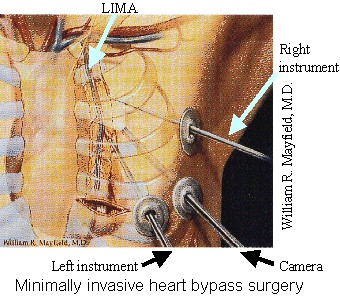
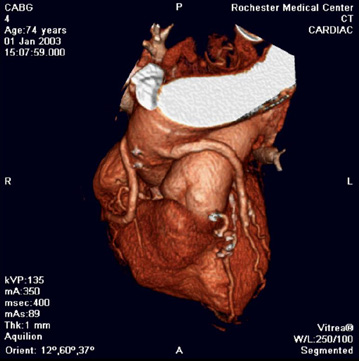
Coronary Artery Bypass Graft Photo Album


Do you think if invasive cardiologists showed these picture to their patients BEFORE surgery, that 660,000 Americans would allow surgeons to split their chests open?


Do you think if you were coerced and scared into a triple or quadruple bypass by your invasive cardiologist and then you found out that 75% to 85% of patients who get a second opinion don't get the surgery, would you be pissed?


Do you seriously believe a Coronary Artery Bypass Graft should be the first treatment for angina?

Make an Invasive Cardiologist's Day


E-mail this page to him!

Stents: A Reflection

Or What Happens When Doctors Focus Too Much on 'Modern' and Not Enough on 'Medicine'

OPINION By NORTIN HADLER, M.D.

Dec. 12, 2006 — - From time to time, every one of us gets a bee in our bonnet.

We have an idea that is so appealing, we can't let it go. It doesn't matter if others are less certain or even call the idea superstitious or unreasonable. But that belief feels so comfortable and so plausible that we defend it vigorously.

That sort of stubborn behavior is human nature. Physicians are human -- and, admittedly, stubborn.

Sometimes our beliefs turn out to be correct, to be prescient. Sometimes they don't.

Not long ago, tonsils were removed because they were swollen and uteruses because they were lumpy. Those surgeries turned out to be not so necessary and not so helpful. We got it wrong with stents, too. Let me tell you how.

Fifty years ago, heart attacks were a scourge. Everyone knew a working-age man who had dropped dead from one. Medicine seemed stymied. It was then that doctors learned what we all know now: The large arteries that feed the heart muscle, the coronary arteries, are clogged by a fatty buildup called atherosclerotic plaque in nearly every heart-attack patient.

Doctors thought cardiac surgery had made great strides in fixing leaky heart valves, so why not fix clogged arteries?

But removing the clog was too difficult, so pioneering surgeons developed ways to create blood vessels that actually went around -- or bypassed -- the obstructing plaques. Thus was born coronary-artery-bypass-graft surgery, or CABG. Experts firmly believed that if the blockage was bypassed, the patient was saved. There were skeptics. Skeptics breed controversy, and controversy sparks progress. Because to prove an idea wrong, skeptics must find a way to challenge and improve that idea.

Thanks to the skeptics, thousands of men with heart pain were soon enrolled in trials in the United States and Europe that compared CABG surgery with medical treatment -- such as drugs and a doctor's lifestyle advice. These studies continued for more than a decade, until around 1980. The results weren't very encouraging for those who believed in heart surgery. With the exception of a small group, the patients who underwent CABG did not live any longer than those treated medically.

Even worse, a lot of the CABG patients died before they could leave the hospital, about half had a stormy recovery, and nearly that many experienced memory loss that lasted a year after surgery.

But it's not easy to give up a belief. Besides, about 3 percent of all patients who have a particular kind of artery blockage, have been helped.

See, said the believers, there is some truth to our belief that plaques were the evil and CABG was the answer.

Doctors thought that as surgical skills got better, CABG surgery would start saving more patients. Instead, progress was slow and uncertain. But doctors didn't think surgery was the wrong idea -- they didn't question their own basic belief. Instead, doctors thought the grafts just didn't last long enough.

That's when another idea came along from Switzerland. Rather than bypass the blockage, just put a balloon into the middle of it and blow the balloon up, thereby smashing the plaque and opening up the vessel. The technique is called angioplasty. It is less invasive than CABG but no more effective. Doctors quickly realized that after angioplasty -- just like after CABG -- the vessel rapidly clogged up again, like a pipe clog that wasn't really fixed.

Maybe that's why angioplasty wasn't as helpful as many believed it should be. Enter stents. Stents are wire tubes inserted into the artery after the plaque is smashed by an angioplasty balloon. Then the artery can't clog again, doctors believed, because the wire stent would prop the artery open.

Wrong. These plain stents clogged at least as quickly as the artery would have clogged without them. Besides, the patients did no better than if the stent had not been inserted, which was no better than if the plaque had not smashed, which is no better than if the patient had undergone CABG, which is no better than medical treatment (and medical treatment has advanced).

Undaunted and unbowed, the believers leaped at the next idea: Coat the stent with drugs that interfere with clotting, and thereby keep the vessel open. Finally, they made a difference -- for the worse. Patients were worse off for this idea. The Food and Drug Administration recently concluded that drug-coated stents may cause more harm then good.

Despite their own failures, cardiologists and cardiac surgeons still have this bee in their bonnet. They talk about new procedures, new widgets and gizmos but don't wonder whether they are chasing after the wrong idea. They manage to sting over a million American hearts each year with the bee in their bonnet. But maybe gee-whiz gizmos aren't the answer.

You have two options: Avoid the sting of experimental surgeries, or survive it. I prefer the former. If I have heart pain, I'd want a doctor's advice and watchful eye, along with aspirin and a few other drugs. No, I'm not willing to go quietly into the great unknown. But I'm at least as likely to do well with some medications as with letting someone do violence to the plaque in my coronary arteries.

And I am likely to do well. Heart attacks are no longer the scourge they were 50 years ago. My chance of having my first heart attack is 30 percent less than was my father's at my age. And the chance of surviving five years after my first heart attack is 96 percent; his was 50 percent. And I can raise it to 98 percent with a touch of aspirin.

We don't know why heart attacks are no longer so common or so evil. But gizmos, gadgets and drugs deserve little, if any, credit.

I'll take my chances, thank you.

Dr. Nortin M. Hadler is a professor of medicine and microbiology/immunology at the University of North Carolina at Chapel Hill, and attending rheumatologist at the University of North Carolina Hospitals in Chapel Hill, N.C.

Tuesday, December 12, 2006

What the Invasive Cardiologists Don't Want You to Know

A Harvard group of cardiologists published two studies in JAMA showing that when patients are sent for bypass surgery or angioplasty, 75-80%% were judged not to require the procedure upon referral for second opinion.

Then, in the journal Circulation, there was no difference in survival between patients
randomized to have either bypass surgery or conservative medical treatment.

Even worse, the Lancet showed that when patients were randomized to have either angioplasty or conservative medical treatment, the angioplasty group actually had more heart attacks and deaths (6.3%%) than the medical group (3.3%%).

Therefore, the published data show that these invasive and expensive procedures
are 75-80%% unjustified and do not improve survival overall.

Heart Frauds

When it comes to heart surgeries, Heart Frauds author Dr. Charles T. McGee writes, "As Harvard professor Braunwald predicted, a financial empire has developed around surgical procedures on the heart. With so many powerful vested interests involved, it will be difficult to change how American doctors treat patients with coronary artery disease. No one who is currently gaining from the system has any incentive to try to stop the unnecessary costs and suffering." In other words, surgery makes money and surgery is what medical professionals are trained to do, so rather than exert the time and energy to try more conservative treatments that could threaten their very careers, medical professionals often turn to surgery as their most immediate and financially logical avenue. "The economic incentive for a physician to operate on you is great. Surgeries make doctors a lot of money. Doctors are human beings and they are not immune to the lure of bigger profits," according to Prescription Medicines, Side Effects and Natural Alternatives by American Medical Publishing.

Dr. McGee's bookk is available from Amazon and you may read another review below and order the book at the same time!

Monday, December 11, 2006

The Heart Attack Grill

Nurse Stacie and the quadruple bypass burger


There is a restaurant in Tempe, Arizona called The Heart Attack Grill. It serves a deluxe hamburg sandwich called the Bypass Burger, I kid you not. You can order anything from a single bypass burger up to the huge quadruple bypass burger. The waitresses wear skimpy sexy "nurse" uniforms and the cooks wear scrub suits and doctor's coats.

I know that this is kind of sickening to patients who have had or are facing a bypass, but one must wonder, Is the Heart Attack Grill owned by a group of interventionalist cardiologists and do they give their patients who eat there a discount?

Check it out for yourself at: www.heartattackgrill.com.

Friday, December 08, 2006

Do You Want to Make A Difference?

Many of Dr. Wayne's patients or their spouses or children
have contacted me by e-mail to related their personal
stories about this fantastic physician. I would really like
to post them on this blog, with your permission. If you know
any other patients, send this blog address to them so they
also can contribute. We need to let the world know there IS
an alternative to cutting and invasive diagnostic tests.

HELP PEOPLE TAKE CHARGE OF THEIR HEALTH ISSUES AND
MEDICAL CARE LIKE WE DID.

Jeff Brailey
wordworks2001@yahoo.com

LATEST MORBIDITY
AND
MORTALITY STATISTICS
ON BYPASS SURGERY
AND
ANGIOPLASTY

Excerpts from Living Longer With Heart Disease:
The Noninvasive Approach That Will Save Your Life

This is Dr. Wayne's newest book, out in 2006. It can be purchased by going to
http://www.heartprotect.com


With the exception of the first report in the next paragraph, the following series of reports are presented in chronological order. A common method of describing results is either mortality or freedom from a cardiovascular event such as death, heart attack, stroke or repeat bypass surgery or angioplasty. Mortality figures are presented in a variety of formats such as 3, 5, and 10 year mortality, and so are cardiovascular events. I have modified these figures so that they are on a yearly basis to make comparison easier. The first report (reference 17) is presented out of order because it not only shows the most recent statistics, but it also reflects outcomes in one of the largest group of patients to date.

From a multicenter study (17) from several major medical centers, using New York State's registry for patients undergoing coronary artery bypass surgery or coronary angioplasty, the mortality rate was tabulated for each procedure. I have listed separately the mortality rate on an annual basis for patients with disease involving two coronary arteries, and for patients with disease of all three coronary arteries. Keep in mind that the annual mortality for patients with two and three vessel disease who are treated conservatively with appropriate medication is less than 1% per year.

In 17, 857 patients with disease of all three coronary arteries who underwent coronary artery bypass surgery, the annual mortality rate was 3.3 %. In 1,294 patients with three vessel disease who underwent coronary angioplasty the annual mortality rate was 4.2 %.

In 9,212 patients with two vessel disease undergoing coronary artery bypass surgery, the annual mortality rate was 2.7 %. In 7,405 patients with two vessel disease undergoing coronary angioplasty the annual mortality rate was 2.3 %.

For mortality related to age, see the National Medicare Experience below.

Dr. Salem Yusuf reviewed the medical literature from 1972 to 1984 and compared the mortality of medical and surgical treatment. (18) There were four studies involving a total of 416 patients. At 10 years the mortality of the surgically treated patients was 33% or 3.3% per year. The mortality of the medically treated patients at 10 years was 34% or 3.4% per year. It is to be noted that this reflects the medical treatment primarily of the Seventies.

Dr. Spencer King of Emory University compared 194 bypass surgery patients with 198 angioplasty patients. The annual mortality for the bypass surgery patients was 2.1% per year and that for the angioplasty patients 2.4% per year. (19)

In a study of mortality rates in different age groups in Medicare patients undergoing either bypass surgery or angioplasty, Dr. Eric Peterson and his associates at Duke University Medical Center found the following. (20)

THE NATIONAL MEDICARE EXPERIENCE


Mortality After Angioplasty
225,915 patients


Mortality After Bypass Surgery
357,885 patients

Ages

30 Day

1 Year


30 Day

1 Year


%

%


%

%


65-69

2.1

5.2


4.3

8.0

70-74

3.0

7.3


5.7

10.9

75-79

4.6

10.9


7.4

14.2

>80

7.8

17.3


10.6

19.5

Obviously, mortality rate is related to age. Unfortunately, rarely are these figures quoted to elderly patients when they are urged to undergo these procedures.

In a study of 591 patients from nine medical centers in North America, the in-hospital complication rate was Death 1.5%, Heart Attack 4.2%, Emergency Bypass 3.2% and Total Complications 15.4%. (21) This does not include complication rates after discharge from the hospital.

From the University of Washington in Seattle comes a study of the 15 year survival rate of the Coronary Artery Surgery Study of 6,018 men and 1,095 women who originally underwent treatment between 1974 and 1979. For medical treatment the 15 year survival rate for men was 50% and 49% for women. For those with initial surgical treatment the survival for men was 52% and 48% for women. Thus, there was no significant difference in survival between the two treatments with the annual mortality being 3.3%.

Another interesting study was the CAVEAT Trial (Coronary Angioplasty Versus Excisional Atherectomy Trial).(23) Atherectomy refers to the use of a rotor rooter type of device that is inserted into a coronary artery and the arteriosclerotic plaque is cut up and scooped out. In this study only the frequency of a myocardial infarction (heart attack) was studied in 500 patients undergoing angioplasty and 512 having atherectomy. The incidence of myocardial infarction in the atherectomy patients was 15.2% and it was 6.8 % in the angioplasty patients. The high incidence of heart attacks with both groups was because cardiac enzymes were measured rather than merely getting an electrocardiogram after the procedure. Thus, the reported incidence of myocardial infarction after these procedures is artificially low because insensitive methods of detection are being used.

Another report dealing with mortality rate in elderly patients undergoing cardiac surgery is from Cedars-Sinai Medical Center in Los Angeles. (24) In a study of 528 patients over 80, the 30 day mortality was 8.3%. At one year it was 18% and at 5 years 38%. These figures are very similar to the Duke study.

From the St. Louis University Health Sciences Center (25) a review of 250 patients undergoing coronary artery bypass surgery found that the annual mortality for patients between 60 and 79 was about 7% per year and for patients above the age of 80 it was 13% per year.

From the National Registry of Myocardial Infarction in 3,648 patients undergoing angioplasty who had this procedure done initially as the primary treatment, the in-hospital mortality for patients who were treated under one hour was 6.9%, from 1-2 hours 5.7%, from 2-3 hours 9.1%, and after three hours 9.4%. (26) These are not small numbers. In my experience the mortality rate of a heart attack patient after he or she reaches the hospital is excellent. There is a better than 95% chance of recovery, even better if the patient gets to the hospital early. Thus, the mortality rate for patients treated with angioplasty in this study is twice as great as with conservative medical treatment. A recent Veterans Administration Study showed similar findings in a group of 500 patients with an acute heart attack. There were 21 patients who died in the surgery or angioplasty treated group at nine days, but only six patients who died in the medically treated group in this time period.

Looking at mortality figures alone doesn't tell the complete story. Perhaps a better way to evaluate the outcome of these procedures is to combine all cardiovascular events including death on an annual basis. It is known, for example, the after angioplasty, the coronary artery that was dilated will usually become narrowed again and may close off. The frequency with which this happens is about 50%. How often this will result in repeat symptoms is not precisely known. The following reports describes recurrences of cardiovascular events including death, heart attack, unstable angina, repeat angioplasty and coronary artery bypass surgery.

From the Massachusetts General Hospital in a trial of 127 patients undergoing angioplasty or coronary artery bypass surgery, the annual cardiovascular event rate was 7.7% per year for the surgery patients and 17.7% per year for angioplasty patients. (27)

From the Thorax Center at Erasmus University in Rotterdam, a 10 year study of 856 patients undergoing angioplasty revealed an annual mortality rate of 2.2% and an annual cardiovascular event rate of 8.6%. (28)

In the BARI trial (Bypass Angioplasty Revascularization Investigation), 1,829 patients were followed for 5.4 years. (29) Annual mortality was 2.1% per year for bypass surgery and 2.7% per year for angioplasty. Event rate was 4% per year for surgery and 4.3% per year for angioplasty.

In a 10 year study from St. Antonius Hospital in the Netherlands, 351 patients who had angioplasty were followed.(30) Annual mortality was 2% per year and cardiovascular event rate 10% per year.

From the University of North Carolina at Greensboro, 633 patients who were treated with primary angioplasty for their heart attack were followed for 5.3 years. The in-hospital mortality was very high at 9% and the cardiac mortality at five years was another 9%.(31) Total mortality was twice what it should have been.

From the University of Ottawa Heart Institute in Ontario, Canada, a 25 year study of 1,388 patients who underwent bypass surgery at an average age of only 48 years reveals an annual mortality of 2%. Eighteen percent had to undergo repeat surgery during this period. (32)

From the Veterans Affairs Medical Center and the University of Colorado Health Sciences Center in Denver comes a study of 131 patients above the age of 70 with unstable angina who underwent coronary angioplasty for their symptoms. The mortality at 30 days was a striking 13%. (33)

In a comparison of medical treatment versus angioplasty for patients with stable coronary artery disease, 20 centers from the United Kingdom and Ireland treated 1,018 patients. The risk of death or a heart attack was 2.3% per year for angioplasty treated patients but only 1.2% per year for medically treated patients. (34)

In a recent Veterans Administration study known as the VANQWISH trial 920 patients from 15 medical centers with an acute heart attack were randomized to treatment with revascularization (angioplasty or coronary artery bypass surgery) or conservative medical treatment. At the time of discharge from the hospital, 21 patients who had undergone revascularization had died versus only six medically treated patients. At 2.5 years there were 80 deaths in the aggressively treated group versus only 59 deaths in the conservatively treated patients.

There are only a few reports dealing with the use of stents placed within a coronary artery. A stent is a metal tube that can be expanded when placed within a coronary artery. When fully expanded it becomes a scaffolding that helps to keep the artery from closing. Typically, when an artery is dilated with balloon angioplasty, a delayed complication is collapse of the walls of the blood vessel causing the artery to become blocked. Stents were developed to prevent this from happening. This it does, however, although the vessel walls stay apart, the inside of the stent becomes filled with tissue that grows into the stent. Thus, stents often become occluded and the vessel still closes off.

From Harvard University comes a report on 175 patients who had stents inserted. Annual mortality was 2.7% and annual cardiovascular event rate was 10%. (35)

From the Cardiovascular Division of the University of Pennsylvania the three year outcome of 65 patient who underwent stenting was studied. Mortality was 4% per year and cardiovascular event rate was 14.7% per year. (36)

From the University of Giessen in Germany comes a detailed analysis of 300 patients who underwent primary angioplasty for an acute myocardial infarction.(37) Their findings are described in the following table.


1 Month

6 Months

1 Year

2 Years

3 Years

All Cardiac Events

13%

22%

34%

42%

51%

Cardiac Mortality

4%

5%

6%

7%

9%

Total Mortality

5%

6%

9%

10%

13%

Repeat Angioplasty


20%

23%

25%

31%