HOW RUSH REALLY FEELS ABOUT SANDRA FLUKE

Showing posts with label heart surgeon. Show all posts

Thursday, April 19, 2012

Still Ticking

I know its been two years since my last post. Time flies when you are having fun. I've been taking my medication since 2004 and rarely experience angina. In the past year, my current cardiologist has tried to convince me to get the quintuple coronary artery bypass graft that I was originally told I needed back in 2004 when I took the advice of my second opinion cardiologist and began a medication protocol to control hypertension and assist my body in developing a better microcirculation and more efficient collateral vessels. It's been working.

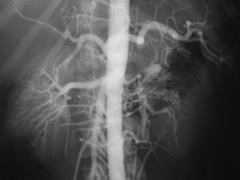
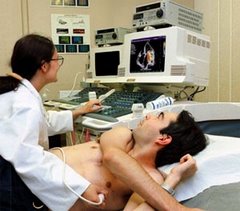
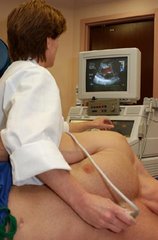
Every time I see my cardiologist, my ECG and echocardiogram have shown my heart is normal. It would not be if the collateral vessels and microcirculation were not supplying the heart with adequate oxygen. In December I relented to my cardiologist's insistence that I have an angiogram which showed the blockages to my coronary arteries were essentially the same as they were in 2004. She still wanted me to have a five vessel CABG despite having a normal heart.

I told her that if a second opinion from a noninterventional cardiologist decided I needed a CABG, I would get one. Two months ago, I went to Indiana Heart Hospital for that second opinion. The cardiologist had all of my records and gave me a pretty thorough exam. He told me if I could do seven minutes of a cardiac stress test, he would agree with me that my medication regimen is providing adequate treatment of my coronary artery disease.

My current cardiologist gave me a stress test two years ago and I only lasted a little over five minutes at that time. Now my second opinion cardiologist wanted me to do two whole minutes more. Was I up for the challenge?

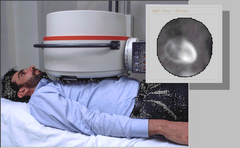
Tuesday was the big day. To make a long story short, I lasted seven minutes and 31 seconds and only experienced a slight amount of chest tightness at the end of the test that was gone within two minutes of the end of the test. The results were normal. My stress ECG showed no changes from my baseline ECG. The post stress left ventricle was normal in size. There was a normal pattern of perfusion in all myocardial regions. Resting images showed a normal perfusion pattern. Analysis of post exercise quantitative gated SPECT images showed a normal pattern of systolic thickening and normal wall motion in all regions. The post stress ejection fraction was measured at 63%, which is NORMAL.

Finally, my cardiologist's impression of the cardiac stress test: No scar. No ischemia. Normal LV systolic function. The post stress ejection fraction is 63%. NORMAL MYOCARDIAL PERFUSION STUDY.

I was told in 2004 that I would probably have a massive stroke or deadly heart attack within three months if I didn't have a quintuple coronary artery bypass graft. I opted to be treated with medication and now eight years later, I am still ticking.

Dr. Howard H. Wayne, a noninterventional cardiologist, said 95% of all CABGs are unnecessary. I hope that if you or a loved one have been told you need this very traumatic surgery, you will get a second opinion from a noninterventional cardiologist. It could save your life, or at the very least give you years of a higher quality of life than you would have if you had the surgery.

If you would like to discuss my blog or anything about the choices I have made regarding CABG surgery, email me at wordworks2001@yahoo.com.

Friday, February 12, 2010

I told him so!

Six years ago, I urged Bill Clinton to get a second opinion instead of blindly opting for a quadruple coronary artery bypass. A few months earlier, I had been told by an Indianapolis cardiologist that if I did not undergo a quintuple bypass, I would probably have a massive heart attack or stroke within a few months. I opted for treatment from Howard Wayne, MD, FACC, FACP, of San Diego. Now, six years later, I am doing great and Bill Clinton has had to have two stents placed in his coronary arteries.

Dr. Wayne is gone now, but his web site is still up and as valid as ever. Check it out: http://www.heartprotect.com/

Tuesday, September 02, 2008

Beware of Medical Terrorists

More Harm Than Good: What Your Doctor May Not Tell You About Common Treatments and Procedures More Harm Than Good: What Your Doctor May Not Tell You About Common Treatments and Procedures by Alan, M.d. Zelicoff


My review


rating: 5 of 5 stars
Four years ago, I began writing a blog (http://wordworks2001.blogspot.... to warn people about the dangers of coronary artery bypass graft (CABG) surgery. When I read this book, I didn't have to go any further than page two for validation of my blog's premise. Here is an excerpt:


"...Before the 1960s, there was little a doctor could do about coronary artery disease. Patients with angina -- chest pain from coronary blockages -- were simply put to bedrest for several weeks and given aspirin.


"It must have seemed like medicine had taken a quantum leap ahead when the cardiac bypass technique was perfected in the later part of the decade...


"...The initial successes were splashed across newspaper headlines...


"...The truth was that bypass surgery wasn't the cure-all that the medical establishment made it out to be. Simply put the procedure didn't always work well, and it sometimes resulted in a more rapid demise than if nothing had been done at all!


"...Billions of dollars were spent for a procedure that benefited only a fraction of patients who received it, while arguably harming a great number of others.


"...It would take years for the data to show that people ended up with unchanged or shorter life spans from bypass surgery."


The subtitle of this valuable book is What Your Doctor May Not Tell You About Common Treatments and Procedures. That is why I began advoctating that patients take control of their health care and insist that they coordinate and compose their medical treatment plan with their physician. In other words - Take Charge of Your Own Body!


Over the years I have begged and pleaded with people to always ALWAYS get a second opinion from a noninvasive cardiologist before being coerced into allowing a cardio-thoracic surgeon crack your chest open and perform a CABG.


The cardiologist who saved me from the surgeon's knife in 2004 started me on a medication regimen that continues to be effective and serves me well today. His name was Howard Wayne and he called cardiologists who were quick to cut "medical terrorists."


Personally, I call doctors who coerce patients and their family members into a traumatic and unneeded surgical procedure CRIMINALS, and I believe they are guilty of assault with a deadly weapon.


View all my reviews.

Wednesday, April 16, 2008

Still Kicking

Well, it's been nearly two months since my last entry. I thought I'd better create a posting so you all would know I am still alive and kicking. I am doing very well. I can't remember the last incident of angina pain so I guess the EECP keeps working well after the therapy is over.

I am in the process of preparing to relocate to Sedona, Arizona and hope to have made the move by the end of June at the latest. I will keep you posted on the reason I have moved more than halfway across the country once I get settled in. Those who know me will be in for quite a surprise, I am sure.

Also, look for a change in the subject matter of this blog come the summertime. I started it in 2004 as an effort to alert unsuspecting patients to the unscrupulous practice of putting greed before the patient's welfare. I still believe way too many CABGs are performed in the United States but my life has taken a huge turn that has prompted me to choose one cause over the other. I will still rant about cardiologists who coerce their patient's families into getting unnecessary and expensive surgery. The medical terrorists, as Dr. Howard Wayne referred to them, will get know peace from this quarter.

Take care for now and remember always get a second opinion before allowing them to cut.

Tuesday, January 01, 2008

Happy New Year

It has been more than two months since I returned from San Antonio after undergoing 35 sessions of EECP. The results of the therapy surprised even me. I can honestly say I went from having several (3-5) episodes of angina pain a day to having between 0 and 1 a week. Not only has the frequency of angina significantly diminished, the intensity and recovery time are much less.

I don't remember the last time I put a nitroglycerin tablet under my tongue. I have gone from taking 30 mg of Imdur twice daily to taking 15 mg a day now. Next week I will be seeing a new cardiologist and hope he completely weans me off of the Imdur. Of course, those of us who must take nitro and Imdur realize you cannot take drugs that treat erectile dysfunction when you are on them.

In my mind, I have proven that EECP is an excellent and more than adequate substitute for coronary artery bypass graft (CABG). I hope anyone being coerced by their cardiologists to get a bypass will do what i did in 2004 -- get a second opinion from a noninvasive/noninterventional cardiologist. By doing so, I have dodged the cardio-thoracic surgeons sharp scapel four nearly four years

Sunday, July 29, 2007

EDTA vs EECP

On another forum that I spend a lot of time on, Cannuck had a comment about EDTA:

Originally Posted by Cannuck
Chelation has been used for many decades for a variety of reasons. My wife's Aunt was treated with EDTA for the aftereffects of the concentration camps, as were German citizens from the Ruhr Valley for heavy metal poisoning. I personally know seniors who have done so here for various cardiovascular conditions (most with significant success), and can tell you that the results are VERY short in coming.
I wanted to clarify a comment I previously made regarding EDTA and explain my reason for using EECP as my next step in treating my angina. Here was my reply:

When I said EDTA (Chelation therapy) either oral or IV is controversial, that doesn't mean I disapprove of it. Quite the contrary, I feel it is a choice of treatments that has been effective in treating CAD and some other coronary diseases and despite the fact it hasn't been approved by the FDA for use in such diseases, should be available to patients making informed choices. The reason I am opting for EECP is because I have studied its effects, side effects and contraindications and have talked with patients who have received it. Unlike bypass surgery "victims" and angioplasty (balloon & stent) recipients, none of them had negative reports of their experiences.

Further, angiogenesis and the development of a collateral vessel system to naturally bypass the clogged coronary arteries is a process the body already has started on its own, without the introduction of any drug. Like it or not EDTA is a drug and therefore could have side effects or be harmful. There are reports of unexpected deaths during or following chelation therapy. I have found none associated with EECP. That is not to say EECP recipients haven't died as a result of therapy, there simply are no reports where the therapy caused the deaths, that I have found.

I realize EDTA is a natural enzyme and as such can be sold as a nutritional supplement and I am not opposed to nutritional supplements as long as they are used wisely and in some form of a therapeutic regimen. I personally take the following supplements daily in the strengths and doses indicated:

Organic Flaxseed Oil 1200 mg, three times a day
Borago Seed Oil 1200 mg, three times a day
Omega 3 Fish Oil 1200 mg, three times a day
d-Alpha Tocopheryl (Vitamin E) 400 IU, one time a day
Glucosamine 750 mg Chondroitin 600 mg, twice a day
Folic Acid 800 mcg, one time a day
B-100 Ultra B-Complex, one time a day (Puritan's Pride Brand)
l-Arginine 500mg, one time a day
Super C Complex 1000 mg, three times a day (Puritan's Pride Brand)
Acetyl L-Carnitine 400 mg with Alpha Lipoic Acid 200 mg, one time a day
Natural Selenium 50 mcg, four times a day
Co-Enzyme Q10 100 mg, one time a day
Magnesium Oxide 400 mg, one time daily
Multiple Vitamin, one time daily

I always try to take my supplements with food and I am on a schedule that has me taking something, prescribed medications and supplements every six hours.

Just for the information to folks with CAD and angina, my medical treatment regimen is aimed at not only controlling my blood pressure, but keeping it as low as possible without adverse side effects. I try to keep mine around 90/50 when I am at rest. It usually ranges between 80/40 to 100/50. When my BP is a normal 120/70 or more, during stress or increased physical activity, I often experience symptoms of angina. Here are the prescribed drugs I am on daily

Aspirin 325 mg in the morning
Fosinopril
Metopropolol Tartrate
Isosorbide Mn
Nitroglycerine (as needed)

No dosages are provided because you need to consult a physician before starting this protocol. Suffice it to say, some of the dosages are higher than usually recommended. The Isosorbide and Nitroglycerine were recently added to my regimen and Modiuretic was discontinued due to an abnormal increase in blood tests that indicated my liver was being adversely affected. I also take prescription medication for Parkinson's disease.

I cannot emphasize enough the need to be under the care of a medical doctor who you trust and have a good working relationship with. I encourage anyone who has CAD or angina or has a loved one who does to read my blog from beginning to end and to get a second opinion from a non-invasive cardiologist before being coerced into bypass surgery they do not need.

Thursday, July 19, 2007

Choose Your Doctor Carefully

A legal dispute involving a 69-year-old Miami heart surgeon has revealed that he has has been suspended from the staff at Cedars Medical Center while the hospital investigates 24 of his cases, which include ''numerous patient deaths,'' court filings show.

Other documents say the surgeon, Alex Zakharia, suffers from memory lapses that have been worsening, and he's been charged in a criminal case with fraud and perjury for allegedly exaggerating his surgical experience.

Zakharia's lawyers insist he has done nothing wrong, and the doctor has challenged his suspension. He continues to work in at least four South Florida hospitals. One week last month, he performed 21 procedures, according to court documents.

Doctors' problems are usually closely held secrets in the healthcare industry and can persist for years before becoming public with any disciplinary action.

But in this case, Zakharia's difficulties have been disclosed by the doctor's own lawyers in documents filed in Detroit and Miami-Dade County courts.

Zakharia refused to discuss any specifics and threatened to sue anyone who wrote about his situation.

In court papers, the surgeon and his lawyers have said there are no problems. The memory lapses don't affect his work, Zakharia told his doctors. He has pleaded not guilty to the fraud charges, and he has sued Cedars to be put back on staff. The lawsuit says hospital executives suspended him ``abruptly without . . . sufficient inquiry to confirm the credibility of the allegations.''

The four hospitals where he works are Mount Sinai Medical Center in Miami Beach, Select Specialty Hospital in Miami, North Shore Medical Center in North Miami-Dade and Larkin Community Hospital. Officials for Sinai, North Shore and Larkin said they didn't have any information about performance issues involving Zakharia. Select did not respond to phone calls.

According to his résumé, Zakharia received his medical degree from the American University in Beirut in 1962, followed by surgical residencies at Baylor, Case Western, the Mayo Clinic and the University of Miami. He has practiced in Miami since 1982.

START OF TROUBLES

Zakharia's present troubles stem from a 2003 case in which he testified for a man who sued the Veteran's Administration for malpractice. In November 2006, the U.S. Attorney's Office in Detroit indicted him on charges of fraud and false declaration concerning his surgical experience.

According to the indictment, he stated in a deposition that he had wide experience in coronary artery bypass graft surgeries, but records at Cedars and Miami Heart Institute didn't back up the testimony. Zakharia told The Miami Herald at the time that the lawyers had misunderstood him and that his background wasn't relevant to the malpractice case.

That same month, Cedars suspended his surgical privileges, saying in a letter to the surgeon that it had ''credible evidence'' that his surgical care in one case was ``below the standard of care.''

Several weeks later, another Cedars letter to the doctor said the medical executive committee recommended revoking his hospital privileges because of his ''clinical performance or competence'' in two other cases. Zakharia was offered a hearing to give his side.

Lourdes Garrido, spokeswoman for the HCA hospital chain, Cedars' owner, said the hospital couldn't comment because the matter is under litigation.

Zakharia sued Cedars in Miami-Dade Circuit Court to stop the hearing, alleging it was ''tainted'' because of the hospital's prejudice against him. The hearing, which has been frequently postponed, is now set for next month.

Cedars responded that it needed to ''protect the life and well-being of patients'' and that the hospital had summarily suspended him in November ``after several of his patients died.''

The court filing said that in December the Medical Executive Committee had received ``credible information regarding his clinical performance or competence concerning the deaths of two patients.''

Later, the Cedars staff said it would present 24 cases at his hearing. ''The additional 22 cases, which cover a period of 18 months, include numerous patient deaths,'' the court filing said.

Cedars said the surgeon's actions were motivated by ''ill will and animus,'' because Cedars had provided information to a federal grand jury that ended up indicting Zakharia for perjury.

NO COMMENT

Cedars lawyer Stephen Bronis said he couldn't comment because the case involves a ``confidential and privileged peer review.''

Zakharia said if an article were published about his situation, ''I am having the biggest lawsuit The Herald has ever seen. You have demeaned me'' by calling and asking questions of hospitals and others, he said. ``I am suing for $5 million. You tell your boss that.''

Zakharia's Detroit and Miami attorneys did not respond to five calls over a two-day period.

As the Cedars case grinds on, Zakharia's Detroit lawyer has filed motions seeking to get the federal perjury case moved to Miami because he was too ill to make the trip. In support, his lawyer submitted letters from doctors who have been treating him.

In one, Guillermo Blanco, a North Miami Beach neurologist, stated Zakharia suffered ''an episode of dizziness'' during one flight to Detroit for a hearing, and a magnetic resonance imaging test revealed ''two possible TIAs.'' A TIA is a transient ischemic attack, which the National Institute of Neurological Disorders and Stroke describes as a ``stroke that lasts only a few minutes.''

From Blanco's letter: 'Dr. Zakharia today complains of progressive difficulties with his memory. He has difficulty focusing on things and although he performs surgery without any difficulties, he has noted that he forgets names of patients and he has to ask his secretary frequently about it. Again he admitted not being as `sharp' as he use[d] to be. This has been going on for several months and probably longer than a year but has been worse lately.''

Blanco recommended Zakharia not fly ''because of a high risk of a stroke,'' and he recommended the surgeon take Aricept. The drug's website says it is the only drug approved ``for all stages of Alzheimer's disease.''

Carl Eisdorfer, director of UM's Center on Aging, said Aricept ''has really one specific use -- it's used in patients with Alzheimer's disease,'' but he couldn't say why Blanco prescribed it.

Blanco said he couldn't talk about a patient's medical problems.

ADVERSE EFFECTS

Another doctor treating Zakharia, Rafael A. Soto, said the surgeon had suffered during two Detroit flights, one of which ''caused heaviness in his speech. . . . While his condition does not prevent him from doing his normal professional duties, he is strongly advised not to fly.'' Soto did not respond to a phone call seeking comment.

Florida Board of Medicine records show no disciplinary actions against the surgeon. A spokeswoman said any existing investigations concerning Zakharia would not be public until the board ruled.

Zakharia remains busy. In one week last month, he did nine procedures at Mount Sinai, 10 at Select and one each at North Shore and at Larkin.

Cardiologist William O'Neill, executive dean for clinical affairs at the University of Miami's medical school, reviewed the list of procedures for The Miami Herald and said many were relatively simple -- inserting tubes into veins -- but three (one at Sinai and two at Select) were more complicated tracheotomies -- cutting open the throat to insert a ventilator tube.

While he doesn't have firsthand knowledge of the Zakharia case, each of the elements raises issues, O'Neill said.

``I would be very concerned to find out the reason he was suspended by another hospital. I would be incredibly concerned about the accusation of perjury, and I would be even more concerned about the memory issues.

``Before I let him continue at a hospital I was associated with, I'd want to know from the physical standpoint that he's mentally competent.''

Sidney M. Wolfe, a physician with the consumer group Public Citizen in Washington, said the Zakharia case is rare. Typically, physicians' problems are handled very quietly -- if they are handled at all.

Without the court cases, ''he presumably would be treated'' for his memory problems, Wolfe said, ``and no one would know the difference.''