HOW RUSH REALLY FEELS ABOUT SANDRA FLUKE

Friday, December 08, 2006

LATEST MORBIDITY
AND
MORTALITY STATISTICS
ON BYPASS SURGERY
AND
ANGIOPLASTY

Excerpts from Living Longer With Heart Disease:
The Noninvasive Approach That Will Save Your Life

This is Dr. Wayne's newest book, out in 2006. It can be purchased by going to
http://www.heartprotect.com


With the exception of the first report in the next paragraph, the following series of reports are presented in chronological order. A common method of describing results is either mortality or freedom from a cardiovascular event such as death, heart attack, stroke or repeat bypass surgery or angioplasty. Mortality figures are presented in a variety of formats such as 3, 5, and 10 year mortality, and so are cardiovascular events. I have modified these figures so that they are on a yearly basis to make comparison easier. The first report (reference 17) is presented out of order because it not only shows the most recent statistics, but it also reflects outcomes in one of the largest group of patients to date.

From a multicenter study (17) from several major medical centers, using New York State's registry for patients undergoing coronary artery bypass surgery or coronary angioplasty, the mortality rate was tabulated for each procedure. I have listed separately the mortality rate on an annual basis for patients with disease involving two coronary arteries, and for patients with disease of all three coronary arteries. Keep in mind that the annual mortality for patients with two and three vessel disease who are treated conservatively with appropriate medication is less than 1% per year.

In 17, 857 patients with disease of all three coronary arteries who underwent coronary artery bypass surgery, the annual mortality rate was 3.3 %. In 1,294 patients with three vessel disease who underwent coronary angioplasty the annual mortality rate was 4.2 %.

In 9,212 patients with two vessel disease undergoing coronary artery bypass surgery, the annual mortality rate was 2.7 %. In 7,405 patients with two vessel disease undergoing coronary angioplasty the annual mortality rate was 2.3 %.

For mortality related to age, see the National Medicare Experience below.

Dr. Salem Yusuf reviewed the medical literature from 1972 to 1984 and compared the mortality of medical and surgical treatment. (18) There were four studies involving a total of 416 patients. At 10 years the mortality of the surgically treated patients was 33% or 3.3% per year. The mortality of the medically treated patients at 10 years was 34% or 3.4% per year. It is to be noted that this reflects the medical treatment primarily of the Seventies.

Dr. Spencer King of Emory University compared 194 bypass surgery patients with 198 angioplasty patients. The annual mortality for the bypass surgery patients was 2.1% per year and that for the angioplasty patients 2.4% per year. (19)

In a study of mortality rates in different age groups in Medicare patients undergoing either bypass surgery or angioplasty, Dr. Eric Peterson and his associates at Duke University Medical Center found the following. (20)

THE NATIONAL MEDICARE EXPERIENCE


Mortality After Angioplasty
225,915 patients


Mortality After Bypass Surgery
357,885 patients

Ages

30 Day

1 Year


30 Day

1 Year


%

%


%

%


65-69

2.1

5.2


4.3

8.0

70-74

3.0

7.3


5.7

10.9

75-79

4.6

10.9


7.4

14.2

>80

7.8

17.3


10.6

19.5

Obviously, mortality rate is related to age. Unfortunately, rarely are these figures quoted to elderly patients when they are urged to undergo these procedures.

In a study of 591 patients from nine medical centers in North America, the in-hospital complication rate was Death 1.5%, Heart Attack 4.2%, Emergency Bypass 3.2% and Total Complications 15.4%. (21) This does not include complication rates after discharge from the hospital.

From the University of Washington in Seattle comes a study of the 15 year survival rate of the Coronary Artery Surgery Study of 6,018 men and 1,095 women who originally underwent treatment between 1974 and 1979. For medical treatment the 15 year survival rate for men was 50% and 49% for women. For those with initial surgical treatment the survival for men was 52% and 48% for women. Thus, there was no significant difference in survival between the two treatments with the annual mortality being 3.3%.

Another interesting study was the CAVEAT Trial (Coronary Angioplasty Versus Excisional Atherectomy Trial).(23) Atherectomy refers to the use of a rotor rooter type of device that is inserted into a coronary artery and the arteriosclerotic plaque is cut up and scooped out. In this study only the frequency of a myocardial infarction (heart attack) was studied in 500 patients undergoing angioplasty and 512 having atherectomy. The incidence of myocardial infarction in the atherectomy patients was 15.2% and it was 6.8 % in the angioplasty patients. The high incidence of heart attacks with both groups was because cardiac enzymes were measured rather than merely getting an electrocardiogram after the procedure. Thus, the reported incidence of myocardial infarction after these procedures is artificially low because insensitive methods of detection are being used.

Another report dealing with mortality rate in elderly patients undergoing cardiac surgery is from Cedars-Sinai Medical Center in Los Angeles. (24) In a study of 528 patients over 80, the 30 day mortality was 8.3%. At one year it was 18% and at 5 years 38%. These figures are very similar to the Duke study.

From the St. Louis University Health Sciences Center (25) a review of 250 patients undergoing coronary artery bypass surgery found that the annual mortality for patients between 60 and 79 was about 7% per year and for patients above the age of 80 it was 13% per year.

From the National Registry of Myocardial Infarction in 3,648 patients undergoing angioplasty who had this procedure done initially as the primary treatment, the in-hospital mortality for patients who were treated under one hour was 6.9%, from 1-2 hours 5.7%, from 2-3 hours 9.1%, and after three hours 9.4%. (26) These are not small numbers. In my experience the mortality rate of a heart attack patient after he or she reaches the hospital is excellent. There is a better than 95% chance of recovery, even better if the patient gets to the hospital early. Thus, the mortality rate for patients treated with angioplasty in this study is twice as great as with conservative medical treatment. A recent Veterans Administration Study showed similar findings in a group of 500 patients with an acute heart attack. There were 21 patients who died in the surgery or angioplasty treated group at nine days, but only six patients who died in the medically treated group in this time period.

Looking at mortality figures alone doesn't tell the complete story. Perhaps a better way to evaluate the outcome of these procedures is to combine all cardiovascular events including death on an annual basis. It is known, for example, the after angioplasty, the coronary artery that was dilated will usually become narrowed again and may close off. The frequency with which this happens is about 50%. How often this will result in repeat symptoms is not precisely known. The following reports describes recurrences of cardiovascular events including death, heart attack, unstable angina, repeat angioplasty and coronary artery bypass surgery.

From the Massachusetts General Hospital in a trial of 127 patients undergoing angioplasty or coronary artery bypass surgery, the annual cardiovascular event rate was 7.7% per year for the surgery patients and 17.7% per year for angioplasty patients. (27)

From the Thorax Center at Erasmus University in Rotterdam, a 10 year study of 856 patients undergoing angioplasty revealed an annual mortality rate of 2.2% and an annual cardiovascular event rate of 8.6%. (28)

In the BARI trial (Bypass Angioplasty Revascularization Investigation), 1,829 patients were followed for 5.4 years. (29) Annual mortality was 2.1% per year for bypass surgery and 2.7% per year for angioplasty. Event rate was 4% per year for surgery and 4.3% per year for angioplasty.

In a 10 year study from St. Antonius Hospital in the Netherlands, 351 patients who had angioplasty were followed.(30) Annual mortality was 2% per year and cardiovascular event rate 10% per year.

From the University of North Carolina at Greensboro, 633 patients who were treated with primary angioplasty for their heart attack were followed for 5.3 years. The in-hospital mortality was very high at 9% and the cardiac mortality at five years was another 9%.(31) Total mortality was twice what it should have been.

From the University of Ottawa Heart Institute in Ontario, Canada, a 25 year study of 1,388 patients who underwent bypass surgery at an average age of only 48 years reveals an annual mortality of 2%. Eighteen percent had to undergo repeat surgery during this period. (32)

From the Veterans Affairs Medical Center and the University of Colorado Health Sciences Center in Denver comes a study of 131 patients above the age of 70 with unstable angina who underwent coronary angioplasty for their symptoms. The mortality at 30 days was a striking 13%. (33)

In a comparison of medical treatment versus angioplasty for patients with stable coronary artery disease, 20 centers from the United Kingdom and Ireland treated 1,018 patients. The risk of death or a heart attack was 2.3% per year for angioplasty treated patients but only 1.2% per year for medically treated patients. (34)

In a recent Veterans Administration study known as the VANQWISH trial 920 patients from 15 medical centers with an acute heart attack were randomized to treatment with revascularization (angioplasty or coronary artery bypass surgery) or conservative medical treatment. At the time of discharge from the hospital, 21 patients who had undergone revascularization had died versus only six medically treated patients. At 2.5 years there were 80 deaths in the aggressively treated group versus only 59 deaths in the conservatively treated patients.

There are only a few reports dealing with the use of stents placed within a coronary artery. A stent is a metal tube that can be expanded when placed within a coronary artery. When fully expanded it becomes a scaffolding that helps to keep the artery from closing. Typically, when an artery is dilated with balloon angioplasty, a delayed complication is collapse of the walls of the blood vessel causing the artery to become blocked. Stents were developed to prevent this from happening. This it does, however, although the vessel walls stay apart, the inside of the stent becomes filled with tissue that grows into the stent. Thus, stents often become occluded and the vessel still closes off.

From Harvard University comes a report on 175 patients who had stents inserted. Annual mortality was 2.7% and annual cardiovascular event rate was 10%. (35)

From the Cardiovascular Division of the University of Pennsylvania the three year outcome of 65 patient who underwent stenting was studied. Mortality was 4% per year and cardiovascular event rate was 14.7% per year. (36)

From the University of Giessen in Germany comes a detailed analysis of 300 patients who underwent primary angioplasty for an acute myocardial infarction.(37) Their findings are described in the following table.


1 Month

6 Months

1 Year

2 Years

3 Years

All Cardiac Events

13%

22%

34%

42%

51%

Cardiac Mortality

4%

5%

6%

7%

9%

Total Mortality

5%

6%

9%

10%

13%

Repeat Angioplasty


20%

23%

25%

31%


Maria Iglesias from Mexico City, Mexico, is the wife of one of Dr. Wayne's patients. A few days ago,, she emailed me to tell me she found my blog and she has given me permission to print her letter:

Dear Jeff,

I keep reading your blog. I thank you for writing it, so people can learn the truth.

I liked very much your post from Dec. 5. I could have written that story! I want to share our story with you.

Today (Dec. 7), 3 years ago, my husband, Nicholas was told he needed to undergo CABG immediately after an angiogram showed 2 main arteries 100% blocked.

But "Your heart is in great shape!!" he was told.

We asked every Cardiologist at the hospital how his heart could be in such a good condition if the arteries were completely blocked. We never got a good answer.

Most were similar to "We don´t know, that's very uncommon".

My husband said he was going to have a second opinion.

My father is a cardiologist and he reasserted the hospital's opinion.

My husband decided he preferred to run the risk than having his chest opened.

We started a meticulous search in the Internet. We were mainly looking for alternatives like chelation therapy.

Then I ran into Dr. Wayne's website. (http://www.heartprotect.com) It was like a miracle sent by God. He was exactly what we were looking for although we didn´t know it yet. I didn´t tell my husband at first because I didn´t want him to cherish false hopes.

I printed most of the website and showed it to my father. As a retired cardiologist he was VERY interested. He told me to write to Dr. Wayne as soon as possible.

I sent several emails to Dr. Wayne, but he was having trouble with his Internet connection at the time, so I didn´t get a response.

I finally told my husband and he made a call to Dr. Wayne's office and left a message.

Gypsy (Dr. Wayne's wife and partner) answered back soon and told him strongly, "Reject the surgery. She told him that Dr. Wayne wanted him to increase the Isosorbide dose and she dscribed a little about the dangers of surgery. She gave him an appointment for last January.

Our experience with Dr. Wayne was very similar to yours. We arrived early to the appointment and waited for him in the small reception room. When we met him we thought he was at the most 70 years old.

He explained us in great detail his beliefs about angiograms, angioplasty and CABG. He also talked about angiogenesis and collateral circulation.

Then we moved to the next room and he did all his tests. He explained us everything he was doing.

He confirmed Nicholas heart was in great condition. I remember his very first words when he looked at the image in the echo machine: "Piece of cake". I know this may sound silly to most people, but for us, after being bombarded for weeks by the medical terrorists, it came as an enormous relief.

My husband also has high blood pressure. 190/120 while squeezing the instrument. He prescribed medication and told us to come back in a year.

I remember asking Dr. Howard if my husband needed to follow a special diet. His answer was "He's not sick, he's not fat, why do you want to put him on a diet?" :-)

We paid the $1600 and thanked Dr. Wayne. We also thanked God for letting us find him.

And now we are in the search of a new doctor. We are so saddened because of his death.

Besides sharing our story with you, I wanted to suggest you reading this: http://www.medicalconversation.com/showthread.php?t=84426 , though maybe you already know about it.

It´s a discussion of another Dr. Wayne's patient with a cardiologist in Atlanta.


Thanks again for your blog.

Best regards from Mexico City

Maria Iglesias

Thank you Maria. I am confident as long as we follow the medical regimen set forth by Dr. Wayne, we will be able to live to be 83 too. But we must take charge of our own health. We must not listen to the misinfomation of undertrained interventionalist cardiologists. We must seek out physicians who are believe the lives of their patients is more important than the number of zeros in the bank account, doctors who are invested in the health of people, not the wealth of their portfolio.

I urge others to join us in this campaign to make coronary artery bypasses about as common as adenoidectomies. Contact your friends and relatives who may have heart problems and be intimidated by their interventionalist cardiologist. Basically, that's about everyone over the age of 50.

I certainly urge everybody to buy Dr. Wayne's last book by going to his website. I bought two, one to loan to doctors who don't know and to patients of doctors who don't care.

Thanks for visiting my blog. We appreciaye your active support, not financial by any means. Publicity is more important than money in this battle.

Thursday, December 07, 2006

Ramblings about Dr. Wayne

I was going through some of the files on my laptop yesterday and I came across a document Dr. Howard Wayne gave me last June during my last checkup with him before his death. He was excited about his book that would becoming out with weeks. I had told the doctor that if he wanted a testimonial or anything, I'd certainly be willing to provide one. I considered Howard Wayne the most giving and caring physician I ever met, and I have worked in the medical field since 1969.

At any rate, he said, "No, but you keep writing your blog and telling people that there is an alternative to coronary artery bypass grafts."

Since I began cranking out more and more articles and commentaries on this blog, I have been receiving a lot of reactions from patients and family members of patients who were treated by Dr. Wayne. It is incredible how similar their experiences with the medical community in general and cardiologists in particular have been with mine.

I have never received information or letters about any of Dr. Waynes' failures. I have searched for evidence that he has ever been sued for malpractice. I find no negative marks against this physician and that alone is a remarkable fete for a doctor who practiced as many years as Dr. Wayne did.

In January, there will be a memorial service in San Diego for Dr. Wayne. I don't have the date, time or place, yet, but when his lovely wife sends me that information, it will be posted on this blog. If I don't have too be in West Africa working on my job that would have been impossible to do had I allowed a cardio-thoracic surgeon to perform a 5-vessel bypass on me almost three years ago, I will be there with you all.
==========================================================
Do You Want to Make A Difference?

Many of Dr. Wayne's patients or their spouses or children
have contacted me by e-mail to related their personal
stories about this fantastic physician. I would really like
to post them on this blog, with your permission. If you know
any other patients, send this blog address to them so they
also can contribute. We need to let the world know there IS
an alternative to cutting and invasive diagnostic tests.

HELP PEOPLE TAKE CHARGE OF THEIR HEALTH ISSUES AND
MEDICAL CARE LIKE WE DID.

Jeff Brailey
wordworks2001@yahoo.com

++++++++++++++++++++++++++++++++++++++++++++++++++++

Wednesday, December 06, 2006

Do No Harm

The oath all doctors take ends in the admonition "...do no harm." Yet interventionalist cardiologists, some well meaning and some just plain greedy, have been breaking that oath on a regular basis.

There are new stents out on the market and they have renewed an old controversey: should the cardiologist take drastic heroic-like measures to ttreat patients with invasive techniniques like angiograms, angioplasty, stents and coronary artery bypass surgery, or should they take a more conservative, less physically traumatic approach.

According to a story in today's Washington Post, there is accumulating evidence that new drug impregnated stents cause blood clots that can reblock the arteries. The Food and Drug Administration is holding an urgent two-day meeting of a panel of outside experts tomorrow to assess the devices, known as drug-eluting stents, including whether their risks outweigh their benefits.

"This is a public health issue of great importance," the FDA's Daniel Schultz said yesterday. "Our goal is to provide the American public with a coherent, understandable explanation of the risks and benefits associated with these products."

The situation, which has triggered an intense, sometimes bitter debate among cardiologists, illustrates the potential dangers of assuming that new technologies are necessarily superior and of adopting them widely before long-term studies are done, experts said.

"Everybody wants to be perceived as doing the most modern thing for their patients and fear being labeled someone who is old-fashioned and not using the latest and greatest thing," said Spencer King of the American College of Cardiology.

The issue also has major financial implications, with worldwide sales of drug-eluting stents now estimated at about $6 billion annually. Boston Scientific Corp. and Johnson & Johnson, which make the two drug-eluting stents sold in the United States, defend the safety of the devices.

The coronary artery bypass graft was in use well before Cleveland Clinic did any studies regarding its safety and efficacy and now noninvasive cardiologists are beginning to agree it is overprescribed. Now if we can only get the surgeons and hospitals weaned off of the big bucks they earn performing CABGs.

Interventionalists vs. Noninvasives

Here are some comments received about my last diatribe against CABG surgery. They come from an article I posted on http://www.bloggernews.net . I will update comments from this post using the title: Interventionalists vs. Noninvasives

Comment from Nancy Reyes
Time: December 5, 2006, 8:10 pm

SHHH…we docs know about angiogenesis. And if we could be sure that it would happen in our patients, we could spare the bypass surgery.

You see, I’ve been in medicine before they did bypasses, and you know what? Some people with stable angina lived for years, although many were misearable. Some got better. The only “treatment” was diet and exercize and nitroglycerin back then.

Similarly, we knew that a vegetarian low cal diet combined with a gradual increased exercize program would result in improvement almost as much as surgery. We’ve known that since 1970 (maybe before, but I graduated 1971).

Alas, it doesn’t work in the real world. You try telling grandma she needs to stop eating cannoli.

When they did a comparison study of diet/exercize/medicine vs bypass in the VA, they found the first group ended up having more heart attacks or having so many symptoms the guys insisted on the bypass.

You see, in the real world our patients don’t eat correctly, don’t exercize, and want a quick fix.

Now we have a third choice, stents, but they work better for one or two blockages, not someone with arteries that are full of junk.(i.e. diffuse arteriosclerotic placques).

Now, if these new stem cell injections work, maybe we can stop doing bypasses. Then I’ll agree with you.
In the meanwhile, continue what you’re doing. I love it when patients actually take care of their own health.

Comment from wordworks2001
Time: December 6, 2006, 1:38 am

Dr. Reyes, I don’t know if you are a cardiologist, but as a physician, you should know that the American Heart Association and the American College of Cardiologists, in their own standards, state CABGs should not be performed as the treatment of choice for CAD, except on the occassion of three specific locations of blockages, that are fairly rare, or when certain compromises of heart function have occurred. Yet for many America cardiologists, it is the treatment of choice.

My heart was healthy, according to the interventionalist. It was receiving oxygen. It was not eschemeic. Why then did he think a CABG would cure my angina? Didn’t he know about angiogenesis and collateral vessels? Why couldn’t he answer my questions about that then?

Don’t answer. Obviously he was more interested in the fee for the CABG he was going to assist on two days later than treating me appropriately with medication.

What did my noninvasive cardiologist do? He didn’t put me on a special diet. He took me off the Lipitor the interventionalist started and told me to never take it again. In fact, he told me to forget about cholesterol all together. He said he hadn’t had his cholesterol levels checked since he was in medical school and he attended long before you did.

One question doctor, If I was a walking time bomb in the spring of 2004 and I am still walking around the end of 2006, am I a dud of a walking time bomb or is my interventionalist cardiologist a dud?

Comment from wordworks2001
Time: December 6, 2006, 1:51 am

Oh, and Dr. Reyes,

Regarding the VA study you cited. How do you like this one?

Twenty-two Year Follow-up in the VA Cooperative Study of Coronary artery bypass surgery for Stable Angina. Peduzzi, P, Kamina A, Detrie, K, American Journal of Cardiology. 1998; 81; 1393-1399.

Between 1972 and 1974 354 patients with symptomatic coronary artery disease were assigned to conservative medical treatment and 332 with similar symptomatic coronary artery disease were assigned to surgical revascularization. The overall 22 year cumulative survival rate for the medically treated group was 25% while it was 20% in the surgically treated group. The probability of being free of heart attack was significantly higher in the medically treated group (57% vs. 41%). The authors conclude that the trial “provides strong evidence” that initial bypass surgery does not improve survival or reduce the overall risk of a future heart attack. On the contrary, invasively treated patients were much more likely to suffer a heart attack or die compared to patients who are not treated surgically.

Tuesday, December 05, 2006

I Don't Know What More I Can Do.

It's really difficult to get this message to people who already have had a coronary artery bypass. They are convinced their cardiologist is a saint and if it were not for him, they would have been dead a long time ago. Right, and the tooth fairy takes dentures. I am tired of pussy footing around the subject. If you did not get a second opinion from a noninvasive cardiologist when your interventional cardiologist told you you would have a heart attack or die if you didn't immediately have a bypass, you are a fool.

I started this blog nearly three years ago, after being told by a cardiologist, cardio-thoracic surgeon, and my own primary care physician, that I needed to have a quintuple coronary artery bypass within a day or I could be dead or have a heart attack. "Your heart is great," I was told, "but your coronary arteries are bad, very bad. You are a walking time bomb."

I thought that assessment rather strange. I had been walking this earth for the previous six months with frequent symptoms of angina that occurred each time I engaged in physically stressful activities. When I would rest, they would go away, troubling occurences I realized were cardiac in nature, but not so much that I worried about them.

"But doctor, if I have two coronary arteries that are 100% blocked and three that are 85% or more blocked, why is it my heart is in such great shape? Isn't it the job of the coronary arteries to keep my heart working by bringing oxygen? My heart must be getting oxygen from somewhere, right?" I asked.

Not one of these paragons of American medicine was able to answer my questions, or perhaps, they were able to, but unwilling. As I learned later, that was probably the case. I told my family doctor and the two consultants I hardly knew, no thank you, I do not want my chest cracked open this week, nor do I want to be on an operating table next week. In fact, so adverse am I to scapels, I think I'll get a second opinion. Despite their strong protestations, that's exactly what I did.

I found Dr. Howard Wayne on the Internet. He ran the NonInvasive Heart Clinic of San Diego
and he personally answered my email within a few hours and by that evening we were talking on the phone. He told me not to let anyone cut on me and we set up an appointment for the folling month in his San Diego office. The visit cost me $1600 out of pocket expense that my insurance would not cover. Far less costly than the quintuple bypass Indiana doctors wanted me to receive.

When I arrived at Dr. Wayne's office, I found a man who looked 15 years younger than his 81 years. In fact, it was only after his death while on vacation at Lake Tahoe this last October 23, that I learned Dr. Wayne's true age. He ran his clinic without a receptionist or nurse. But he did have medical equipment that must have cost a fortune. He didn't have a medical technician to do the tests, Dr. Wayne was a one man show.

After around two and a half hours of poking and prodding my chest with doppler devices and microphone looking gizmos, and listening very carefully to many areas of my heart through earphones, he announced, "Yeah, your coronary arteries are pretty useless. But that's not causing your angina."

"It's not?" I replied, surprised. "Nope. You've got high blood pressure," he said confidently without having yet measured my blood pressure.

"I've never had high blood pressure doctor," I politely responded. "It's always 120/70 or thereabouts."

"You don't know it, but every time you get angina pain, it is caused by hypertension," he said flatly.

Then he had me lay on the examining table and he put a blood pressure cuff on my left arm. He carefully put the stethescope bell on my arm and gently pumped the cuff up. He released the air slowly and then announced, "120/70."

"See, I told you," I said, a bit too smugly. "Now take this instrument and hold it in your right hand and squeeze it as hard as you can while holding your right arm up in the air. I took the grip-measuring device and did as I was told. A minute into the exercise, he took my blood pressure. It was 230/130. I was dumbfounded. He was right.

Dr. Wayne started me on a medication regimen and the angina went away. I won't get into what the drugs are, they are found in other threads on this blogsite. I will tell you why Dr. Wayne wasn't worried about my coronary artery disease.

Males, over 50, have a remarkable ability to generate new blood vessels whenever the ones they were born with are compromised by injury, or in my case, by the normal aging process. Yes, coronary artery disease is not really a disease. Often bypasses damage the new vessels a body is creating, doing more damage in the long run.

Let's look at what the American Heart Association says about angiogenesis, the creation of new blood vessels:

Angiogenesis is a natural process in the body that involves the growth of new blood vessels. It can occur during coronary artery disease, peripheral artery disease and stroke when there's insufficient blood supply and oxygen to the tissues, a condition known as ischemia. The body's first response to less blood flow to the heart is to grow tiny new "collateral" vessels to help blood flow around the blockage. For unknown reasons, the process eventually switches off. Some proteins in the body can help trigger new blood vessl growth and so increase the oxygen supply to the ischemic tissue. Such angiogenic proteins include the endothelial growth factor, vascular endothelial growth factor (VEGF) and fibroblast growth factor (FGF). Scientists are using gene therapy to copy this natural process by delivering angiogenic genes to ischemic tissue. For example, let's say the goal is to create or improve blood flow in peripheral (leg) or coronary (heart) arteries damaged by vascular disease. Then, the ability to "turn on" the angiogenesis gene could be a potentially powerful way to "grow" new blood vessels. Several scientific studies involving gene therapy trials for cardiovascular disease in humans are under way and look very promising. However, gene therapy still needs many improvements before it becomes routine treatment for cardiovascular disease in the clinic.

Yes, my body was building its own bypasses around the blocked arteries and Dr. Wayne said the medication will help nature take its course. He said within a year or so, my collateral vessels will replace the blocked arteries. Again, lets see what the American Heart Association says about collateral circulation:

What is collateral circulation?

This is a process in which small (normally closed) arteries open up and connect two larger arteries or different parts of the same artery. They can serve as alternate routes of blood supply. Everyone has collateral vessels, at least in microscopic form. These vessels normally aren't open. However, they grow and enlarge in some people with coronary heart disease or other blood vessel disease. While everyone has collateral vessels, they don't open in all people. How does collateral circulation help people with heart disease? When a collateral vessel on the heart enlarges, it lets blood flow from an open coronary artery to an adjacent one or further downstream on the same artery. In this way, collateral vessels grow and form a kind of "detour" around a blockage. This collateral circulation provides alternate routes of blood flow to the heart in cases when the heart isn't getting the blood supply it needs (myocardial ischemia) (mi"o-KAR'de-al is-KE'me-ah).

These are things your cardiologist doesn't want you to know. If you did, their scare tactics and coercion would be obvious. The Coronary Artery Bypass Graft is the most over-prescribed surgery in America and doctors should be ashamed that they violate their Hyppocratic Oaths with 95% of the CABGs they perform.

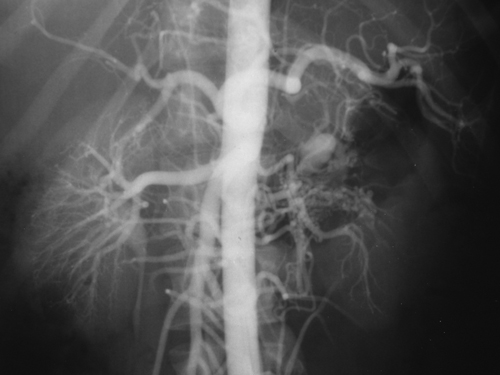
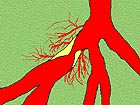
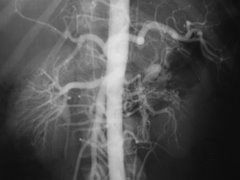
EXAMPLES OF COLLATERAL VESSELS


Monday, December 04, 2006

And the countdown continues

Well, the surgeons just couldn't let Chile's Pinnochett die a peaceful death at the age of 91. Nope, the old tyrant was going into heart failure so they simply had to strap him to an operating table and crack those ribs! I'm sure the old codger will have a much better quality of life after he recovers from his bypass.

Speaking of quality of life, my angina symptoms have pretty much disappeared and my BP is hanging in right where I want it to be, about 90/50. I can't say I am as good as new, but for a fellow who will be 59 next month and didn't allow the cutters to give him a quintuple bypass nearly three years ago to extend my life beyond the three months they said I would probably live, I feel a helluva lot better than Augusto Pinnochett.

If you are told you need a coronary bypass IMMEDIATELY or you may die or have a heart attack, tell your interventionalist cardiologist to put his pen in his pocket and throw away those permit papers with your name on them -- you are going to get a second opinion from a noninvasive cardiologist! And then get that second opinion.

Dr. Howard Wayne may be gone, but his website is still up and full of great lifesaving information. Visit it at www.heartprotect.com.

I am writing several articles a week for Blogger NewsNet. Check them out at www.bloggernews.net

Thursday, November 30, 2006

Almost December

It's been a few days since I last posted. My angina has eased quite a bit since I began taking 50mg of metapropolol halfway between my 100mg doses of metapropolol. I must admit, I am not as active as usual and that may have something to do with it. My blood pressure during the day runs about 100 to 105 systolic and 55 to 60 diastolic. My pulse is steady and in the low 60's during the day.

Nights, when I am at rest, the picture changes. The BP usually stays around 90/50, but sometimes falls as low as 86/40. My pulsed when supine is a slow 52 or so. I don't sleep very well, a combination of old age, the increased need to empty my old bladder several times a night and frequent leg cramps that happen after I've been in bed about four or five hours.

Well, I head home in three weeks and will spend Christmas & New Years in the USA before returning back to Nigeria. Before I come back, I do have an appointment with a new noninvasive cardiologist in Chicago. I hope he is half as good as Dr. Wayne was.

Sunday, November 26, 2006

Update #1

Well, last evening I went to bed fairly early. My BP was 106/51, a little higher than usual. My pulse was 61. I did take my metapropolol and monopril at bedtime. I woke at 3 AM, as usual and got dressed and went down to my office. I took my morning medication dose at around 8 AM
and half a dose (50mg) at 1:30 PM. A few instances of minor chest pain that I am reluctant to even categorize as anginal bothered me a bit throughout the day. I forgot to bring my BP cuff to work so I don't know what it's running. I'll bring it tomorrow.

Book Review

The following book review is on Amazon, where the book is also found on sale. I heartily recommend it.


Heart Frauds: Uncovering the Biggest Health Scam in History by Charles T., M.D. McGee
Edition: Paperback
Price: $16.00
Availability: In Stock


8 used & new from $13.30

2 of 2 people found the following review helpful:

Everyone over 35years old should read this book!, October 29, 2006
I graduated medical school over 10 years ago, even then, Cardiothoracic surgeons and Cardiologists have always been at the top of the hiearchy in hospitals. This is due to both money and machismo. Several facts always troubled me; everything from the patients who had heart attacks despite normal cholesterol, to the inconsistent findings seen on angiogram, to the cognitive defects seen following surgery.

Well, McGee's book cites multiple studies showing there is little correlation between cholesterol and heart disease. Before reading the book, I had only read the studies justifying the use of statin drugs. It seemed strange to me that so much pathology was tied in to a molecule which is needed by your body to make hormones and components of brain tissue.

McGee points out lack of inter and intra-rater relliability in reading angiograms, which is used as the main study to determine what type of treatment will follow, the most invasive being open heart surgery. Well, it turns out that angioplasty and/or cardiac bypass don't prolong life.

Many cardiologists that I know have become wealthy using the following algorhythm: use statins to lower cholesterol. This doesn't work to decrease heart disease, so they probably won't lose them as patients. After a heart attack or the onset of angina, do an angiogram. Well, angiograms aren't reliable, so they can read into it whatever pathology they want. Eventually, they'll do an angioplasty based on an unreliable angiogram, this won't stop angina, so they'll throw in some stents. Eventually, the cardiologist will have billed all the procedures he can. Time to send them off to the heart surgeon. They'll get a 2-5 vessel bypass costing 50-100k. By this time the patient is probably broke. Despite all the worry, pain of getting procedures, and cost, the patient will have the same lifespan as he would have had had he stayed away from cardiologists (except perhaps in the acute phase of the heart attack).

What I tell my family members is stop smoking, eat a pound of fresh vegetables a day, lean meats with lots of oily fish, exercise at least 30 minutes most days of the week, take Vitamin B-6 to lower homocysteine, and when your doctor wants to measure your cholesterol, tell them "no thanks". Short of an acute infarct, stay away from cardiologists, especially the ones who describe themselves as "interventionalists", since invariably this will lead to a series of gradually more invasive procedures.

I didn't give 5 stars due to some of the cartoons in the book. I didn't think the cartoons fit in with the same scientific tone of the text.

Saturday, November 25, 2006

Twenty Eight Months Ain't Bad

I refused to have a quintuple cornary artery bypass graft almost 29 months ago and opted to have my angina, hypertension and coronary artery disease treated medically by a noninvasive cardiologist in San Diego. For nearly 28 months I was free of all angina pain. This after being told I was a walking time bomb and would no doubt have a heart attack within three months without surgery by an interventional cardiologist in Indianapolis. Well my medication has allowed me to live well almost ten times longer than the scapel happy doc in Hoosier Land.

A month or so ago, I noticed my blood pressure was beginning to stay about ten points higher than the 90/50 my medication had been keeping it at rest. Then, I had a minor bout of angina while rushing through Charles de Gaulle Airport near Paris. It went away as quickly as it started after I sat down for a few minutes. Since then, I have increased my metapropolol slightly, taking 100mg in the morning, 50mg mid day and 100mg at night. I just started the increased dosage a couple of weeks ago and, to tell the truth, have not been as faithful in taking my medications on time as I should have been.

This morning, I took my cardiac meds at about 8:30 AM. At 1:00 PM, I climbed some stairs and began walking around the deck of the oil rig I work on. The angina started pretty soon after I began my walk and started subsiding when I returned to my office. My blood pressure cuff is in my cabin and I don't want to wake my cabin mate, so I'll forgo measuring it until this evening. Yesterday evening it read 86/51. I just took half a 100mg Metapropolol about 1:20 PM. It is now 2:00 PM and I am back to normal.

I have made an appointment to see a noninvasive cardiologist in Chicago on January 9, 2007. Until then, I'll continue to monitor my BP and titrate my medications to control any further angina attacks. I think I'll record events related to the return of my unstable angina here on the blog, so you will probably see a lot more activity here for a couple of months.

I still am sold on the idea that medication regimens should preclude angioplasty and CABG, which should be a last resort. I know I made the right decision to opt for the medical treatment instead of the surgical. If I had my chest cracked open in June 2004, I never would have been able to land this very lucrative job I have.

I am convinced I will get through this resurgence of angina and stave off the scapel for at least the forseeable future. More tomorrow.

Sunday, November 19, 2006

Angiograms - Most Useless Diagnostic Tool

The first angiogram was performed by Dr. Mason Sones at the Cleveland Clinic in 1958. It was a landmark event because for the first time, the coronary arteries could be visualized in a living patient. That meant that the diagnosis of CAD could now be made before a victim had a heart atack or died of sudden cardiac arrest. Cardiologists and radiologists could actually see that the coronary artery was narrowed or completely obstructed. Naturally it was assumed that if a coronary artery was obstructed then the blood flow to the heart muscle was reduced, the function of the heart muscle was impaired, the patient's activities were severely limited and exertion would cause chest pain. Furthermore, the greater the narrowing, the greater the reduction of blood flow tothe heart muscle and the greater the risk of heart attack. Accordingly, it was only a matter of time before a markedly narrowed vessel became cmpletely obstructed, and the patient had a heart attack and even died.

These were completely normal assumptions -- for 1958. However, as time went on and more and more patients underwent angioograms and the fidnings were correlated with the patient's symptoms, my cardiologist began to realize these assumptions were not all true. For example, one study involved a group of United States Marine runners who were selected for their endurance. These subjects all had normal stress tests and were made to undergo angiograms. One could not conduct this kind of study on civilians because there was no justification for performing such tests. To everyone's surprise, a substantial proportion of the Marines had significant coronary artery disease. In some, the disease was so severe they were made to stop running. Why did they not have symptoms?

Marathon runners are occasionally known to drop dead suddenly. It has always been assumed the stress of running was responsible. However, my cardiologist remembers a study he was doing with these recording techniqiues on a running team. He was trying to correlate cardiac function with the runners' performances. To his surprise, a number of runners had impaired cardiac function. Since this was a research study, my cardiologist was not allowed to say anything. One day, he received a call from the team's physician, who was also a runner, asking what my cardiologist had fund on a particular runner. In checking the recordings, he informed the doctor that by his assessment, the function of the heart was considerably impaired. When my cardiologist asked the doctor why he wanted to know, he replied both he and the individual in question had both run marathons the week before without any problems. Tragically, the runner had been found dead in bed a few days later and the autopsy had showed severe CAD.

Similar studies had been carried out onn apparently healthy subjects with normal EKGs, but who had abnormal stress tests. These individuals were made to undergo angiograms. A surprising number of such "healthy individuals" turned out to have severe CAD in several vessels. Yet most were extremely active, even running and playing tennis without symptoms. How could that be? Indeed, some had complete obstruction of a coronary artery, yet there was no history of heart attack and their EKGs were entirely normal.

There is a lack of correlation between angiogram findings and symptoms. Some patients have had repeat and serial angiograms done. If CAD were the cause of their symptoms, then one would expect that in patients whose symptoms had progressed, their CAD would have also progressed. But most of the time, there was no change in their disease. Conversely, it was anticipated that in patients whose symptoms had not changed, or even improved, that their coronary artery disease would have remained stable or even improved. Surprise, that, also, was not the case. Their CAD was often actually worse. Could it be there were other reasons, beside CAD, that these patients were having chest pain?

The biggest mystery to my cardiologist came from studies in which the patiengt had narrowing in two coronary arteries, one mild and one severe. These were the ones that were usually rushed into the OR because the severely narrowed coronary artery was expected to close off at any minute. Instead, these patients were followed for several years until they had a heart attack and the angiogram was repeated. Everyone had suppposed that the most severely narrowed artery would have been the one that had completely obstructed. Instead, it was found that in most cases it was the coronary artery that was only mildly narrowed that had closed off and caused the heart attack. What was going on?

So enamored were cardiologists and surgeons with the angiogram, and the money such tests brought in, that in spite of these wide gaps in what the angiogram was reported to show, there was almost no attempt to explain these discrepancies. It was frightening, because if yousubdivided groups of patients with CAD into those who had no symptoms, those that had symptoms that had been present for years but were unchanged, those with sympptoms that were getting worse, those who were about to have a heart attack, those who just had a heart attack and those who were about to die, and gave their angiograms to any cardiologist, and asked him to organize the angiograms and place each in its approrpriate group, HE WOULD NOT BE ABLE TO TELL ONE FROM THE OTHER! He couldn't even tell who was having chest pain fom the angiogram!

How then, can a cardiologist decide who needs bypass surgery and who does not, if he can't tell from the angiogram whether the patients' disease is coming or going?

The angiogram fails to provide any information about the multitude of small coronary arteries that supply blood to the heart.

The angiogram fails to provide information about the function of the heart muscle since cardiac muscle can't be imaged by x-ray.

Angiograms are one of the most useless, but profitable tools your cardiologist uses.
Reply With Quote

Friday, November 10, 2006

Dr. Wayne & Me

"Don't let them get near you with a scapel. You don't need surgery. You come see me," the forceful authoritative voice on the phone directed me. I had never met the man and had no reason to trust him. But then again, I had no good reason to trust the other physicians in my life either.

My primary care physician had sent me to a cardiologist after I presented with complaints of chest tightness and shortness of breath on exertion over the past several months. The cardiologist ran a stress test and took some pictures of my heart then said I needed an angiogram. Before becoming fully alert following the procedure, that cardiologist and a cardio-thoracic surgeon stood over my bed in the recovery suite and gave me the bad news.

I was told my heart was in great shape but the coronary arteries that supplied it with oxygen sucked. Two were 100% blocked and three others were 85% or more blocked. Under the influence of twilight sleep, administered for the cardiac catheratization done to perform the angiogram, I agreed and a surgery date of Thursday was set. This was on Tuesday.

At no time during this stressful period immediately following the angiogram did either doctor inform me of alternative and less traumatic treatments. I was not informed of the many complications, including heart attack or death, that could occur. I was led to believe that this, most common cardiac surgery, was a piece of cake. It was just a twist of fate that saved me from having my chest cracked opened and my heart stopped while five of my arteries were replaced.

On Wednesday evening, just after I started the pre-operative prep I was told to use the night before surgery, the surgeon's nurse called. It seems he was not in network with my insurance and therefore could not do my bypass. "But wait," I said, "Yesterday I was told I was a walking time bomb that could explode at any minute. I needed an immediate quintuple bypass to prevent a heart attack or worse. Now you are telling me I can't have the surgery because your doctor doesn't accepot TRICARE?"

That was about the size of it. My cardiologist would be in touch with a list of doctors in network. By Thursday, the day my surgery was to have taken place, I was much more alert than when the doctors attempted to railroad me into surgery. I asked the cardiologist how my heart could be so healthy when the arteries that feed it oxygen are so bad. He couldn't give me a good answer, so I did an Internet search for a second opinion.

Despite the urging of my primary care physician and local cardiologist to have the bypass, I decided instead to travel from Indianapolis to San Diego to find out what Dr. Wayne thought. It was probably the smartest move I have ever made. His website had come up in the Google Search I did on "noninvasive cardiology."

Eevn before I made the trip, I realized Wayne was an unusual physician. He actually and personally answered emails within a few hours time. Not only that, he personally called me on the phone to discuss my case. We set an appointment for the following week, on June 4, 2004.

I've been in medicine for going on 40 years, but Wayne's practice was like none I'd ever seen. No technician, no nurse, no receptionist, Just Dr. Wayne and a roomful of modern looking electronic equipment. Dr. Wayne did it all and provided old fashioned, personalized medical care. The entire initial visit lasted a total of about five hours with an hour break for me to eat and him to record the data he had gathered. He patiently answered all questions in an understanable manner and would not let me leave until he was satisfied I understood all of his instructions about my medications.

I learned how collateral blood vessels take over for blocked cornary arteries. I found out about angio-genesis. I found out that my severe coronary artery disease did not cause my angina. It was high blood pressure I didn't even know I had. He was the first doctor to ever measure my BP while at rest and then after a minute of squeezing a grip-measuring instrument while holding my arm in the air. It was 120/70 at rest and 180/130 after one minute of squeezing.

To make a long story short, Dr. Wayne started me on a regimen of a beta-blocker, ace inhibitor and diaretic in June of 2004. I was free of all angina until about a week ago. Since then, I have adjusted my medication dosage and have had no problem. I am seeking a noninvasive cardiologist to take care of me and I hope I can find one in Indiana.

Do You Really Need Bypass Surgery? A Second Opinion

Imagine an epidemic that causes over 300 heart attacks or deaths every single day of the year.

Each year over two million patients undergo coronary angiograms, coronary bypass surgery, angioplasty, or have stents inserted into their coronary arteries. The vast majority undergoing these intervengtions are INCORRECTLY that these procedures must be performed immediately and that, without recommended intervention, they are at great risk for a heart attack.

Rarely is the patient provided with TRUE INFORMED CONSENT about the high rate of complicvations in such surgery, including heart attack or death, or that there are OTHER OPTIONS for both diagnosis and treatment that are far safer, more effective and less costly. The expense of all this effort, as well as the number of lives lost, is staggering.

Yet, simply put, bypass surgery and the insertion of stents are OBSOLETE. Accordingly, all of these procedures are unnecessary. Worse, they are responsible for over 35,000 DEATHS, 65,000 HEART ATTACKS and a whole host of surgical complications a year.

In contrast, modern therapy with FDA approved drugs and guided by modern, noninvasive imaging technology, can transform heart problems due to coronary artery disease into a BENIGN ILLNESS with a normal life span. In short, heart attacks and premature death from coronary artery disease can be prevented in patients without surgery.

This information may seem unbelievable and startling to many of you. But it can be found, with documentaion from reputable medical authorities, in Howard Wayne's new book, DO YOU REALLY NEED BYPASS SURGERY? A Second Opinion. Dr. Howard Wayne, M.D., M.S., F.A.C.C.,F.C.C.P., and F.A.C.P., was the director of the Noninvasive Heart Center of San Diego until his untimely death on October 23, 2006. He would have been 83 years old a few weeks after his death, which occurred while on vacation with his family at Lake Tahoe.

The book documents Dr. Waynes' radical statements with over 360 references from the medical literature. It describes how this cardiologist, with a full time practice, who sent many patients for angiograms and bypass surgery in the earlier years of his career, to someone who did not send a patient for surgery during the last 11 years of his practice. His patients almost never have heart attacks and the vast majority are symptom-free.

If you or someone you love have heart disease, this is a must read. This book will save lives. It is available from this website: www.heartprotect.com

Wednesday, November 01, 2006

Howard Wayne

Dr. Howard Wayne, the noninvasive cardiologist who saved me from a quintuple coronary artery bypass graft in May of 2004, passed away suddenly last week, three days before his 83rd birthday. Dr. Wayne ran the Noninvasive Heart Center in San Diego. I spoke to his wife of 37 years just minutes ago. This is a great loss to the hundreds of patients Dr. Wayne treated. Here is his Biography from his clinic's website:

Dr. Wayne obtained a combined M.D. and Masters degree in cardiovascular physiology at the Bowman Gray School of Medicine at Wake Forest and received his training at the Cleveland Clinic. Early in his career, while on the Faculty of the United States Air Force School of Aerospace Medicine, the forerunner of the National Aeronautics and Space Administration (NASA), he was challenged by the frequent occurrence of unexplained accidents involving high performance aircraft. In addition, criteria were being defined for the selection of future astronauts. (It wouldn't due for an astronaut to have a heart attack on the moon or halfway between Earth and Mars). Because the conventional cardiac evaluation, which is still used today, was so insensitive in the detection of heart disease, the thinking at that time was that supposedly healthy pilots were having heart attacks. Consequently, one of his early interests was to discover new ways of uncovering heart disease in pilots and future astronauts. This started him on a career long quest of an early warning system so that heart disease not only could be diagnosed but treated as early as possible.

With grant support from the American Heart Association, Dr. Wayne was successful in applying new methods to study heart function and to use these procedures to uncover heart disease long before traditional examination methods. Subsequently he wrote the first textbook on noninvasive cardiology in the early seventies. During the seventies and eighties Dr. Wayne set up scientific exhibits and gave lectures throughout the United States, Europe and Asia to teach other doctors about these new methods of examination. From 1975-1979 his scientific exhibits were displayed on multiple occasions at annual meetings of the American College of Cardiology, the American Heart Association, the American College of Physicians, the American College of Chest Physicians, the American Medical Association, the European College of Cardiology and the Asian Society of Cardiology. His scientific exhibit won the American Medical Association's first prize in 1975. In the process of detecting heart disease prior to the appearance of symptoms, he was able to discover more effective ways of treating coronary heart disease with medication.

The combination of early detection and treatment has been so successful that only eleven of his patients have had to undergo coronary artery bypass surgery or angioplasty in the past 22 years. In addition, heart attacks and premature death have become exceedingly rare in the patients who remain on a tailored medical program. Dr. Wayne feels strongly that heart disease need not be the number one killer it is today. With proper and early diagnosis with modern noninvasive tests, and appropriate treatment with up-to-date drugs, it can be turned into a benign disorder compatible with a good quality of life and a normal life span. Heroic procedures such as angioplasty and bypass surgery are only rarely necessary. Doctors who quickly urge patients to have these treatments as soon as symptoms appear may be more dangerous to the patient than their disease.

Tuesday, August 08, 2006

Important Negative Impact Factor

Moderate ischemic mitral regurgitation (MR) has an important negative impact on survival and quality of life of patients with severely impaired left ventricular function, treated by coronary artery bypass grafting alone.

According to scientists from Italy, "This study analyzes retrospectively a cohort of patients with ischemic cardiomyopathy (ejection fractionless than or equal to0.30) who underwent isolated coronary artery bypass grafting to evaluate the impact of no-to-moderate MR on long-term results. From January 1988 to December 2002, 6,108 patients had isolated coronary artery bypass grafting."

M. Dimauro and colleagues, European Hospital, wrote, "Two hundred thirty-nine (3.9%) had ischemic cardiomyopathy; 60 patients had no, 102 had mild, and 77 had moderate MR. Using propensity score, a group of 70 patients with no or mild MR (group A) was case-matched with a group of 70 patients with moderate MR (group B) to obtain two groups with similar preoperative characteristics. Nine patients (6.4%) died within the first 30 days; all deaths were cardiac-related. There was no difference in the early results between groups. Patients in group B showed lower freedom from death, from cardiac death, from cardiac death and ischemic events, and from death and New York Heart Association class III and IV than patients in group A."

They continued, "Cox analysis confirmed that moderate MR was an independent variable for worse late outcome in this subgroup of patients. Functional and echocardiographic results, after a mean of 62±28 months in 87.8% of survivors, showed a significant impairment of New York Heart Association class (from 2.2±0.5 to 2.8±0.6; p<.001) and MR degree (from 2.0 to 2.7±1.0; p=.023) in patients with preoperative moderate MR."

The researchers concluded, "This study confirms that moderate ischemic MR has an important negative impact on survival and quality of life of patients with severely impaired left ventricular function, treated by coronary artery bypass grafting alone."

Dimauro and colleagues published their study in the Annals of Thoracic Surgery (Impact of no-to-moderate mitral regurgitation on late results after isolated coronary artery bypass grafting in patients with ischemic cardiomyopathy. Ann Thorac Surg, 2006;81(6):2128-2134).

Sunday, August 06, 2006

Why Chance It -- Get a Second Opinion from a Non-Invasive Cardiologist

Trauma to the aorta causes cognitive loss following coronary artery bypass surgery

Minimizing trauma to the aorta, during heart bypass surgery can significantly reduce cognitive loss that often follows the operation, a team from Wake Forest University School of Medicine reported in the Journal of Thoracic and Cardiovascular Surgery.

" A surgical strategy designed to minimize aortic manipulations can significantly reduce the incidence of cognitive deficits in coronary artery bypass graft patients compared with traditional techniques," said the team, headed by John W. Hammon Jr.

Surgical technique is the primary cause of later thinking – cognitive – problems in coronary artery bypass graft patients, concluded the research team from the School of Medicine, part of Wake Forest University Baptist Medical Center.

Since the late 1980s, the team has focused on surgical technique. In 1997, they reported reducing stroke and other acute complications following coronary artery bypass surgery from the national average of six percent of patients to less than one percent of patients at Wake Forest University Baptist Medical Center.

Difficulty in thinking is also a widespread problem following bypass surgery, reported at many institutions. Since 1992, the Wake Forest research team has been investigating these cognitive complications following bypass surgery which normally employs the heart-lung machine. They developed methods to track the causes of the complications and test techniques to reduce the complications.

They have also been developing methods for doing coronary artery bypass without using the heart-lung machine. Much of the research over the years was paid for with a major grant from the National Institutes of Health.

In the new study of 237 patients, the team compared the standard method of coronary artery bypass using the heart-lung machine with surgical techniques that minimized movement of the aorta while still using the machine. Movement was reduced by using a single clamp that exerted significantly less force on the aorta than the standard cross clamp. Surgery without the machine was also compared.

The researchers gave the patients a battery of 11 psychological tests before surgery, then at three to five days after surgery, again between three and six weeks and again at six months. The tests measured such things as fine motor function, verbal and nonverbal memory, attention and concentration.

In the week after surgery, at least 60 percent of the patients in all three groups showed neurological deficits. The number of patients with deficits declined steadily in both the group without the heart-lung machine, and the group with minimal movement of the aorta. By six months, only 32 percent of the patients who didn't use the machine and 30 percent of the patients who had minimal aortic movement had deficits, suggesting less permanent injury in both groups.

But 57 percent of the patients who had the traditional surgery still had deficits at six months, the researchers reported. Based on monitoring techniques developed over the past 10 years at Wake Forest, the team tracked particles called emboli and gaseous bubbles going to the brain during the surgery. Team members believe the emboli are the cause of the neurological deficits.

Patients on whom the heart-lung machine was not used had significantly fewer emboli than patients who had the traditional operation, but that option is generally reserved for younger patients. Among patients who had the machine, those with minimal movement of the aorta had fewer emboli than those who had the traditional operation, but the difference did not reach statistical significance.

Source: Wake Forest University Baptist Medical Center, 2006

Tuesday, August 01, 2006

Read the Red in Australian Study Report

PEOPLE on low incomes are more likely to die from heart attacks and related diseases than better-off patients, but the latter get more access to speedy treatment to unclog arteries, statistics show.

The proportion of deaths from heart and artery disease linked to poorer living standards has risen sharply since 1992, the Australian Institute of Health and Welfare has found.

An institute report released today shows that in 2002 adults from the most disadvantaged areas of the country had "significantly higher" death rates from cardiovascular disease, heart disease and stroke - 1.6 to 1.9 times higher than those from "least disadvantaged" localities.

The impact on health of low income, low education and high unemployment puts those from low socioeconomic areas at considerably increased risk of dying before more prosperous citizens.

The difference in life outcomes "translates to over 3400 deaths which may be regarded as being due to socioeconomic inequality", Lynelle Moon, of the institute's cardiovascular disease and diabetes unit, said.

Other institute findings showed that fewer than half - 44 per cent - of those getting state-of-the-art balloon treatment, or angioplasty, to unblock arteries were public patients, despite more than 55 per cent of Australians being public patients who would be more likely to require treatment than higher-income and generally healthier patients, whose health insurance enables private treatment.

Public patients are only slightly more likely to have coronary artery bypass graft surgery, the "open heart" procedure preserved for more serious conditions. The differences, indicating overservicing of private patients and underservicing of public hospital patients, raise equity issues, said Professor Garry Jennings, the director of the Baker Heart Research Institute in Melbourne.

"I think it's an issue that Australians expect to get the same level of treatment wherever they are treated. Equity is an important principle under Medicare," he said.

Angioplasty was more common for private patients with clogged arteries probably because cardiologists were more likely to recommend a low-risk procedure that could generate a fee of $5000 for them, he said.

But when a public hospital cardiologist was confronted with a patient with similar symptoms, the strain on resources made it more likely that the patient would be prescribed drugs to settle the problem "and probably get just as a good a result".

Professor Jennings said it was also likely that public patients were more likely to get open heart surgery instead of angioplasty because their problems were more serious.

Public patients from the country who may have waited longer for surgery than those in the city, and lower socioeconomic patients who were more likely to be smokers, overweight and prone to diabetes, were also more likely to require full-scale bypass surgery.